
Paul Green
Founder
Paul moved to Guanajuato in 2018 and founded My Mexico Move in 2021. He writes the guides and builds the city profiles, tools and member platform.
City profile · Yucatán Peninsula
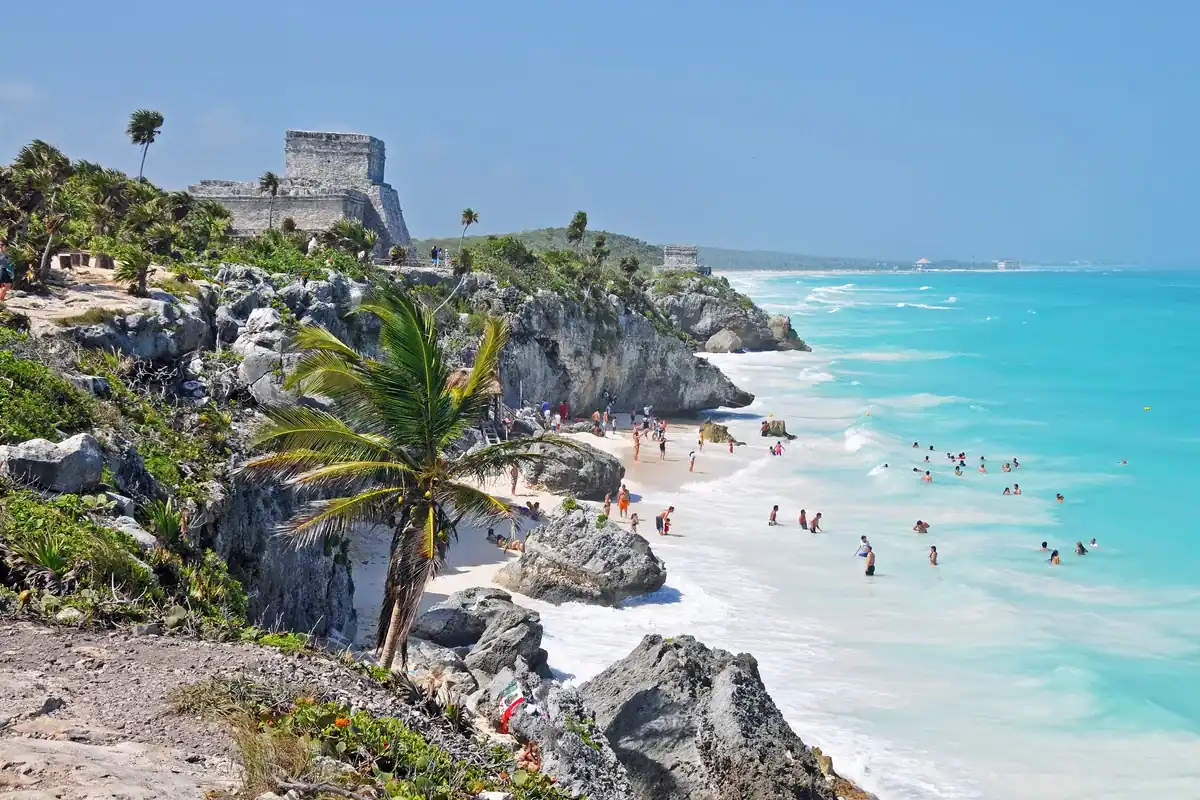
The Riviera Maya's southern anchor: a Maya city on a cliff over turquoise water, a working town on Highway 307, and a beach road of hotels between them. Ruins, cenotes and reef on the doorstep, at the coast's most premium small-town prices.
Verified November 2026
Advisory note: Quintana Roo is at Level 2 (Exercise Increased Caution) in the US State Department Mexico advisory dated 11 August 2026. Advisory levels change, so read the current advisory before you commit, and check it again before any trip. This profile is guidance and education, not legal, tax or immigration advice.
Tulum is three places wearing one name: a walled Maya city on a cliff over turquoise water, a working Mexican town on Highway 307, and a beach road of boutique hotels strung between them. The 2020 census counted 33,374 people in the town, and the floating population of visitors and seasonal workers runs well beyond that. What draws movers is the combination: a major archaeological site and national park at one end, the Sian Ka'an biosphere reserve at the other, cenotes in the jungle behind, and a famous wellness and remote-work scene. Since 2024 it also has its own international airport and two Tren Maya stations. The price of all that fame is charged daily.
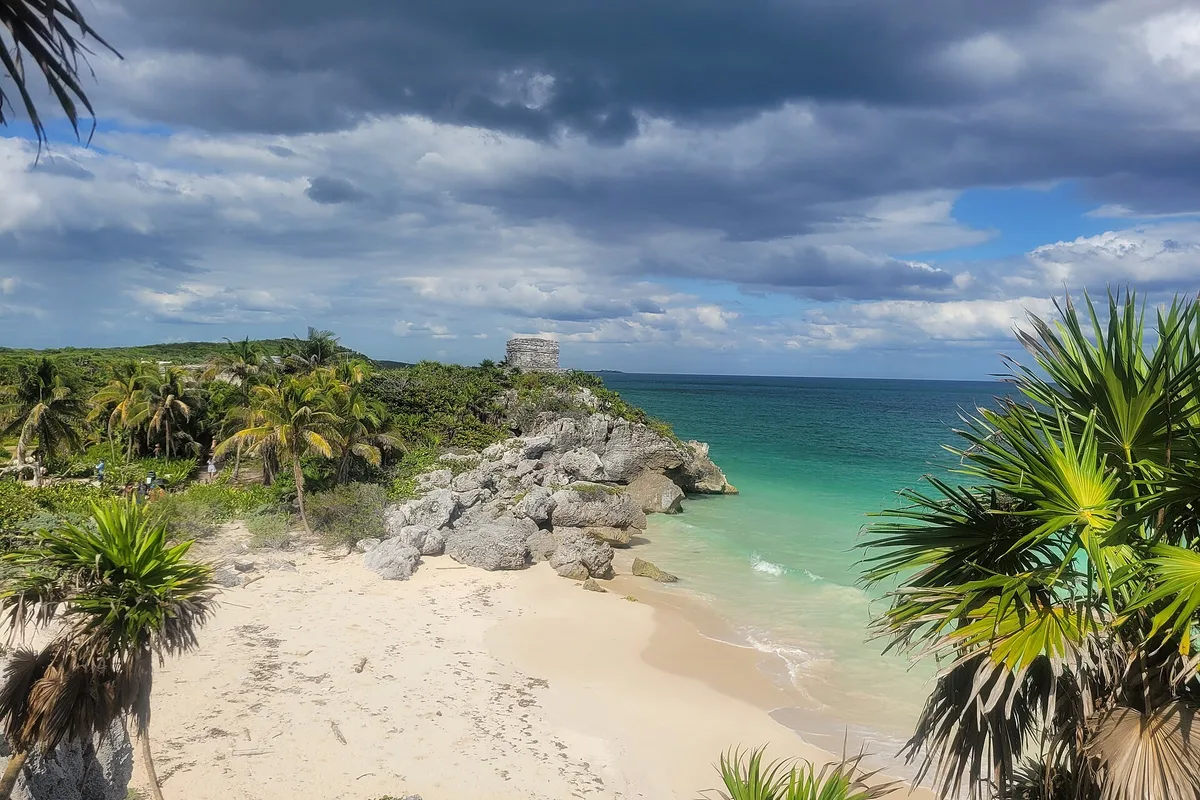
Inside the pueblo and Zamá, a bicycle is the standard vehicle, and colectivos run Highway 307 to Playa del Carmen and the ruins. Tulum's own airport, Felipe Carrillo Puerto International, opened in December 2023 about 40 kilometers southwest, with flights to the US and Mexico City; Cancún's airport remains the bigger hub, under two hours north. The Tren Maya serves the town with two stations, one for the pueblo and one at the airport, linking Tulum to Cancún and Mérida in one direction and to Bacalar and Chetumal in the other. A car earns its keep for cenotes and beaches; inside town it mostly earns parking problems.
Tulum is two places joined by a road, and the getting-around answer depends on which one you live in. Tulum Pueblo, the town center on Avenida Tulum, is flat and walkable for daily errands: supermarkets, pharmacies, taquerias and the bus station within a few blocks, with bicycles and scooters the default transport and colectivos running the main avenue. Aldea Zama and La Veleta, the newer residential districts between town and the beach, are walkable inside their own streets, about twenty minutes on foot to the edge of town, but the beach is a bike ride or a drive away, and the roads in parts of La Veleta are still dirt and flood in heavy rain. The beach zone, a separate strip several kilometers east, is a different world again: expensive, slow to drive through, and best reached by bike or scooter. A car is useful for La Veleta and essential for the beach zone, but in Pueblo it is mostly a parking problem. ADO buses run to Playa del Carmen in about 45 minutes and to Cancun in about two hours, colectivos run the highway constantly, and the Tren Maya station serves the town. Tulum International Airport (TQO), fully operational for international flights since March 2024, is about 40 kilometers southwest of town, and Aeromexico suspended its Tulum flights on 30 September 2026, so check the current routes before you count on flying from here; Cancun airport, about two hours north, remains the reliable long-haul hub.
Tulum Pueblo shops like a working town: Chedraui Selecto and the other supermarkets on the main avenue, pharmacies, fruit shops, tortillerias and the daily market stalls along Avenida Tulum. The newer districts have their own small supermarkets and organic shops at premium prices, and the beach zone has restaurants and a few shops at beach-zone prices. The weekly shop is Pueblo, and the honest rule is the same as in Playa: shop where residents shop, and leave the beach zone stores for emergencies. Eating out in Pueblo is remarkably cheap for good food, with taquerias filling at dusk, while the beach zone restaurants charge international prices for the setting. There is no big-box Costco-style run in town itself; the full bulk shop is Playa del Carmen or Cancun.
Tulum's foreign community is large for the town's size and heavily weighted toward remote workers, wellness and spiritual seekers, and seasonal residents, which gives it a different character from the retiree towns. The community concentrates in La Veleta and Aldea Zama, where the cafes double as coworking spaces, and social life runs through yoga studios, temazcal circles, beach clubs and the restaurants of Aldea Zama. English is widely spoken in the expat districts and the beach zone, but Pueblo runs in Spanish, and the residents who settle best are the ones who cross that line. The honest trade is that Tulum's scene is intense and young, and it changes fast: the town's hotel occupancy averaged 66.2 percent in the first half of 2026, down from 74.3 percent a year earlier, and the nightly rate fell 23.6 percent in the year to September 2026, so the boom that built La Veleta is cooling, and the social scene is cooling with it. A scouting stay in low season, not just in the pretty months, shows the town you would actually live in.

Rent character, from the October 2026 asking figures above: long-term rents are falling too, with gross yields around 6.0 percent in La Veleta and 5.5 percent in Aldea Zama and Centro, before the 25 percent tax a non-resident owner pays on gross rent. Landlords typically require a Mexican guarantor, a fiador, or a double deposit from a foreign tenant. Always sign a written lease and check recent electricity bills before committing, since air conditioning is the largest variable cost.
Tulum is inside the restricted zone, within 50 kilometers of the coast, so foreign buyers purchase through a fideicomiso, a bank trust, with the setup cost and annual bank fee that implies. This is guidance and education, not legal or financial advice: use a Mexican notary, verify title, and in a market with a documented history of pre-construction problems, verify that the development is finished and legally deliverable before any money moves. The market's shape, from October 2026 asking figures: the neighborhoods are moving in opposite directions. Aldea Zama is the best all-round buy at about MXN 47,300 per square meter for apartments, La Veleta is the value pick at about MXN 44,700 per square meter if the street is finished, and Centro is the pick for living in Tulum or renting to locals, with apartments averaging about MXN 3.89 million. Since April 2025, asking prices are down 3.6 percent across Tulum and 9.9 percent in Centro, flat in Aldea Zama, and up 2.6 percent in La Veleta. Supply is the main risk to resale: one portal lists 1,549 apartments in Aldea Zama and 977 in La Veleta. Airbnb will not rescue a weak buy, with the average listing earning $17,400 in the year to September 2026 at 46 percent occupancy. Rent first, verify the street and the sewers, and treat any promised yield as a claim to check, not a fact.
Tulum's hospital care centers on Hospital Costamed Tulum, the town's only private hospital: emergency care and patient stabilization, short-stay surgery, a hyperbaric chamber, laboratory and imaging, with Canadian accreditation first earned in 2018. A public hospital and a Red Cross station round out the local picture. The real depth sits up the highway: Playa del Carmen, about 45 minutes north, carries Costamed and Hospiten hospitals (our Playa del Carmen profile has the detail), and Cancún beyond them. A second private hospital, Hospital Joya Tulum, broke ground in 2026 but has no announced opening date, so it does not count as provision yet. For routine care Tulum is covered; for anything complex, plan on the drive north.
| Facility | Type | What the profile says |
|---|---|---|
| Hospital Costamed Tulum | Private hospital | Town's only private hospital; emergency care, short-stay surgery, hyperbaric chamber, laboratory and imaging; Canadian accreditation first earned in 2018 |
| Costamed, Playa del Carmen | Private hospital, Playa del Carmen | About 45 minutes north |
| Hospiten, Playa del Carmen | Private hospital, Playa del Carmen | About 45 minutes north |
Tulum's hospital in town is Costamed, the private hospital that handles emergency and routine care, with English-speaking staff used to international patients. Private clinics and consultorios in Pueblo handle everyday care, and pharmacies cover minor issues. For depth, Playa del Carmen is 45 minutes north with Hospiten Riviera Maya and full private coverage, and Cancun, about two hours north, has Galenia and Hospiten Cancun for complex cases. IMSS voluntary enrollment is the public route for residents, and the public hospital network covers the cases the private hospitals price out. Serious care, including cardiac and major trauma, means a transfer north, and that transfer time is the fact that should shape a move here for anyone with a condition that needs a specialist on call. Emergency transport runs by road to Playa or Cancun; there is no air ambulance based in town that we could verify.
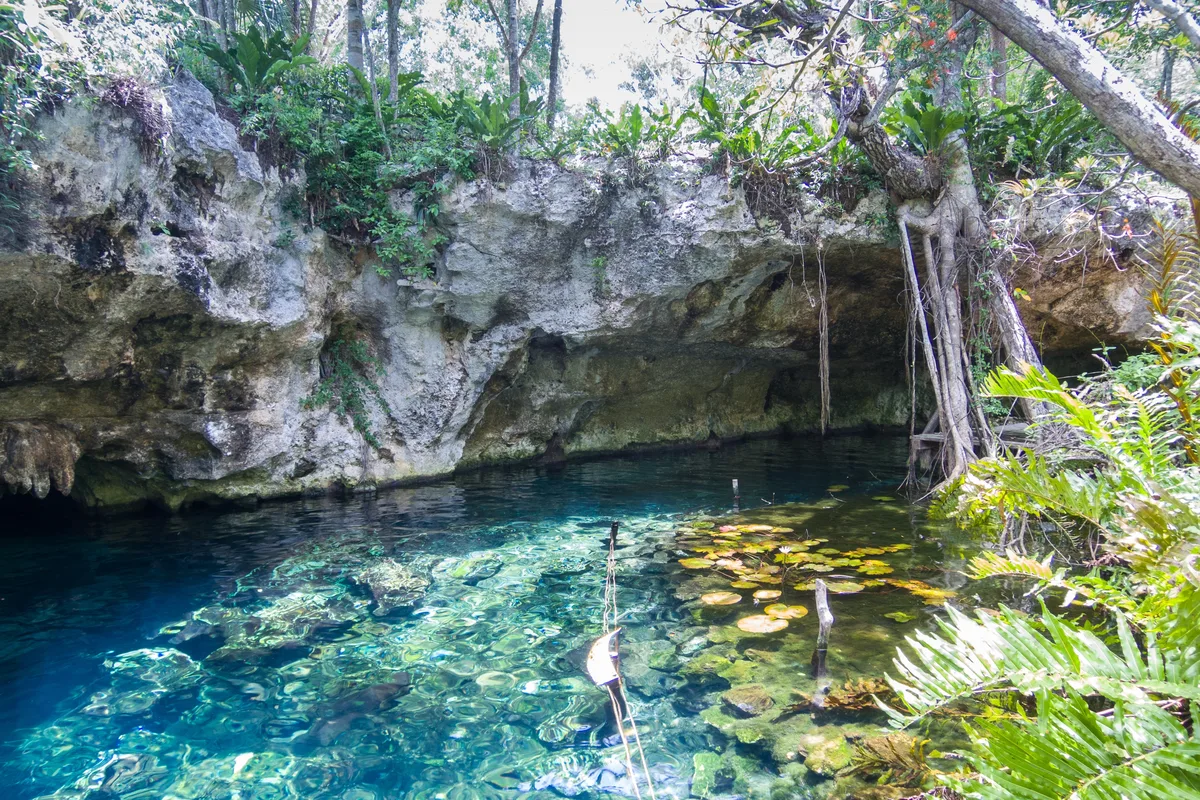
Tulum suits a retiree who wants the Caribbean, a young and international social scene, and a town that is still mainly a town, and who can pay for the newer districts. The cost math is mid-range for the coast, with a single person around $1,150 to $1,500 a month, but the beach zone and Aldea Zama push that up fast. It fits a healthy, active retiree who likes the water, the cenotes and a social life built around cafes and wellness rather than a formal retiree club. It fits less well for a retiree who needs frequent specialist care, since the serious bench is 45 minutes to two hours north, for a retiree on a tight budget, since the long-term market prices in dollars, or for a retiree who wants quiet, since Pueblo is loud and the beach zone is a different economy entirely. The cooling market is a caution, not a reason to buy: rent in La Veleta first, live the low season, and let the town prove itself.
Tulum is a remote-work town by design and increasingly by departure: the cafes of La Veleta and Aldea Zama are its offices, the internet in a good building is fast enough for video calls, and the community of other remote workers is large. What it does not offer is a local jobs market for a foreigner beyond tourism and hospitality, and local work needs the correct residency and work permissions. Coworking exists in the form of cafe culture and a few dedicated spaces rather than one established hub, so verify the actual speed and reliability in the specific apartment before signing a lease, since power, water and internet all vary by street, and some La Veleta streets still flood. The nearest university campus is UQROO in Playa del Carmen, about 60 kilometers north, so Tulum itself has no university scene to plug into. For a remote worker whose salary arrives over the internet, Tulum works; for someone looking for work on arrival, it does not.
Families come to Tulum for the outdoor life and the young international community, and Aldea Zama is the family district that most residents name first: planned streets, sidewalks, gates and a growing ring of cafes and small restaurants, with room for children to ride a bike. La Veleta suits families who trade polish for price and space. That is an honest gap, and we flag it rather than fill it. Daily family life works best with a car or a bicycle, and the cenotes, the beach and the ruins give children a childhood that is mostly outdoors. The honest trade is the town's transience and its cooling market: the community turns over, and the long-term rental market is priced for a boom that is no longer certain.
What we could not verify is a current list of bilingual or international school names in Tulum with fees, and there is no university campus in the town itself, so families should treat school choice as a research task to complete in person, with the wider choice in Playa del Carmen about 60 kilometers north.
Food in Tulum splits by district, like everything else here. Pueblo is the budget option and in many ways the most honest one: taquerias that fill at dusk, fruit shops, loncherias and a clean, cheap meal within a few blocks of Avenida Tulum. Aldea Zama has the cafes, bakeries and small restaurants that serve the residential districts, and the beach zone has the high-end restaurants that charge international prices for the setting and the table. Eating well for a few dollars is easy in Pueblo, and eating out nightly in the beach zone is a different budget entirely.
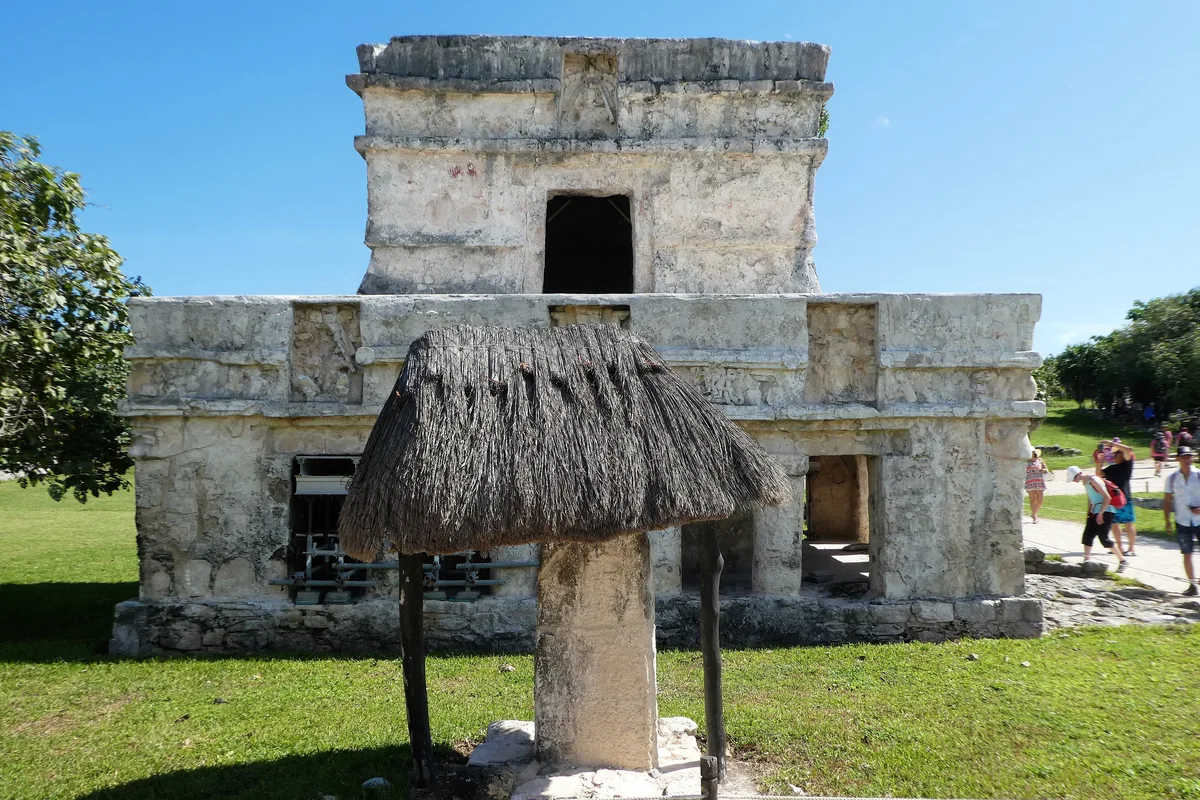
Evenings are lively in Pueblo, with bars and live music around the main avenue, and in the beach zone, where the clubs and beach restaurants run late, but Aldea Zama and La Veleta wind down early, which is why families and remote workers choose them. Nightlife is real in Tulum, but it is a young and tourist-facing scene, not a neighborhood pub culture.
Quintana Roo is at Level 2 (Exercise Increased Caution) in the US State Department Mexico advisory dated 11 August 2026, verified November 2026. The advisory notes shootings between rival gangs have injured bystanders, and advises care after dark outside well-lit pedestrian streets and tourist zones. Advisory levels change, so read the current advisory before you commit, and check it again before any trip.
Numbeo's Tulum page (18 contributors in 18 months, updated October 2026, part of the data flagged as estimated) reports one-bedroom averages of about $526 outside the center and $604 in it at the November 2026 Banxico FIX rate of about 18.6 pesos to the dollar, so the snapshot rent cell runs $525 to $605. Utilities average $103 and climb toward $198 in the air-conditioning months; broadband runs $29, mobile $16 and a gym $34. The market anchors: chicken fillets about $7.58 a kilo, eggs $1.87 a dozen, milk $1.56 a liter and an inexpensive restaurant meal about $8 in town, while the beach road charges two or three times that. Carrying the figures through a build-up, with $450 to $600 for food and leisure, a single person lands at about $1,150 to $1,500 a month. The spread is decided by address: live and eat in the pueblo and Tulum is a mid-cost base; live on the beach road and it is among the dearest small towns in Mexico. Treat the figures as a range, since the survey base is thin and pricing here moves with the season.
| Item | Figure | Basis |
|---|---|---|
| Monthly total, one person | $1,150–$1,500 | Per month |
| Rent, one-bedroom outside the center | About $526 | Per month, Numbeo |
| Rent, one-bedroom in the center | About $604 | Per month, Numbeo |
| Utilities | $103 average, toward $198 | Per month, higher in air-conditioning months |
| Broadband | $29 | Per month |
| Mobile | $16 | Per month |
| Gym | $34 | Per month |
| Food and leisure | $450–$600 | Per month |
Turn these numbers into your eight-stage plan.
Tropical, like the rest of this coast: hot and humid all year, the heaviest rain from June to October, and air conditioning a standing utility rather than a luxury. Hurricane season runs June to November, and the reference storm is Emily, which made landfall on this coast in July 2005. The warm months also bring the sargassum cycle to the beaches in amounts that vary year to year, the same caveat our Cancún profile records for this shoreline. The jungle setting is the charm and the cost: shade, birdsong and mosquitoes in roughly equal measure.
Average high and low temperature by month, with monthly rainfall. Dark bars are average highs, pale bars are average lows.
Rainfall by month, in inches.
| Month | Average high | Average low | Rainfall |
|---|---|---|---|
| Jan | 84°F (28.8°C) | 65°F (18.3°C) | 2.4 in (60.4 mm) |
| Feb | 85°F (29.6°C) | 66°F (19.1°C) | 1.6 in (41.8 mm) |
| Mar | 87°F (30.4°C) | 69°F (20.5°C) | 1.3 in (33.0 mm) |
| Apr | 87°F (30.8°C) | 71°F (21.4°C) | 1.6 in (40.3 mm) |
| May | 89°F (31.4°C) | 71°F (21.8°C) | 3.5 in (89.7 mm) |
| Jun | 88°F (31.1°C) | 73°F (22.6°C) | 5.9 in (150.5 mm) |
| Jul | 89°F (31.5°C) | 72°F (22.3°C) | 3.9 in (98.2 mm) |
| Aug | 88°F (31.3°C) | 72°F (22.4°C) | 3.6 in (91.0 mm) |
| Sep | 88°F (31.1°C) | 72°F (22.0°C) | 7.0 in (177.1 mm) |
| Oct | 87°F (30.5°C) | 70°F (21.0°C) | 8.0 in (204.2 mm) |
| Nov | 86°F (29.8°C) | 67°F (19.5°C) | 3.6 in (92.1 mm) |
| Dec | 84°F (29.1°C) | 66°F (19.1°C) | 1.7 in (42.2 mm) |
Source: Servicio Meteorológico Nacional, Tulum station 23025, 1991–2020 normals.
Quintana Roo sits at Level 2 in the US State Department's Mexico advisory, whose text notes that shootings between rival gangs have injured and killed bystanders and advises care after dark outside well-lit pedestrian streets and tourist zones. The everyday trade-offs are more mundane. Tulum grew faster than its infrastructure: power cuts, water pressure, road works and construction dust are part of the present tense, and the town's two economies, visitor and resident, sit awkwardly together. Prices are the coast's highest outside the Cancún hotel zone, and long-term rentals thin out in high season as landlords chase nightly rates. Choose Tulum for the ruins, the cenotes, the reef and the scene, and budget honestly for them. If the same coast at half the price sounds better, Bacalar, at the far end of the same state, is the comparison to make.
Disclosure Affiliate link: if you buy or book through it, we may earn a commission at no extra cost to you. The full disclosure
Stay22 searches Expedia, Booking.com and more for current Tulum stays and shows them together, with live prices. Start with the neighborhoods this profile points you to.
Tulum against the cities readers weigh it against, on the same verified dataset as this profile:
Tulum’s headline tours and tickets, bookable through GetYourGuide:
Affiliate links: if you book through GetYourGuide here, we may earn a commission at no extra cost to you. See the Affiliate Disclosure.
The one page brief carries this profile’s snapshot costs and rent, its healthcare frame and, where the profile states one, its advisory note, printed word for word.
No ratings yet. The average appears after 5 ratings, so one score cannot pose as a verdict.
Find Your City in Mexico walks the main destinations through cost, safety, climate, healthcare and community, in order.
money back guarantee
Who’s behind the site
We are Paul and Adriana, and we run My Mexico Move together: Paul from the guides and the platform side, Adriana from Guanajuato, where she leads our partnerships and the ground work behind every profile.
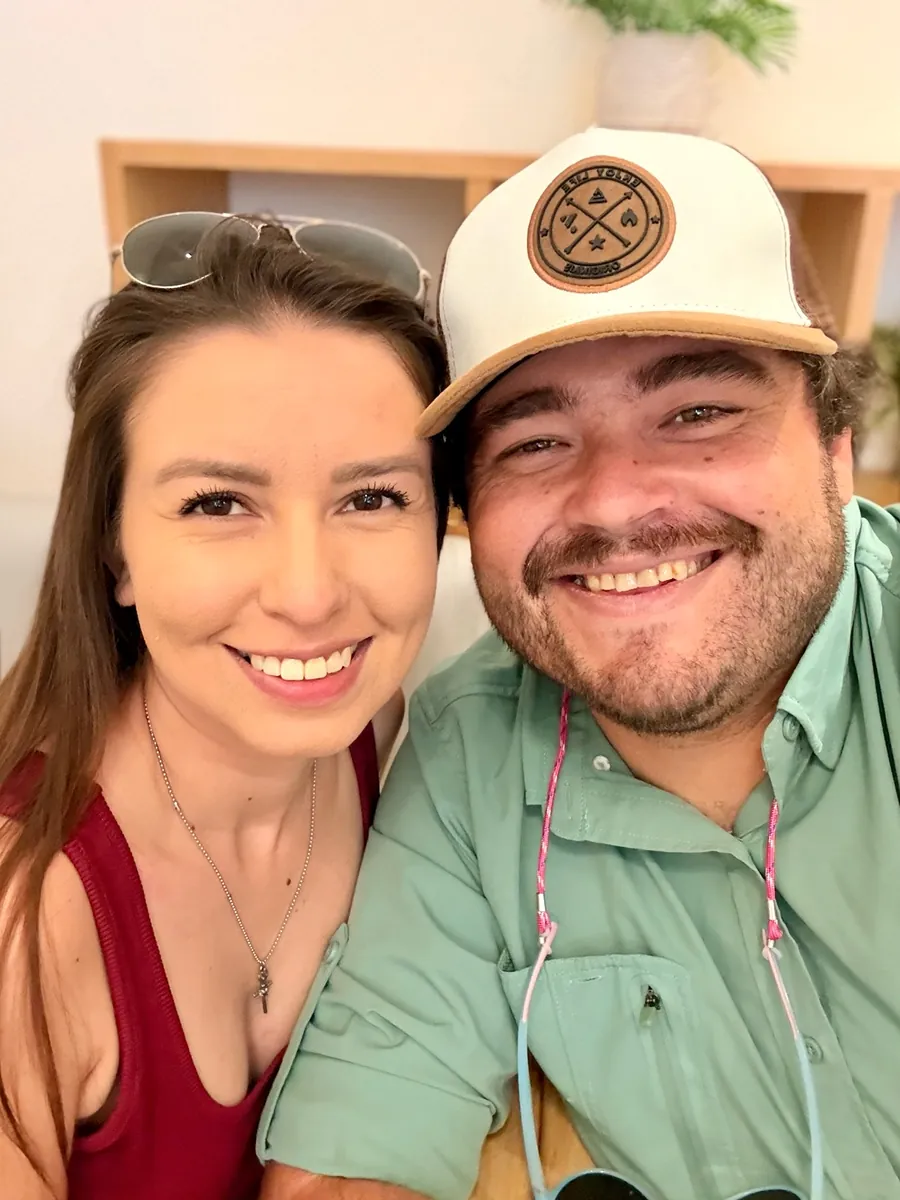
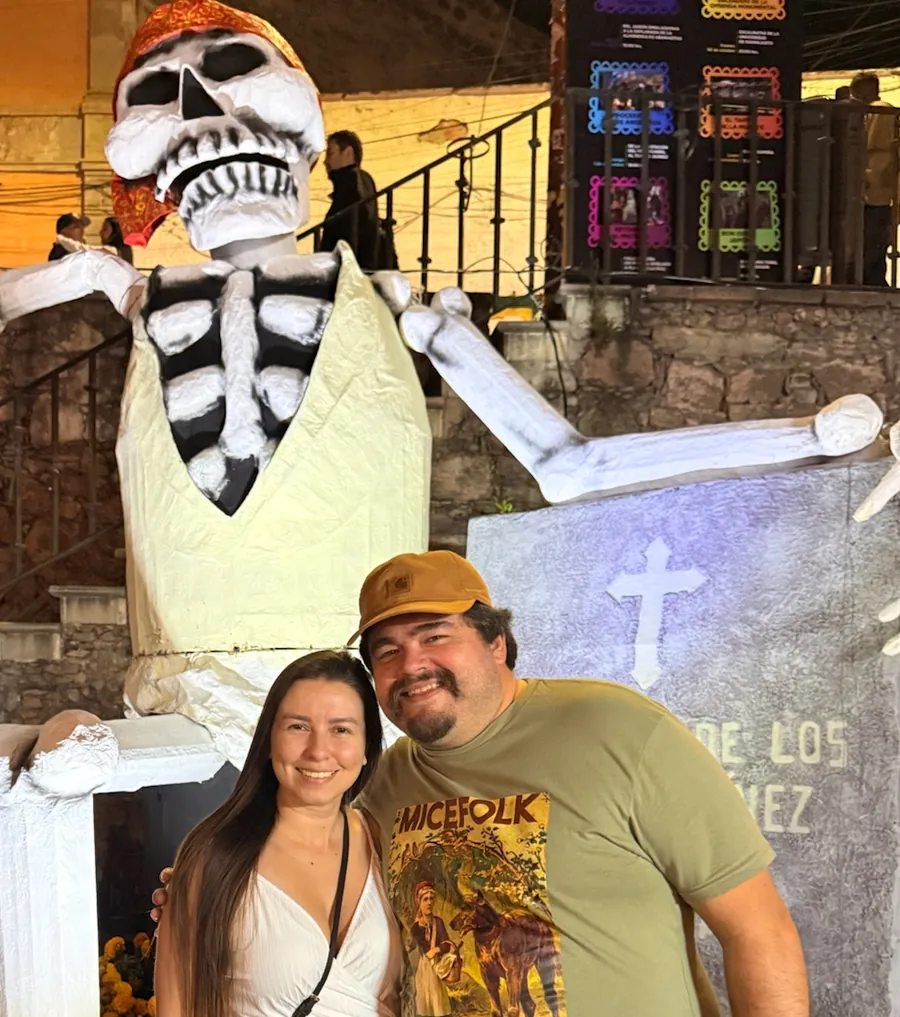
Founder
Paul moved to Guanajuato in 2018 and founded My Mexico Move in 2021. He writes the guides and builds the city profiles, tools and member platform.

Partner, Partnerships and Operations
Adriana Becerra Vaca is Paul’s partner and leads partnerships and operations at My Mexico Move. Based in Guanajuato, she builds the relationships with the Mexican businesses in our directory, reviews our Spanish-language content so it reads the way it should, and runs the Mexico ground work our guides and city profiles depend on. A broadcaster by trade, she presented on Exa FM Irapuato and has worked as a commercial voice talent since 2017. Her studio, Voice con Vida, produces the audio across our sites.
Say hello any time, or write to us through the contact page.