
Paul Green
Founder
Paul moved to Guanajuato in 2018 and founded My Mexico Move in 2021. He writes the guides and builds the city profiles, tools and member platform.
04 · Housing and Real Estate
By Paul Green
Housing in Mexico rewards one sequence above all: rent first, buy later, and only after you have lived in the city. Rent for at least six months, and preferably twelve, before you put money into a purchase, because a house does not change your immigration status. Renting has its own hurdle, the fiador, a local property owner who guarantees your rent, and the workarounds are a larger deposit, prepayment, or a legal guarantee policy. Buying has its own structure, the fideicomiso, a bank trust that lets foreigners hold property inside the restricted zone. The trap to avoid is ejido land, communal land that cannot be sold to an outsider in the normal way. This hub covers all eight pieces: the fiador, the deposit, the 12-month lease, the CURP, the restricted zone, the fideicomiso, the ejido trap, and the closing costs.
What this hub covers: Renting first, buying later: leases, deposits, neighborhoods and the checks that protect you.
Key figure: Foreigners cannot hold direct title to land within 100 km of the borders and 50 km of the coasts; inside that zone, the fideicomiso is the structure.
Newest article: Fideicomiso and Ejido: How Foreigners Buy Property in Mexico’s Restricted Zone, 7 November 2026.
For nearly everyone, rent first. A year covers the rainy season, the hot season, the noisy festival weeks, and the months when you find out you would rather live on the other side of town. A rental year is also a free inspection of the city: test the street noise at night, the water pressure, the hot water, the internet at the hours you work, and the walk to the grocery store, pharmacy, and clinic. Drive to the nearest major hospital once, and notice where the water runs during a rainstorm, since low streets can flood.
Never sign a year lease from abroad. The two-stage strategy is to book 30 to 60 days of furnished temporary housing first, then hunt your real apartment on the ground. It costs a bit more upfront and saves you from the single most common expat regret, locking into the wrong street, the wrong noise, and the wrong landlord, sight unseen. The best apartments rarely touch the internet: walk your target blocks for Se Renta signs, tell every shopkeeper and waiter you are looking, and use the formal portals and Facebook groups for calibration. Read the full search playbook in how to find an apartment in Mexico.
Typical monthly rent for a one or two bedroom apartment in a neighbourhood that suits most foreigners, from the 2026 renting vs buying guide:
| City | Typical monthly rent (USD) |
|---|---|
| Puebla, Oaxaca | $400 to $800 |
| Guanajuato, Querétaro | $450 to $900 |
| Merida, Guadalajara | $600 to $1,100 |
| Puerto Vallarta, Playa del Carmen | $900 to $1,600 |
| Mexico City, San Miguel de Allende | $1,000 to $2,000 and up |
Price the rest of the month with the cost calculator, and compare rent ranges across cities with the city comparison tool. Each city profile carries its own rent section, so check the profile for your shortlist before you commit.
Traditional Mexican leases ask for a fiador or aval, a local property owner who guarantees your rent. New arrivals do not have one, and it is the biggest hurdle in renting. The workarounds, in order of frequency: pay extra deposit, offering 2 to 3 months instead of one; prepay several months, which is powerful with private landlords and should be used judiciously; a póliza jurídica, a legal guarantee policy costing about 30 to 50 percent of one month’s rent that replaces the fiador and is increasingly standard in cities; proof of solvency, bank statements plus a residency card, which persuade many private owners; or renting from expat-experienced landlords who have already dropped the requirement. The full guide is renting an apartment in Mexico as a foreigner.
Twelve months is the standard term, renewable with typical increases of inflation plus, 5 to 10 percent. The deposit is one month, occasionally two, plus the first month up front, so budget two to three months of rent to move in. Document the apartment’s condition exhaustively with photos on day one, because deposit recovery is where landlord relationships go to die. Unfurnished often means truly unfurnished, no fridge, no stove, sometimes no light fixtures, so budget $1,000 to $2,500 to furnish modestly. Utilities are almost never included: you pay CFE electric, water, gas, and internet separately, and bills usually stay in the owner’s name. A bill in your name is the proof of address banks like best, so use your lease plus the owner’s bill, or a notarized letter from the landlord, and ask the bank what it accepts. Everything is negotiable with private landlords, especially with prepayment or a longer commitment: 10 to 15 percent off asking is routine, more on places that have sat empty. Ask for a peso-denominated lease, since a peso lease protects you from exchange rate drift and a landlord quoting in US dollars is pricing for foreigners by definition. Peso amounts in this hub use 18.62 pesos to the dollar, the mid-market rate on 11 November 2026.
Your CURP is the 18-character code printed on your resident card. INM assigns it when your card is issued, and you can download the official certificate free at gob.mx/curp. It is the key that almost every other system in Mexico uses to look you up: banks, the tax authority, the public health system, schools, utility companies, and the driver’s licence office all use it, and a wrong letter in it can stall an RFC, a bank account, or an IMSS enrollment for weeks. Download the certificate the same week you receive your card and compare every letter of your name and your birth date against your passport. The biometric CURP is a separate, free upgrade that is officially optional as of September 2026, so it is not an emergency, but an individual office can still ask for it.
For housing, the practical picture is this. Some landlords ask for your CURP alongside your passport and residency card, and it is normal paperwork when they do. If you do not have one yet because your residency is still in process, proof of solvency is what private landlords usually accept instead: bank statements plus a residency card persuade many private owners. A one-year lease often means an internet or phone contract in your name, which may ask for a CURP or an RFC, rather than a utility account in your name, since CFE, water, and gas accounts normally stay in the property owner’s name. The full guide is CURP for foreigners in Mexico in 2026, and the banking side is in how to open a bank account in Mexico as a foreigner.
Article 27 of the Mexican Constitution bars foreigners from acquiring direct title to land and water within 100 kilometres of the borders and 50 kilometres of the coasts. That strip, the zona restringida, takes in every beach market in the country. Outside the zone there is no trust and no drama: a foreigner buys in their own name, signing the standard agreement with the Secretaría de Relaciones Exteriores (SRE) to be treated as a Mexican in respect of the property and not to invoke their home government’s protection. The SRE fee for that agreement, the convenio de renuncia, is MXN 5,250 in 2026, about $282. Most of the cities usually recommended to retirees, including Guanajuato, Querétaro, San Miguel de Allende, Puebla, Oaxaca, and Mexico City, are inland and do not need a trust. Beach markets, including Puerto Vallarta, Playa del Carmen, and Mazatlan, do.
Inside the restricted zone, the Ley de Inversión Extranjera (articles 11 to 13) provides the fideicomiso, a bank trust. A Mexican bank, authorized to act as trustee, takes legal title to the property. You, the buyer, are the fideicomisario, the beneficiary, and the law gives the beneficiary the use and enjoyment of the property and its fruits and proceeds. In ordinary language: you live in it, rent it, improve it, sell your beneficiary rights, mortgage through the trust, and leave it to your heirs, and you name substitute beneficiaries in the trust itself. The trust runs for up to 50 years and is renewable on application, so a well-kept trust is not a countdown to losing the house.
The permit to constitute it comes from the SRE before closing. The SRE permit fee is fixed by the federal fee schedule: MXN 21,650 in 2026, about $1,163 at 18.62 pesos to the dollar. The bank files the request and pays a further MXN 596.29, about $32, for the study of the application. The SRE resolves applications within five working days at its central offices, or thirty at state delegations, and if it does not answer in time the permit is understood to be approved. The permit is valid for 180 calendar days, extendable once, so the closing has to happen inside that window or the permit has to be extended in time. A late extension costs MXN 10,615 in 2026, about $570. Get the permit only when the notario, the bank, and the seller are ready to close, because a permit that expires mid-negotiation buys you a second fee and a second wait.
The other costs vary by bank, state, and property value, which is why no page should print you a tidy total for a fideicomiso purchase it knows nothing about. As a planning range from the renting vs buying guide, setup runs about $2,000 to $3,000 including the federal permit and the bank’s opening fee, and the bank then charges an annual trustee fee of about $450 to $800. Before you sign the promissory contract, require the notario’s itemized written estimate of every closing cost, and take the trust fees of two banks in writing. Those two documents are your real closing figure. The full guide is fideicomiso and ejido: how foreigners buy property in Mexico’s restricted zone.
Some of the prettiest cheap land near the coasts is ejidal: social property held by an ejido under the Ley Agraria. Parcel rights in an ejido pass only among its members and recognized residents; a private contract with an ejidatario does not give an outsider title, whatever it is called at the kitchen table. Ejido land becomes ordinary private property only through dominio pleno: the ejido assembly authorizes it (Ley Agraria, articles 81 to 83), the Registro Agrario Nacional cancels the parcel’s agrarian registration and issues title, and that title is inscribed in the Registro Público de la Propiedad. Before any money moves on land with an ejido in its past, check both registers: the Registro Agrario Nacional for the parcel’s agrarian state, and the Registro Público for a private title actually inscribed. If the dominio pleno step never happened, there is nothing to buy yet. A competent notario performs a búsqueda registral, a title search, that will reveal ejido status, so never close a purchase without a notario, and never pay more than a refundable good-faith deposit before the notario has confirmed clean, private title.
Closing costs are what you pay on top of the price to complete the purchase, and in Mexico they typically land between 5 and 10 percent of the price. The lower end applies to inland purchases with simple paperwork. The higher end applies to coastal purchases through a trust, where the extra fees are added. The buyer normally pays most of them.
| Item | Typical amount | Notes |
|---|---|---|
| Acquisition tax (ISAI) | 2 to 5 percent, depending on the state | Mexico City about 4.5 percent, Jalisco and Quintana Roo about 3 percent, Yucatan about 2 percent |
| Notary fees | About 1 to 1.5 percent | The notary is a public official who prepares the deed and checks the title |
| Legal fees | About $1,500 to $3,000, or 0.5 to 1 percent | An attorney of your own is worth it |
| Registry and deed fees | About 0.1 to 1 percent | Registration can take 2 to 12 weeks after closing |
| Appraisal | About $300 to $800 | Required for the deed and for any loan |
| Fideicomiso, if in a restricted zone | About $2,000 to $3,000 to set up | Includes the federal permit and the bank’s opening fee |
A worked example helps. On a $150,000 inland purchase, ISAI at 2 to 3 percent is $3,000 to $4,500, notary fees near $1,500 to $2,250, legal fees near $2,000, and appraisal and registry costs near $1,000, for a total around $7,500 to $10,000, or 5 to 7 percent. On a coastal purchase of the same price, add roughly $2,000 to $3,000 for the trust, for a total around $10,000 to $13,000. For a $150,000 home, plan on the price, closing costs of $7,500 to $13,000, furniture and repairs of $5,000 to $15,000 for an older home, and a cash cushion of at least six months of living costs. That puts the real cash need at about $175,000 to $190,000 for a $150,000 purchase. From an accepted offer to closing typically takes 45 to 90 days, and the final registration can take 2 to 12 weeks after that. The seller normally pays the real estate agent’s commission, typically 5 to 6 percent, and any capital gains tax due on the sale.
Some Mexican banks lend to foreigners, and some work with US and Canadian buyers through cross border programs, and Mexican residency helps. Non residents are commonly asked for 35 to 50 percent down, compared with about 20 percent for residents. The average fixed rate for a Mexican mortgage was about 11.45 percent in January 2026, and some banks advertise rates starting near 8.8 percent for the best qualified borrowers. Payments assume rates of roughly 9 to 11 percent, and they are illustrations, not offers. Many expats buy with cash, or with money from selling a US home, and some use a home equity line on a US property, which makes the US home the collateral, so weigh the risk carefully.
The ongoing costs are modest by US standards but not zero. Property tax, called predial, runs roughly 0.05 to 0.3 percent of assessed value a year, which is often a few hundred dollars for a mid priced home. Condo or community fees, if any, run about $50 to $400 a month depending on amenities. A trust adds its annual fee where it applies. Maintenance is the one people forget: humidity, rainy seasons, and old buildings mean you should budget about one percent of the home’s value each year for repairs and upkeep. The yearly tax is in Mexico property tax (predial).
Buying in Mexico is safe when you use the system properly, and risky when you skip steps. Hire your own attorney, one who represents you and not the seller or the agent. Use a notario, a licensed public official, to prepare the deed. Have the attorney run a title search at the public property registry, and confirm that the seller has clear title, no liens, and current property taxes and utility bills. Check that the property description matches the cadastral record. Confirm that the land is not ejido, and that there is no encroachment on federal land such as a beach zone. Never pay a deposit to anyone except through the notario or the attorney’s escrow.
Watch for the scams that target new arrivals. Fraudsters copy legitimate listings from Inmuebles24 or Vivanuncios and re-post them at slightly below-market prices on Craigslist or Facebook Marketplace, collect deposits or first month’s rent by wire transfer, then disappear. Someone may present themselves as the landlord’s authorized agent, collect a deposit and advance rent, and disappear, when the actual landlord never authorized them: verify agent authorization directly with the property owner, and ask to see the poder notarial, the notarized power of attorney, if the actual owner is not present for signing. Pay rental deposits by SPEI bank transfer with the property address as reference, never cash, and never by Western Union, Zelle, or Venmo. See the property in person before you pay anything, and meet the owner or the agent face to face. The five checks are in Mexico property scams to avoid, and the full buying process is in what actually happens when you buy property in Mexico.
One thing buying does not do: owning property in Mexico, whether by direct title or through a bank trust, does not grant residency and does not extend your tourist stay. A property owner who arrives as a tourist still receives a stamp of up to 180 days, at the officer’s discretion, and still has to leave when it expires. Buying can help you qualify for residency through the investment route, if the property is worth enough: in 2026 the property route to residency is set at about MXN 10,758,500, or roughly $582,000, which puts it out of range for most retirees. Treat immigration as a separate track, and check the residency and visas pages for the current thresholds.
Run your own month through the cost calculator, then read the full renting guide before you sign a lease, and the renting vs buying guide before you make an offer. If you are buying in a beach market, read the fideicomiso and ejido guide first, and have a lawyer and a notary of your own before you send any deposit.
A Planning Session is $249 for 60 minutes on Google Meet, with a written Move Map within two business days. It is the fastest way to pressure test your housing plan, your city shortlist, and your residency route against your own circumstances before you commit. The My Mexico Move Plan is $299, once, for life: the eight-stage plan, every tool at full depth, the ten guides, Paul writing your plan, and one 45-minute session with Paul.
Usually one month’s deposit plus the first month up front, and some bigger cities ask for two months. If you have no local guarantor, offering two to three months of deposit is a common workaround. Get every payment receipted in writing.
Traditional leases ask for a fiador, a local property owner who guarantees your rent. If you do not have one, the usual workarounds are a larger deposit of two to three months, prepaying several months, a póliza jurídica costing about 30 to 50 percent of one month’s rent, proof of solvency with bank statements and a residency card, or renting from an expat-experienced landlord who has dropped the requirement.
It is a bank trust that lets foreigners hold property within 50 kilometres of the coast or 100 kilometres of a border. Setup runs about $2,000 to $3,000, the SRE permit fee is MXN 21,650 in 2026, and the bank charges roughly $450 to $800 a year. The trust lasts up to 50 years and is renewable.
No. Owning property does not grant residency or extend a tourist stay of up to 180 days. Buying can help qualify for residency only through the investment route, which in 2026 is about MXN 10,758,500, or roughly $582,000.
Closing costs run about 5 to 10 percent on top of the price. On a $150,000 inland purchase, expect around $7,500 to $10,000, or 5 to 7 percent; on a coastal purchase of the same price, add roughly $2,000 to $3,000 for the trust, for a total around $10,000 to $13,000.
Renting an apartment in Mexico as a foreigner, the 2026 lease and tenancy guide, verified November 2026. Renting vs buying property in Mexico in 2026, with the closing cost table and the worked $150,000 example, verified November 2026. Fideicomiso and ejido, verified November 2026 against the SRE, the Ley de Inversión Extranjera, the Ley Agraria, and Banxico, with the SRE permit fee checked against the SRE fee schedule. CURP for foreigners in Mexico in 2026, verified September 2026. Mexico property scams to avoid, with the five checks. What actually happens when you buy property in Mexico. Secretaría de Relaciones Exteriores (SRE), portales.sre.gob.mx. Registro Nacional de Poblacion (RENAPO), gob.mx/curp.
Last verified: November 2026 by Paul Green. Next review: January 2027, at the UMA reset.
Verified November 2026
Please noteThis guide is general information, not legal, tax or immigration advice. Rules change, and your case may differ. Confirm the details with a notario or an immigration lawyer before you act.
The Shelf
The Finding Your Perfect Home program works through search, lease and move-in in order.
Who’s behind the site
We are Paul and Adriana, and we run My Mexico Move together: Paul from the guides and the platform side, Adriana from Guanajuato, where she leads our partnerships and the ground work behind every profile.
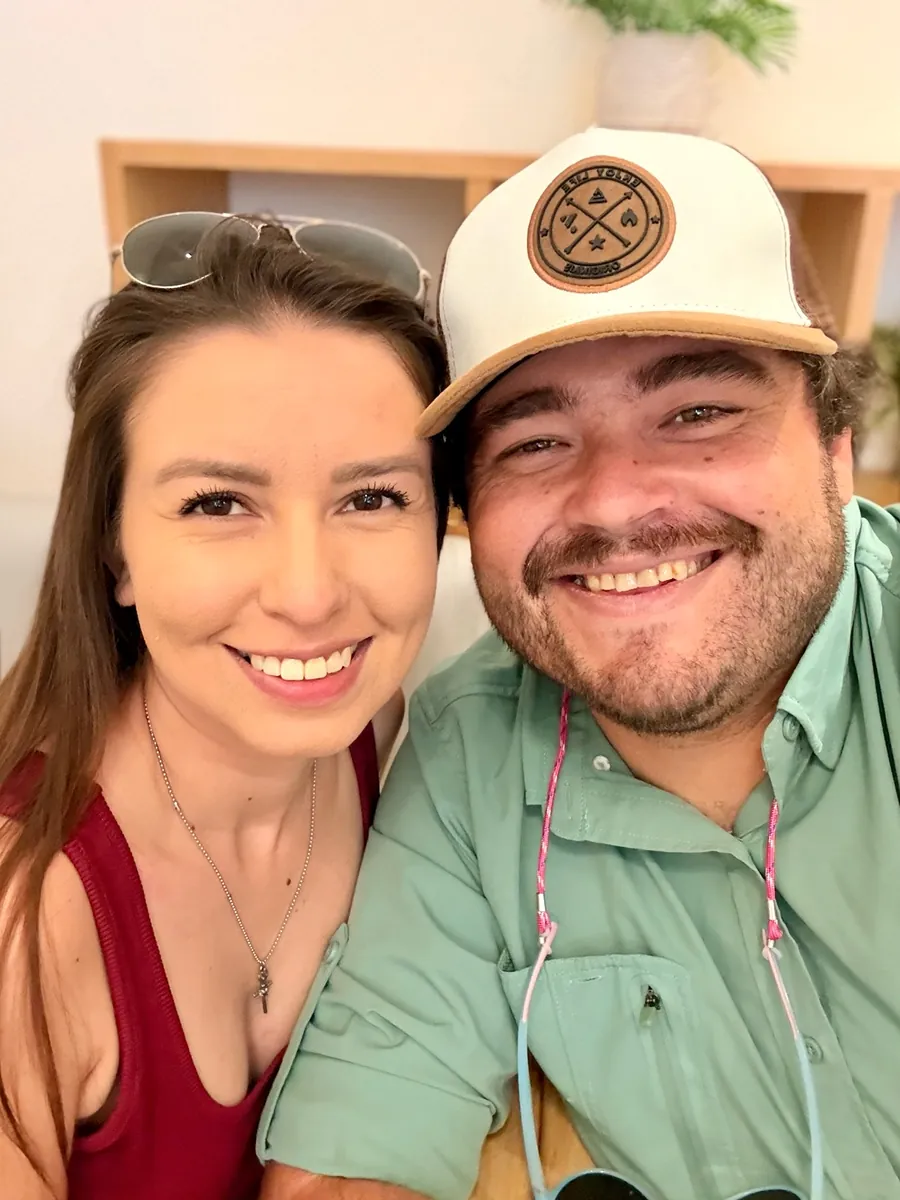
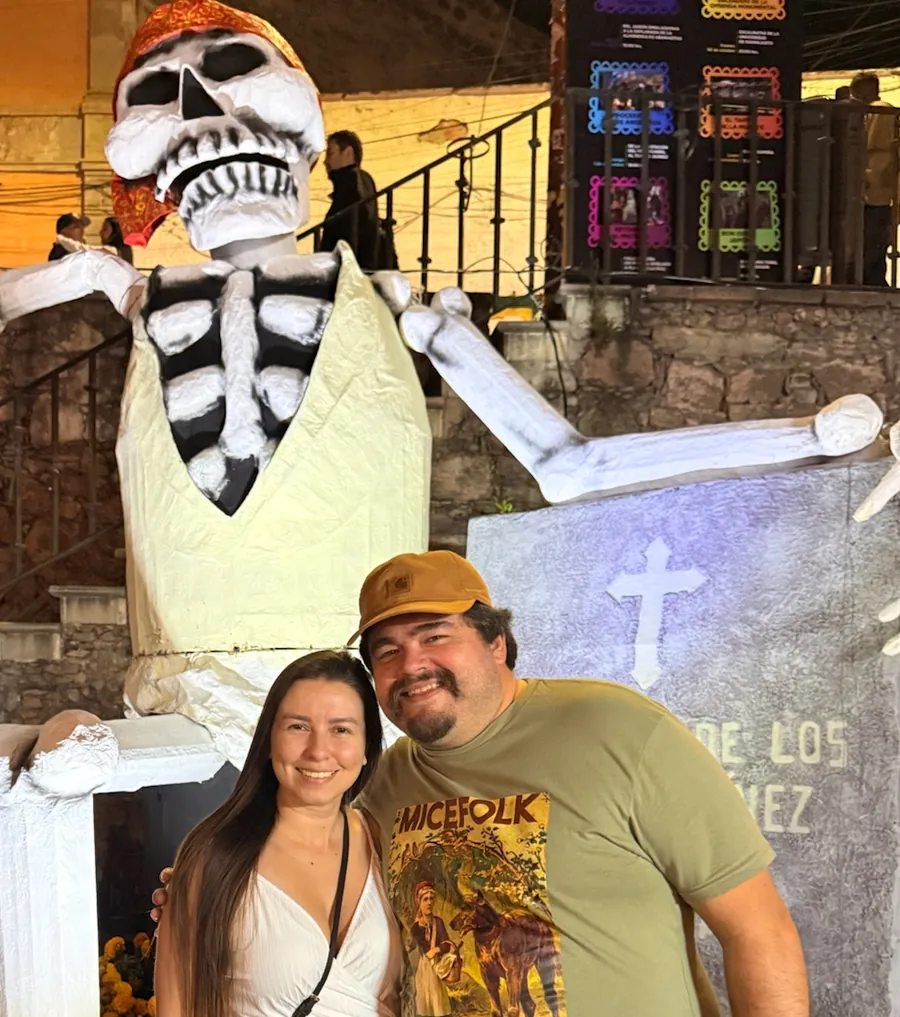
Founder
Paul moved to Guanajuato in 2018 and founded My Mexico Move in 2021. He writes the guides and builds the city profiles, tools and member platform.

Partner
Adriana Vaca is Paul’s partner and leads partnerships and operations at My Mexico Move. Based in Guanajuato, she builds the relationships with the Mexican businesses in our directory, reviews our Spanish-language content so it reads the way it should, and runs the Mexico ground work our guides and city profiles depend on. A broadcaster by trade, she presented on Exa FM Irapuato and has worked as a commercial voice talent since 2017. Her studio, Voice con Vida, produces the audio across our sites.
Say hello any time, or write to us through the contact page.