
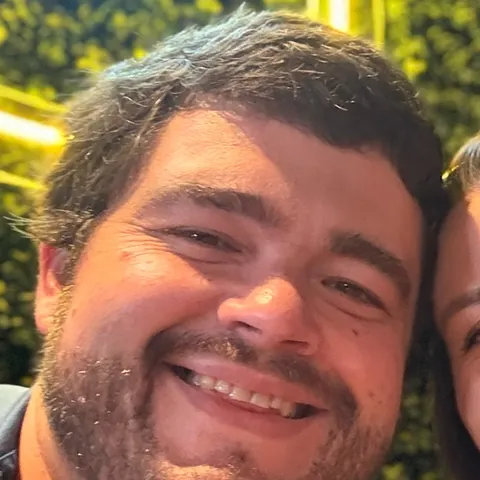
Paul Green
Founder
Paul moved to Guanajuato in 2018 and founded My Mexico Move in 2021. He writes the guides and builds the city profiles, tools and member platform.
City profile · Bajío and Central Highlands
A pink-stone colonial capital under a Level 4 advisory. Read the costs, neighborhoods and safety picture before you decide.
Verified November 2026 · Source: US State Department, Mexico travel advisory
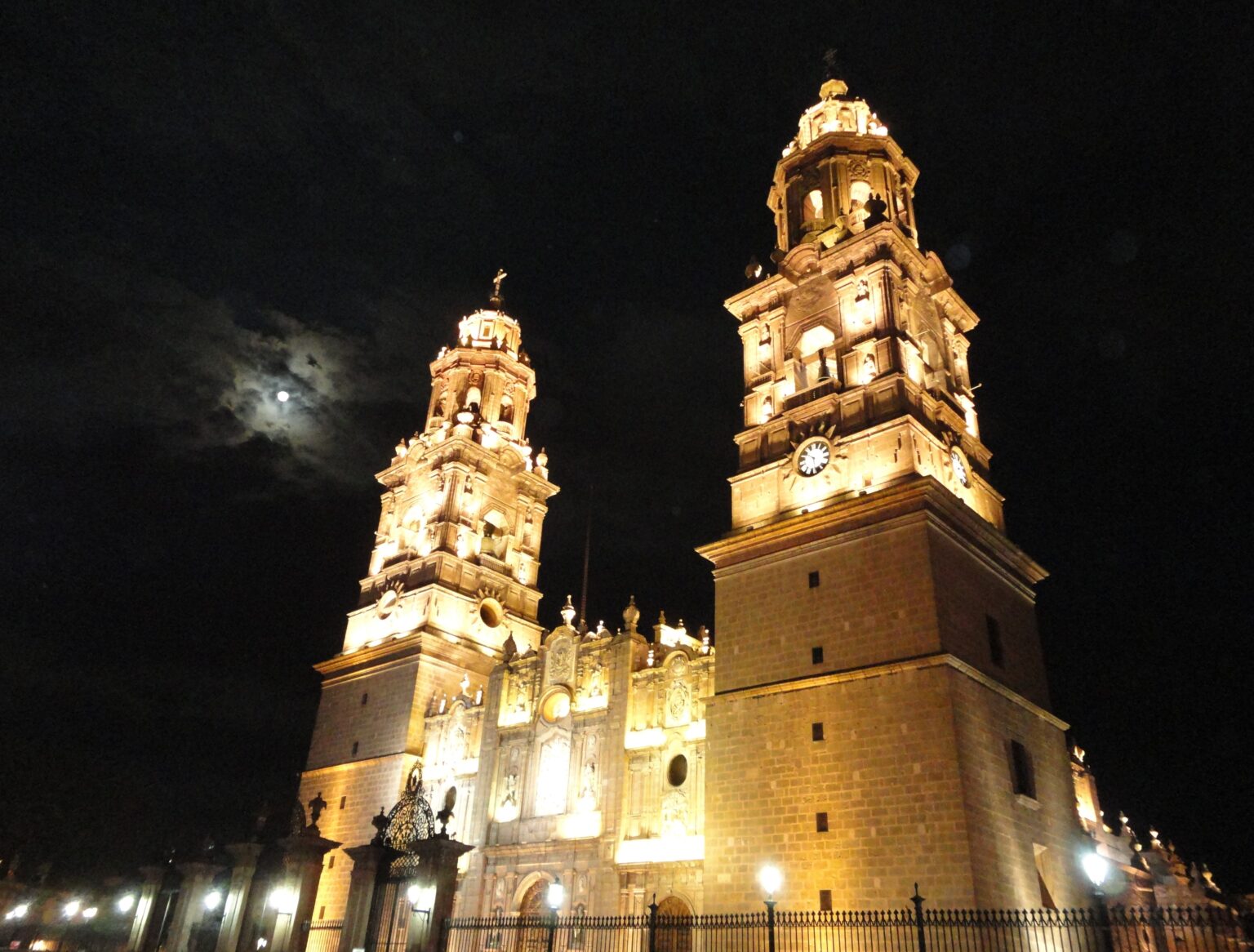
Morelia is the capital of Michoacán, a colonial city at about 1,920 m whose historic center has been a UNESCO World Heritage Site since 1991. Its pink cantera-stone cathedral has two 60 m towers and a German organ with 4,600 pipes. The aqueduct was first documented in 1549. The 2020 census figure cited for the city is about 743,000, with about 849,000 in the municipality and about 989,000 in the metro area, though the source we used lists other figures elsewhere. It is a university city: the Universidad Michoacana de San Nicolás de Hidalgo is the state's most important, and UNAM and ITESM have campuses there. Festivals include the Morelia International Film Festival (begun in 2003) and the Festival Internacional de Música (begun in 1988).
Before you commit, read the checklist: Moving to Morelia, Mexico: What to Check Before You Commit (2026) is the companion guide to this profile. The profile has the figures; the checklist is what to test before you sign anything.
Michoacán is one of six states at Level 4 in the advisory dated August 11, 2026, which we read in full for this site in November 2026. The advisory names crime and violence as widespread in Michoacán and terrorism as a concern. It also sets narrow terms for US government employees reaching Morelia: only by air, or by land on Federal Highways 43 or 48D from 15D, with airport-to-city travel on 48D only. It bars them from the rest of the state, including the Monarch Butterfly Reserve, and tells ordinary citizens to follow the same restrictions. Those terms are for officials with duties in the capital, not a route map for residents: school runs, hospital trips and errands sit outside them. Nearby draws such as Pátzcuaro and Janitzio are in the same state. Read the advisory itself.
Centro Histórico is the part of Morelia you live on foot. The historic center is compact and walkable, and Avenida Madero, a partially pedestrianized corridor, runs through its heart from the cathedral to the Bosque Cuauhtémoc park. The Calzada Fray Antonio de San Miguel, the tree-lined walk from the cathedral to the Santuario de Guadalupe, is one of the nicest walks in any Mexican city. Beyond the center the city sprawls, and you will want wheels: the bus system is cheap at under 50 US cents a ride, but the routes are not well marked and there is no real transit map. Uber and DiDi both operate reliably in Morelia, and a typical cross-town ride costs $3.50 to $6. If you live in Altozano, Tres Marías, or the residential neighborhoods south or west of the center, you will want a car. Driving is reasonable by Mexican standards, less chaotic than Mexico City or Guadalajara, though traffic builds along Avenida Camelinas and the Periférico at rush hour. Parking in the center is tight but manageable, with several public lots near the cathedral.
Morelia has no expat neighborhood. There is no Gringo Gulch or equivalent, and the colonias that work best for foreigners depend on what you value: walkability, quiet, space, or new construction.
Centro Histórico is the top choice for most expats because it is walkable, culturally rich, and central, with the cathedral on Plaza de Armas as its anchor. Expect $400 to $600 for a solid one-bedroom. Apartments sit in older colonial buildings that are beautiful but sometimes drafty, with limited natural light, and noise from church bells and street life is part of the experience.
Chapultepec Norte and Chapultepec Sur sit just north and south of the Bosque Cuauhtémoc. They are residential, tree-lined and family-oriented, close enough to walk to the center in 15 to 20 minutes, and slightly quieter than the main plazas. Rents run comparable to the center, with more space for the money.
Vista Bella and Lomas de Hidalgo are mid-range residential areas further from the center, with more modern housing, driveways, garages, and two-story homes with yards. You will need a car or rely on Uber to get to the center. Rents for a two- or three-bedroom house run $750 to $1,200, which suits families or anyone who needs more space than a colonial apartment offers.
Altozano and Tres Marías are the newer, more upscale developments on the south side near the Altozano shopping plaza, with condos, gated communities, chain restaurants, and the Costco. The area feels like suburban Mexico: clean, modern, car-dependent, and without the colonial character that makes Morelia special. If you prioritize modern amenities and parking, it works fine.
Morelia eats from its markets, and the markets are where the low cost of living shows. The Mercado de Independencia is enormous and very inexpensive: a week of produce, chicken, cheese, and tortillas can run around $30 for a single person. The Mercado de San Juan on Calle Vasco de Quiroga is massive, selling produce, meat, cheese, and mole paste at prices that make you rethink every grocery run you have done north of the border. For conventional supermarket shopping, Soriana, Walmart, and Chedraui have locations around the city, with a Costco on the south side near Altozano for buying in bulk. The sweet trade is its own institution: ate, Michoacán's fruit pastes, and the candied Morelianas are sold at stalls all over the center.
There is no established English-speaking expat community in Morelia. There is no weekly meetup at an expat bar and no massive Facebook group organizing potlucks. Foreigners live here, language students, retirees, and digital workers, but they are scattered and do not form a cohesive community. Your social life will be primarily in Spanish and primarily with Mexicans. For some people that is exactly what they want. For others it is isolating, especially in the first few months, and if you are not at least at an intermediate Spanish level, loneliness is a real risk. What the city offers instead of a bubble is a university town: the Universidad Michoacana is one of the oldest universities in the Americas, so the city feels young, educated, and culturally active, with festivals including the Morelia International Film Festival and the Festival Internacional de Música.
Numbeo's Morelia page, updated 10 November 2026 with 15 contributors over 18 months and partly estimated data, reports a one-bedroom at about 6,333 pesos a month both in and outside the center, about $340 at roughly 18.6 pesos to the dollar, and a three-bedroom in the center at about 17,073 pesos, about $920. Basic utilities average about 1,147 pesos ($62), broadband about 639 pesos ($34), an inexpensive restaurant meal about 130 pesos ($7) and a monthly transport pass about 585 pesos ($31). Those are low next to the Caribbean coast, which is part of the draw. Treat the figures as a range and check live listings.
Numbeo's range for a one-bedroom in the center runs $270 to $432 a month (updated 10 November 2026, 15 contributors over 18 months), around the $340 average above. An expat guide's May 2026 figures put a solid one-bedroom in Centro Histórico at $400 to $600, a two-bedroom in the center or nearby colonias at $550 to $800, and a two- or three-bedroom house in a residential colonia at $750 to $1,200. Short-term furnished rentals run higher: a furnished one-bedroom in Airbnb style runs $700 to $1,100. The rental market is driven by local families, doctors, and students, not foreign investors, and the best listings move through Inmuebles24, MercadoLibre, and local Facebook rental groups, almost entirely in Spanish.
| Item | Figure | Basis |
|---|---|---|
| Monthly budget, one person | $1,200–$1,600 | Per month, expat guide, May 2026, including a nice apartment, eating out regularly, Ubers and local healthcare |
| Monthly budget, couple | $1,600–$2,200 | Per month, expat guide, May 2026 |
| CityCost total, one person | About $1,149 | Per month including rent, CityCost, November 2026 |
| CityCost excluding housing, one person | $744 | Per month, CityCost, November 2026 |
| Rent, one-bedroom in the centre | $270–$432 | Per month, Numbeo range, updated 10 November 2026, 15 contributors |
| Rent, one-bedroom average | About $340 | Per month, Numbeo, 10 November 2026, about MXN 6,333 |
| Rent, three-bedroom in the centre | About $920 | Per month, Numbeo, 10 November 2026, about MXN 17,073 |
| Utilities | About $62 | Per month, Numbeo, about MXN 1,147 |
| Broadband | About $34 | Per month, Numbeo, about MXN 639 |
| Inexpensive restaurant meal | About $7 | Numbeo, about MXN 130 |
| Monthly transport pass | About $31 | Numbeo, about MXN 585 |
Turn these numbers into your eight-stage plan.
Morelia sits in the interior, outside Mexico's restricted zone, so a foreign buyer does not need a fideicomiso trust here, which is one less layer than on the coasts. That does not make buying simple. Colonial properties in the historic center are old stone buildings that need ongoing maintenance, and the same warning applies as in Guanajuato: get an independent notario and check the property is not ejido land before you commit. The newcomer mistake is to buy before renting: live in the city for six to twelve months first, learn the colonias, and buy only once you know which streets you want to live on. No verified per-square-meter price is published here.
Healthcare in Morelia is deep for a city its size. The main private hospitals are Hospital Star Médica Morelia, the most modern, handling a wide range of specialties including cardiology, orthopedics and general surgery, Hospital Memorial, Sanatorio de la Luz and Hospital Ángeles Morelia, and the Clínica del Corazón covers cardiology in the city center. The public side includes the Hospital Civil, the Hospital de la Mujer, a major IMSS hospital and an ISSSTE facility. A standard consultation with a specialist at a private hospital runs $30 to $60, a general doctor visit at a pharmacy consultorio $4 to $8, and an emergency room visit at Star Médica $80 to $200. Farmacia Guadalajara and Farmacia del Ahorro are the two major pharmacy chains, and most have attached consultorios where you can get a consultation and a prescription on the spot. An expat guide puts voluntary IMSS enrollment for residents at roughly $600 to $850 a year, which covers hospitalization, prescriptions and specialist visits, with longer waits and less polished facilities than the private options. We have no verified information on English-speaking staff, insurer billing or specialist depth, so confirm those in person. Mexico City is about three to four hours away by highway for anything the city cannot treat.
| Facility | Type | What the profile says |
|---|---|---|
| Hospital Star Médica Morelia | Private hospital | Most modern in town, wide range of specialties including cardiology, orthopedics and general surgery; emergency room visit $80 to $200 |
| Hospital Memorial | Private hospital | In town, covering private care |
| Sanatorio de la Luz | Private hospital | In town, covering private care |
| Hospital Ángeles Morelia | Private hospital | In town, general and specialized care |
| Hospital Civil | Public hospital | In town, covering general public care |
| Hospital de la Mujer | Public hospital | In town |
| Clínica del Corazón | Private cardiology clinic | In the city center |
| Specialist consultation | Private care | Runs $30 to $60 at a private hospital |
| General doctor visit | Pharmacy consultorio | Runs $4 to $8 at a pharmacy consultorio |
| IMSS hospital | Public hospital (IMSS) | Major IMSS hospital in town; voluntary enrollment roughly $600 to $850 a year |
| ISSSTE facility | Public hospital (ISSSTE) | In town |
| Mexico City | Travel for care | About three to four hours away by highway for anything the city cannot treat |
Morelia suits a retiree who wants a big colonial city at small-city prices and is comfortable living in Spanish. The draw is the combination: low rents, a walkable center, a real healthcare hub, and a food culture that is among the best in Mexico. The constraints are just as real. Michoacán is at Level 4, and the advisory is a practical factor: travel insurance policies may carry exclusions for the state, and telling family back home that you are moving to a state the US government says not to visit makes for difficult conversations. There is no large retiree community to plug into, and daily life runs in Spanish. For anything the city cannot treat, Mexico City is about three to four hours away by highway. Rent first, live through a rainy season, and decide with a year of local experience behind you.
Morelia works best for foreigners who bring their income with them. Remote work is viable: fiber internet from Telmex and Totalplay is available in most of the center and the major residential colonias, with speeds of 100 to 200 Mbps standard at $30 to $40 a month, though older wiring in historic-center buildings can cap real speeds well below what the provider advertises, so test the connection at any apartment before signing a lease. There is no big coworking scene, only a handful of spaces around the university area; most remote workers work from home or from cafés, and Café Europa on Madero is one of the spots that tolerates laptop workers. Local work means Spanish and a residency status that permits it: teaching English, university work, and tourism-adjacent roles are the usual openings, and local salaries are far below US levels. Do not plan on a local salary carrying a foreign lifestyle.
Morelia is a family city more than an expat-family city. The family-oriented colonias are Chapultepec Norte and Sur and Vista Bella, with tree-lined streets, yards, and room for children, and the Bosque Cuauhtémoc park is the green space at the end of Avenida Madero. The university gives the city a young energy, and the film festival and the music festival are family-friendly. What families do not get here is an established international-school community or an English-speaking parent network. Schooling is the decision to make before housing: see the Schools section below. And the advisory applies to the whole state, so a family move means reading it together and deciding whether the Level 4 rating is something you can live with every day.
Families have real options, but no option is plug-and-play. The Instituto Jefferson Internacional is the city's IB World School, offering the IB Primary Years and Middle Years Programmes with Cambridge certification and trilingual education in Spanish, English, and French, with about 40 years of presence in the city and more than 1,500 students. Its sister campus, the Universidad Internacional Jefferson in Santa María de Guido, runs the IB Diploma Programme, the only one in Michoacán. Expat guides also list the Colegio de las Américas and the American School Foundation of Morelia as bilingual options, and the Instituto Valladolid as a bilingual preparatory school. No fee or admissions figure is published here: fees are not published publicly, so contact the schools directly and visit before you commit. Above school age, the Universidad Michoacana de San Nicolás de Hidalgo is the state's most important university, with UNAM and ITESM campuses in the city as well.
Morelia is one of the best food cities in Mexico, and Michoacán's culinary traditions are among the country's deepest: UNESCO recognized traditional Mexican cuisine partly on Michoacán's food heritage. The signature dishes are corundas, uchepos, enchiladas placeras, and the fruit pastes known as ates. Michoacán is the undisputed carnitas capital of Mexico. Morelia's version of gazpacho is a fruit salad with cheese, lime, and chili powder, completely different from the Spanish soup, and it is sold at stands all over the center. For daily eating, a set lunch menu called comida corrida runs $3.50 to $5.50 at fondas throughout the city. Restaurants along the Portal Hidalgo on the main plaza are tourist-priced but still cheap by US standards, where a full dinner with drinks for two runs $30 to $50. For a splurge, Lu Cocina Michoacana near the cathedral does refined regional cuisine at very reasonable prices.
Morelia's nightlife is café and plaza energy, not resort energy. Evenings center on the Jardín de las Rosas, a shaded garden a block from the cathedral, where sidewalk cafés and bars line one side and street musicians play. La Casona de las Rosas, on the garden, has live music through the week. Bars cluster around the main plaza in the center, with cocktail bars and mezcalerías mixed in, and the student population keeps the center lively late. It is a young, local scene: expect Spanish, live music, and mezcal, not an expat bar crawl. As everywhere in the city, take a taxi or an Uber home after midnight rather than walking.
The safety picture is the advisory, set out in full in The Advisory Comes First above. Michoacán is at Level 4, Do Not Travel, the highest level in the US State Department's Mexico advisory dated August 11, 2026, which names crime and violence as widespread in the state and terrorism as a concern, and it sets narrow terms for US government employees reaching Morelia. Within the city proper, especially Centro Histórico, the university zone, and the major residential areas, the day-to-day situation is calmer than the state picture: the city's crime profile is mostly property crime, pickpocketing in markets, car break-ins, and phone snatching, and violent crime affecting foreigners in the urban core is rare. The areas with security problems are almost entirely in the rural sierra and hot-zone municipalities well outside the capital, places like Apatzingán and the Tierra Caliente region. Standard precautions apply: avoid walking alone late at night in unfamiliar areas, do not flash expensive electronics, and use Uber or DiDi instead of random street taxis. Read the advisory itself before you read on, and check it again before any trip.
A modest but comfortable single life in Morelia runs about $1,200 to $1,600 a month, and a couple can do well on $1,600 to $2,200, according to an expat guide's May 2026 figures, including a nice apartment, eating out regularly, taking Ubers, and covering local healthcare. CityCost's November 2026 estimate is lower: about $1,149 a month for one person including rent, or $744 excluding housing. The shape of it: rent $270 to $432 for a one-bedroom in the center (Numbeo range, updated 10 November 2026); utilities average about $62 a month, broadband about $34, an inexpensive restaurant meal about $7, and a monthly transport pass about $31, all from the same Numbeo page. Groceries for a single person run $200 to $300 a month, and a comida corrida lunch $3.50 to $5.50. The leaks are the usual ones: imported goods, private health insurance premiums, and travel back to the States. If you are highly frugal, cook mostly at home, and live outside the main center, you could push a single budget down toward $1,000, though you would be living more like a local university student than a comfortable expat.
General Francisco Mujica International Airport has connections to Mexico City, Guadalajara, Monterrey, Tijuana and some US cities. The road to Mexico City takes about three to four hours. The climate is subtropical highland, with average monthly temperatures of 14 to 22 °C, warm days and cool nights, most rain from June to September and about 804 mm a year. Frost is rare but the record low is -5.2 °C.
Disclosure Affiliate link: if you buy or book through it, we may earn a commission at no extra cost to you. The full disclosure
The city itself is the draw: a UNESCO capital with universities and low rents. The advisory is the obstacle, and it applies to the state you would be living and traveling in every day. Read the advisory, visit as a short-stay visitor first, and speak with people who live there now. If you would rather take the lower-level route to a similar city, compare Guanajuato, Querétaro, San Miguel de Allende and Puebla.
Hero photo: Morelia Cathedral at night by Carlitos acv, CC BY-SA, via Wikimedia Commons.
The one page brief carries this profile’s snapshot costs and rent, its healthcare frame and, where the profile states one, its advisory note, printed word for word.
No ratings yet. The average appears after 5 ratings, so one score cannot pose as a verdict. To rate this city profile, leave a comment below and pick your stars in the comment form. First comments are held for a quick moderation check before they appear.
Corrections and first-hand tips are welcome. Keep comments on topic and kind, and please do not share personal immigration case details here. Read the Comment Policy before posting.
Find Your City in Mexico walks the main destinations through cost, safety, climate, healthcare and community, in order.
14-day refund window
Who’s behind the site
We are Paul and Adriana, and we run My Mexico Move together: Paul from the guides and the platform side, Adriana from Guanajuato, where she leads our partnerships and the ground work behind every profile.
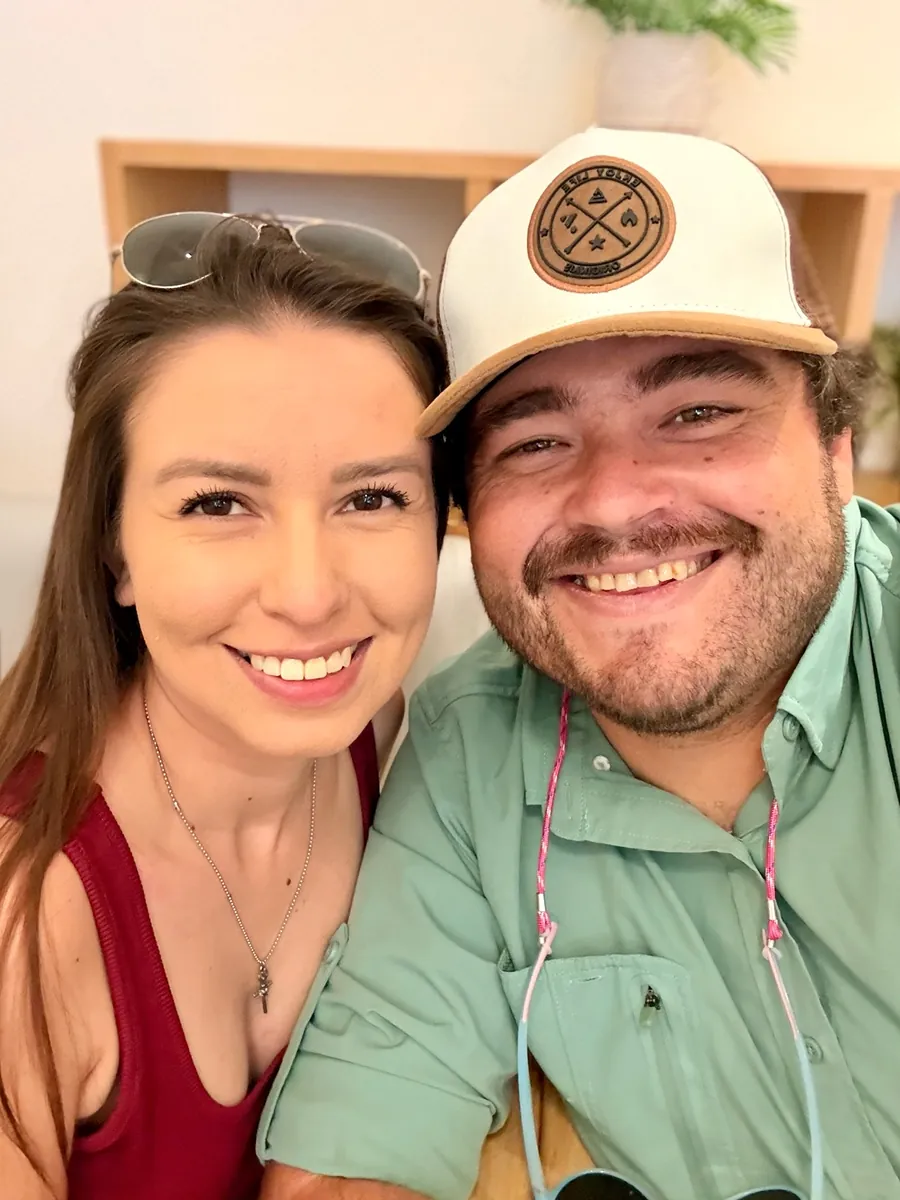
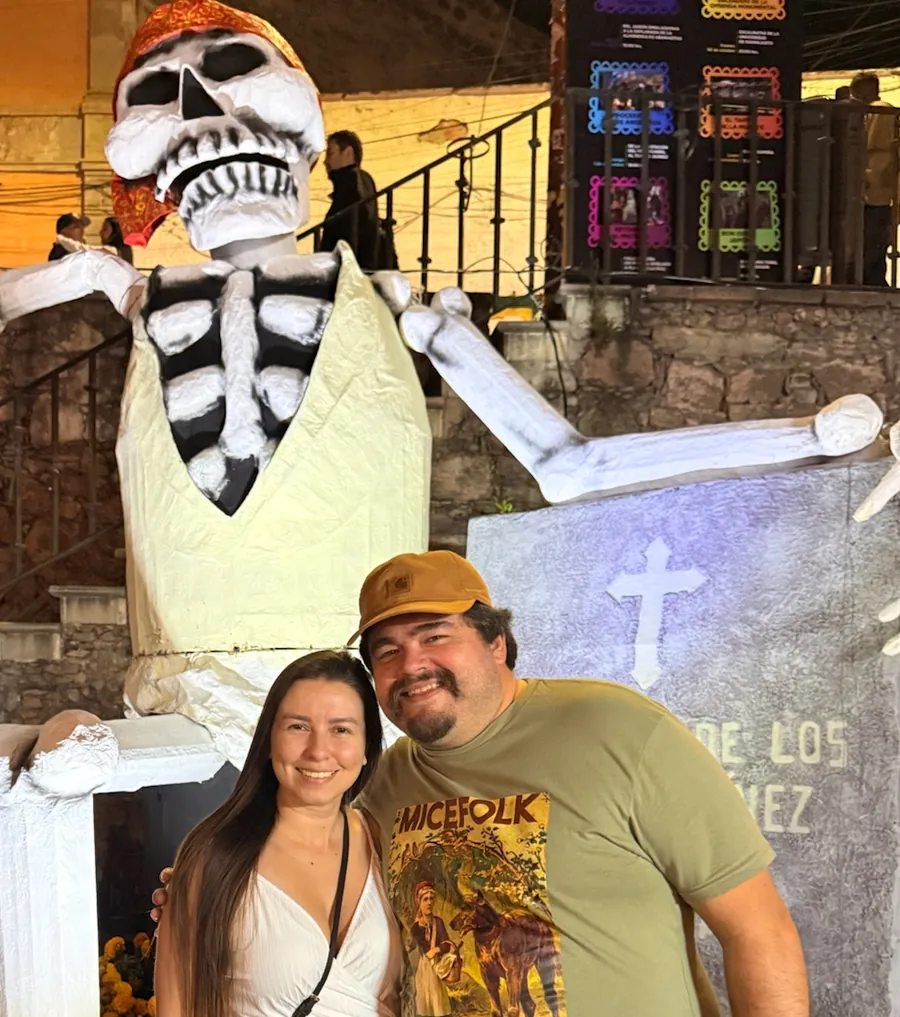
Founder
Paul moved to Guanajuato in 2018 and founded My Mexico Move in 2021. He writes the guides and builds the city profiles, tools and member platform.
Partner
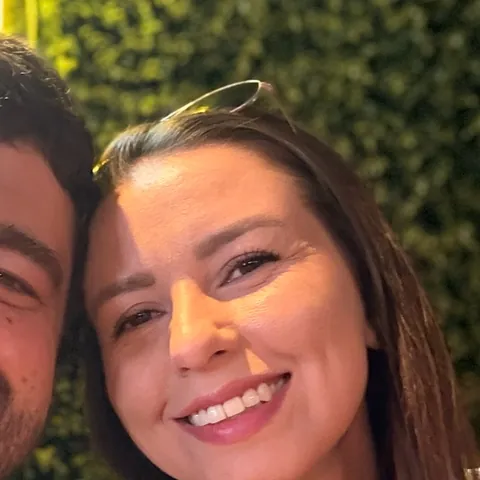
Adriana Vaca is Paul’s partner and leads partnerships and operations at My Mexico Move. Based in Guanajuato, she builds the relationships with the Mexican businesses in our directory, reviews our Spanish-language content so it reads the way it should, and runs the Mexico ground work our guides and city profiles depend on. A broadcaster by trade, she presented on Exa FM Irapuato and has worked as a commercial voice talent since 2017. Her studio, Voice con Vida, produces the audio across our sites.
Say hello any time, or write to us through the contact page.