The short answer
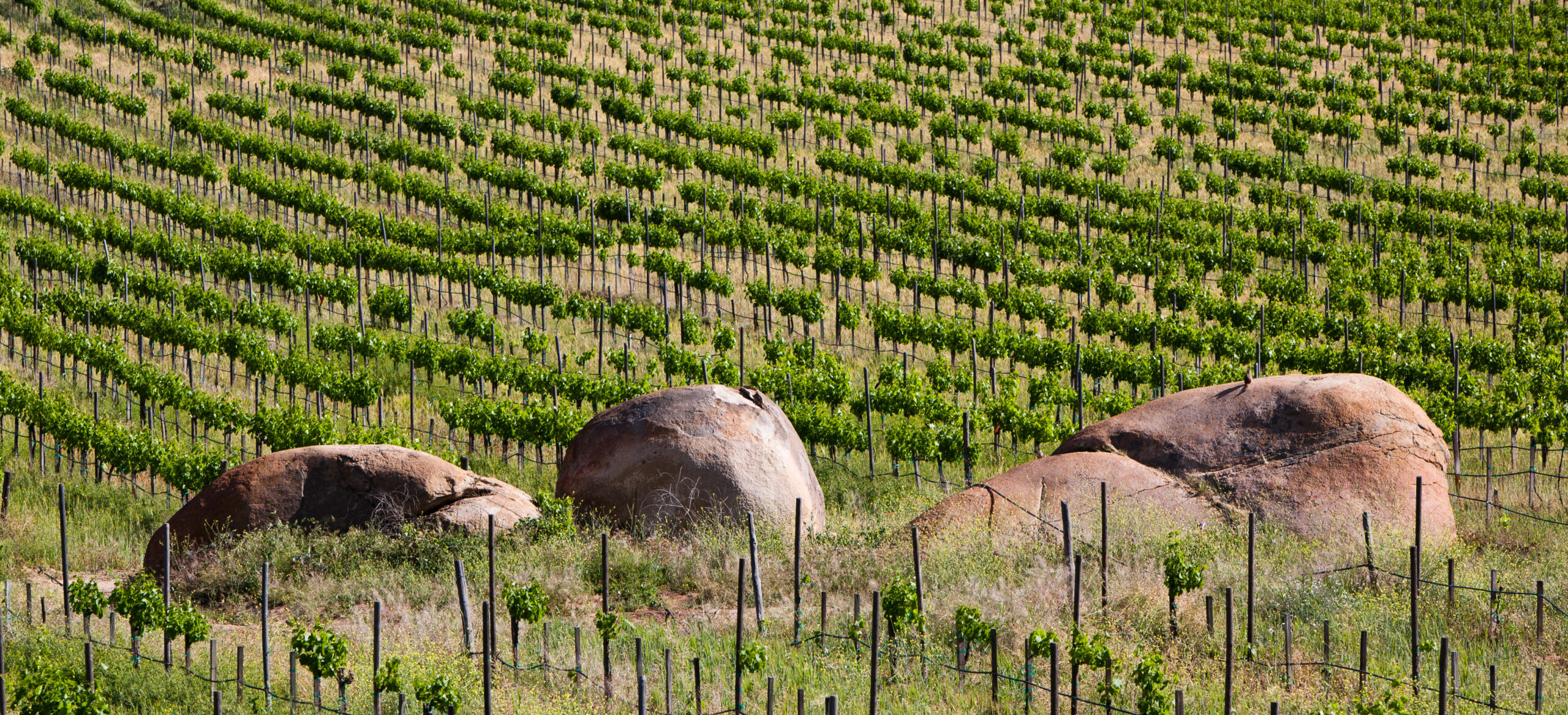
The Valle de Guadalupe is not a town. It is a valley, a rural wine region in the municipality of Ensenada, Baja California, and that distinction is the first thing to understand about it. The valley produces an estimated 70 percent of Mexican wine and holds more than 150 wineries, from big-volume producers to small family projects. It is the most searched Baja wine destination, drawing weekend visitors from San Diego and Tijuana and food travelers from across Mexico. This guide treats it as what it is: a valley to visit, taste, and stay in for a few days, and a slow base for a few, not a city to move to.
A valley, not a town
The valley’s administrative units are Ejido El Porvenir, Francisco Zarco, San Antonio de las Minas, and Colonia Artículo 115, and the valley had a population of 5,859 according to the 2010 census. There is no single town center, no main plaza to live around, and no long-term rental market figure to quote: most stays are hotels, villas, and short stays.
The nearest city is Ensenada, 20 kilometres (12 miles) south, and the nearest border crossing is Tijuana, 113 kilometres (70 miles) from San Diego. If you are looking for a town profile, read Ensenada, Tijuana, or Rosarito instead.
Do not read this page as a city profile. It is a valley guide, and the sections below are written that way.
The four corners of the valley

El Porvenir is the valley’s center for wine: luxury boutique hotels, architectural wineries, and refined food, and the densest cluster of producers. Francisco Zarco is the traditional agricultural community, with historic vineyards and local producers.
San Antonio de las Minas is scenic vineyard country with intimate family-owned wineries, and the Wine Route begins there, running more than 70 kilometres north toward Tecate. The broader Baja Wine Route takes in the Tanamá, Las Palmas, and Calafia valleys too.
Colonia Artículo 115 is the fourth local unit. The valley is equivalent to about two-thirds of the Napa Valley in size, and its climate is often compared to the French southwest.
Wine
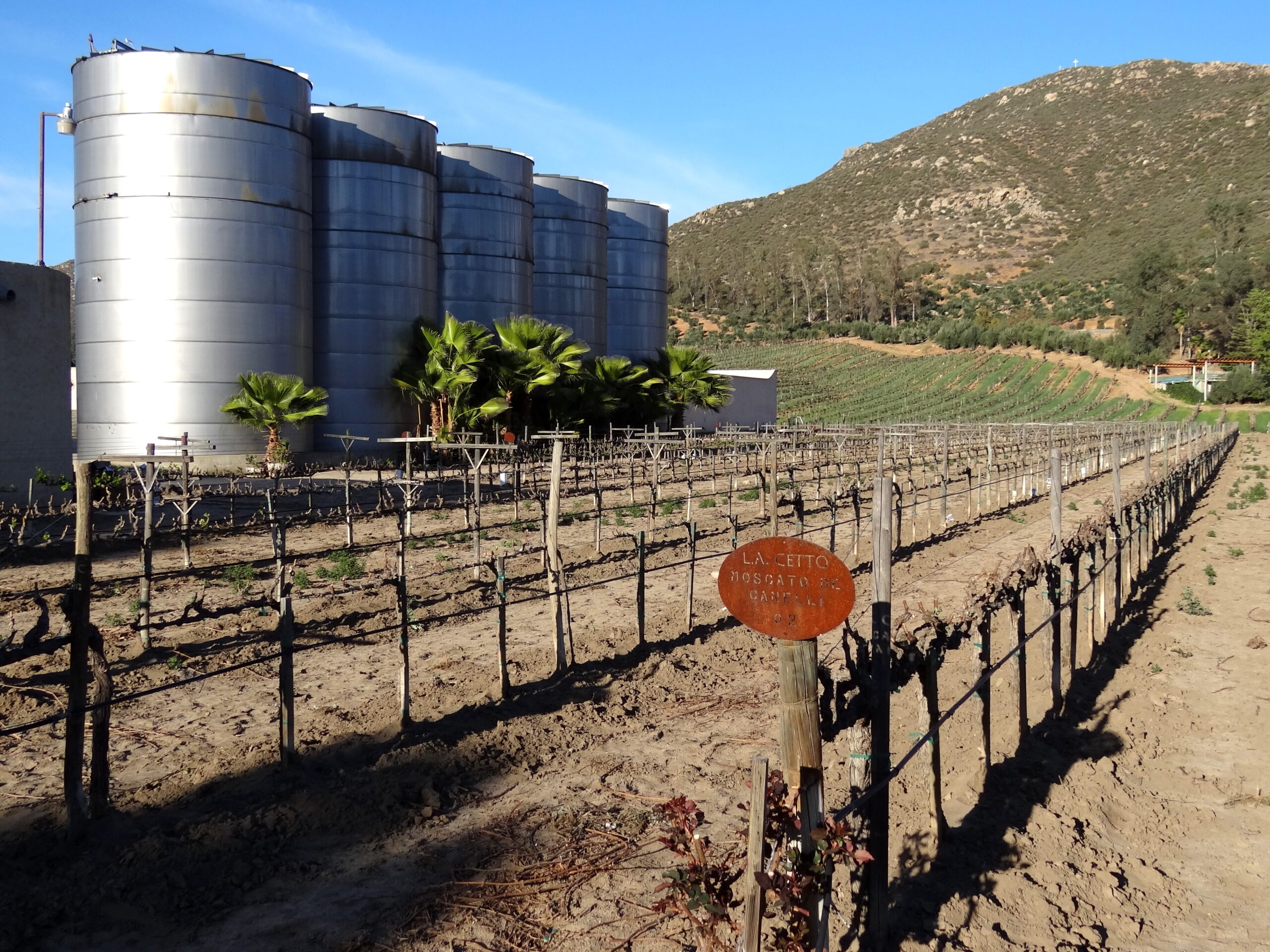
The valley makes an estimated 70 percent of Mexican wine. The modern industry began in 1972, when Casa Pedro Domecq started winemaking here. The count of wineries grew from 6 in 1999 to 25 in 2005, and by 2023 the valley counted 150 wineries, 92 hotels and boutiques, and 12 taco stands.
Names to know include Monte Xanic, Bruma, Finca La Carrodilla, Hacienda La Lomita, Casa Magoni, Vena Cava, Mogor Badan, Adobe Guadalupe, L.A. Cetto, and Bodegas de Santo Tomás, Baja’s oldest winery. The big-volume producers, L.A. Cetto, Santo Tomás, and Domecq, sit alongside small family projects, and that mix is the point: a day here can run from a grand tasting room to a garage-scale pour.
Food
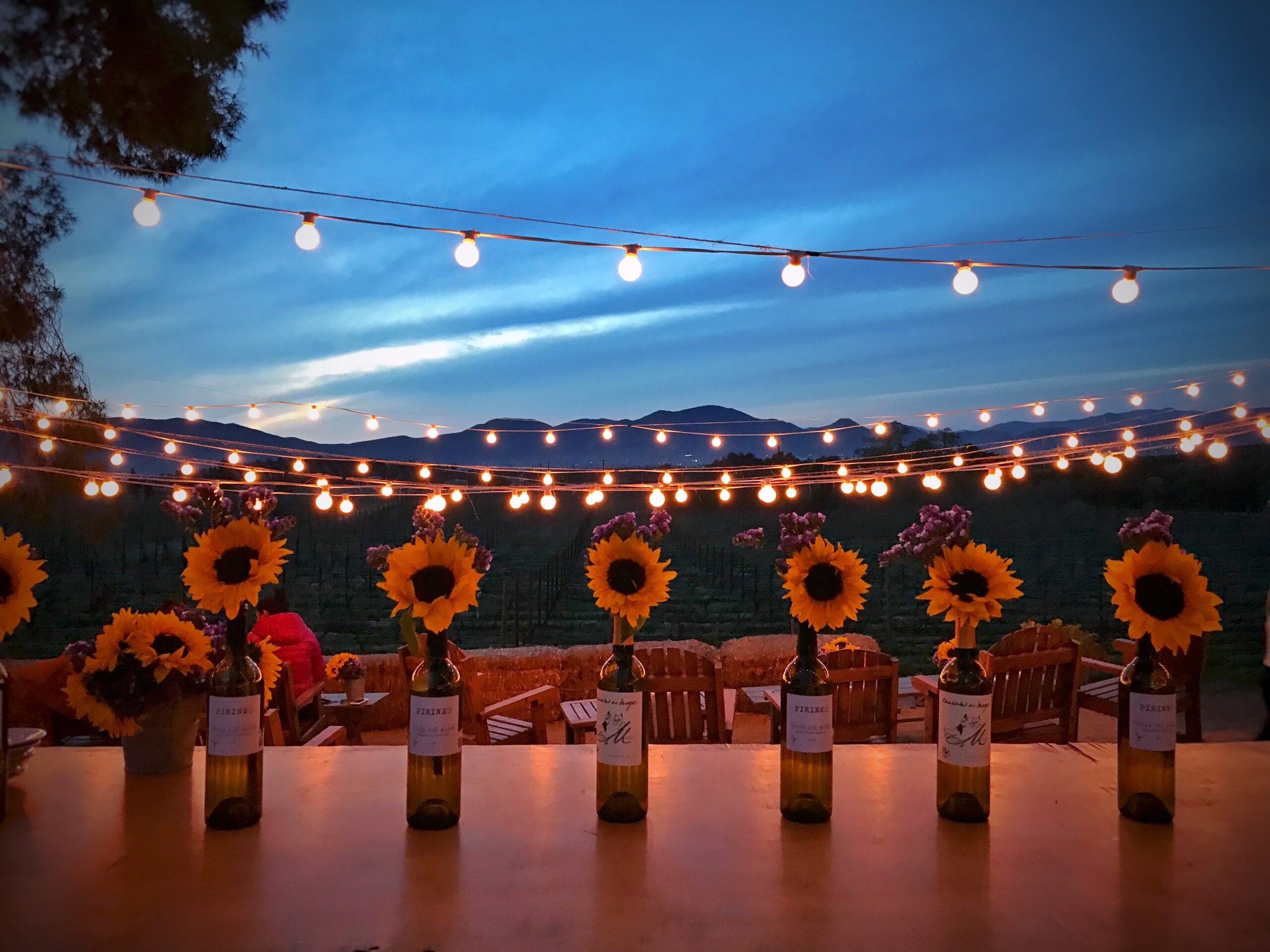
The valley is a food destination as much as a wine one. The winery restaurants serve Baja Med cuisine, the peninsula’s mix of Mexican, Mediterranean, and Asian influence, at the refined end of the price range.
A tour operator’s current range puts tastings at MXN 200 to 940 and winery tours at MXN 100 to 700, which is the honest spread: small family tastings at the low end, grand rooms at the high end.
Eat at the wineries you taste at, and book ahead on weekends, when the valley fills with visitors from both sides of the border.
Where to stay
Stay in the valley or base in Ensenada. The valley counted 92 hotels and boutiques by 2023, concentrated in El Porvenir, from luxury boutique hotels to small vineyard stays. Ensenada, 20 kilometres south, is the full-service base: a port city with hotels at every price, supermarkets, hospitals, and the road north.
DisclosureAffiliate link: if you buy or book through it, we may earn a commission at no extra cost to you. The full disclosure
Short stays in Valle de Guadalupe, on one map
The checking trip, mapped: Stay22 searches Expedia, Booking.com and more for current Valle de Guadalupe stays and shows them together, with live prices.
Tours and tickets in Valle de Guadalupe
Valle de Guadalupe’s headline tours and tickets, bookable through GetYourGuide:
Affiliate links: if you book through GetYourGuide here, we may earn a commission at no extra cost to you. See the Affiliate Disclosure.
There is no long-term rental market figure to quote for the valley, and no verified monthly rent: stays here are priced by the night, and anyone planning a longer stay should price it as a hotel stay, not a lease. That is the honest limit of this guide.
Getting there
Drive. The valley sits 20 kilometres north of Ensenada on Mex 3, and 113 kilometres southeast of the San Diego to Tijuana crossing. From Tijuana, take Mex 1 south to Ensenada and Mex 3 inland, or the Francisco Zarco road from Mex 1, which is slower but more scenic and passes dozens of lesser-known vineyards. The valley is spread out and rural, so plan on a car or a hired driver; there is no town bus network to rely on.
What it costs
The valley does not publish a cost of living, and this guide does not invent one. What is verified: tastings run MXN 200 to 940 and winery tours MXN 100 to 700, per a tour operator’s current range, and most stays are hotels and villas priced by the night.
There is no verified monthly rent, no verified grocery basket, and no single-person monthly total to quote, because there is no town rental market to measure. Ensenada is the nearest city with a full profile.
Safety
Baja California is at Level 3 in the US State Department’s Mexico advisory dated August 11, 2026. The valley is a rural agricultural area, and the standard precautions apply: drive in daylight where you can, keep valuables out of sight, and use a hired driver if you are tasting all day. Full hospital care is in Ensenada, 20 kilometres south. Read the current advisory at travel.state.gov before you travel, and check it again before any trip.
Climate
The valley has a Mediterranean-style climate for wine: warm dry summers, cool winters, and low rain. That climate is the reason grapes grow here at this scale, and the reason the valley feels different from the Baja coast to the south.
Who the valley suits
The valley suits a weekend wine and food trip from San Diego or Tijuana, a slow few days for wine lovers, and anyone who wants a rural base with Ensenada an easy drive away. It does not suit a first move to Mexico: there is no rental market, no hospital, no town services, and no community to join. Base in Ensenada for a longer stay, visit the valley for days at a time, and decide from there.
Frequently Asked Questions
Is the Valle de Guadalupe a town?
No. It is a valley, a rural wine region in the municipality of Ensenada, Baja California. Its administrative units are Ejido El Porvenir, Francisco Zarco, San Antonio de las Minas, and Colonia Artículo 115, and the valley had a population of 5,859 according to the 2010 census. There is no single town center and no main plaza to live around.
Can I move to the Valle de Guadalupe?
Not as a first move. There is no rental market, no hospital, no town services, and no community to join. Base in Ensenada, 20 kilometres south, for a longer stay, and visit the valley for days at a time.
What does it cost?
Tastings run MXN 200 to 940 and winery tours MXN 100 to 700, per a tour operator’s current range, and most stays are hotels and villas priced by the night. There is no verified monthly rent, no verified grocery basket, and no single-person monthly total to quote, because there is no town rental market to measure.
Is it safe?
Baja California is at Level 3 in the US State Department’s Mexico advisory dated August 11, 2026. The valley is a rural agricultural area: drive in daylight where you can, keep valuables out of sight, and use a hired driver if you are tasting all day. Full hospital care is in Ensenada, 20 kilometres south.
How do I get there?
Drive. The valley sits 20 kilometres north of Ensenada on Mex 3, and 113 kilometres southeast of the San Diego to Tijuana crossing. From Tijuana, take Mex 1 south to Ensenada and Mex 3 inland, or the Francisco Zarco road from Mex 1, which is slower but more scenic. The valley is spread out and rural, so plan on a car or a hired driver; there is no town bus network to rely on.
Related on this site: Cities hub