
Disclosure Affiliate link: if you buy or book through it, we may earn a commission at no extra cost to you. The full disclosure
The short answer
Cultural fluency in Mexico is not just polite, it’s practical. How you greet people, how you interact in markets, how you behave at a Mexican dinner table, and what norms you follow with domestic employees all affect how you’re received and how your daily life unfolds. This guide covers the customs that matter most for expats who want to integrate rather than just observe.
This guide covers the customs that matter most for expats who want to integrate rather than just observe.
Greetings: The Physical Reality
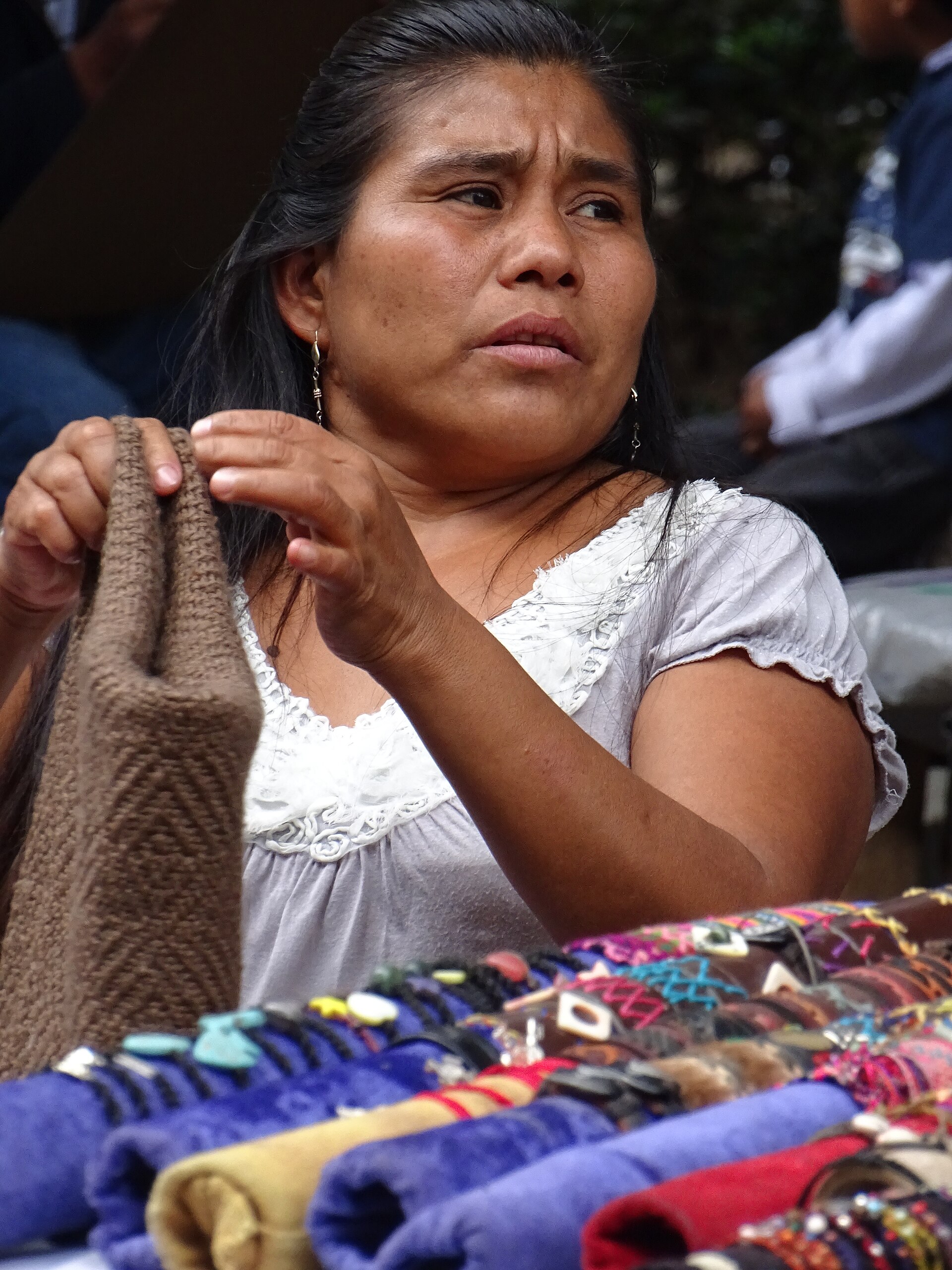
Mexican greetings are physical and warm in ways that may surprise Northern Europeans and Americans. Men typically shake hands on meeting, and close male friends will embrace (abrazo) with a back pat. Women greet each other, and men they know, with a single kiss on the cheek (or a cheek-to-cheek air kiss). When you enter a room, greet every person individually. Not doing so is considered rude, even in larger group settings. Don’t just wave at the room.
When addressing people you don’t know well: use ‘usted’ (formal you) rather than ‘tú’ until offered otherwise. Using ‘tú’ too quickly with an older person or a service provider can read as dismissive. In the Bajío (Guanajuato, Querétaro, San Miguel) and among older generations, ‘usted’ persists even among friends.
Time and Punctuality
Social punctuality in Mexico is genuinely more relaxed than in the US or Northern Europe, arriving 30 to 45 minutes late to a dinner invitation is normal and expected. If someone invites you to a party at 8pm, they may not be ready until 9pm. Don’t arrive exactly on time to a social gathering.
Business and government punctuality is a different matter. INM, SAT, and bank appointments run closer to their stated times. Professional meetings with Mexican businesses tend to be punctual in the major cities. The relaxed social clock does not apply to scheduled service or official appointments.
Meals and Food Culture
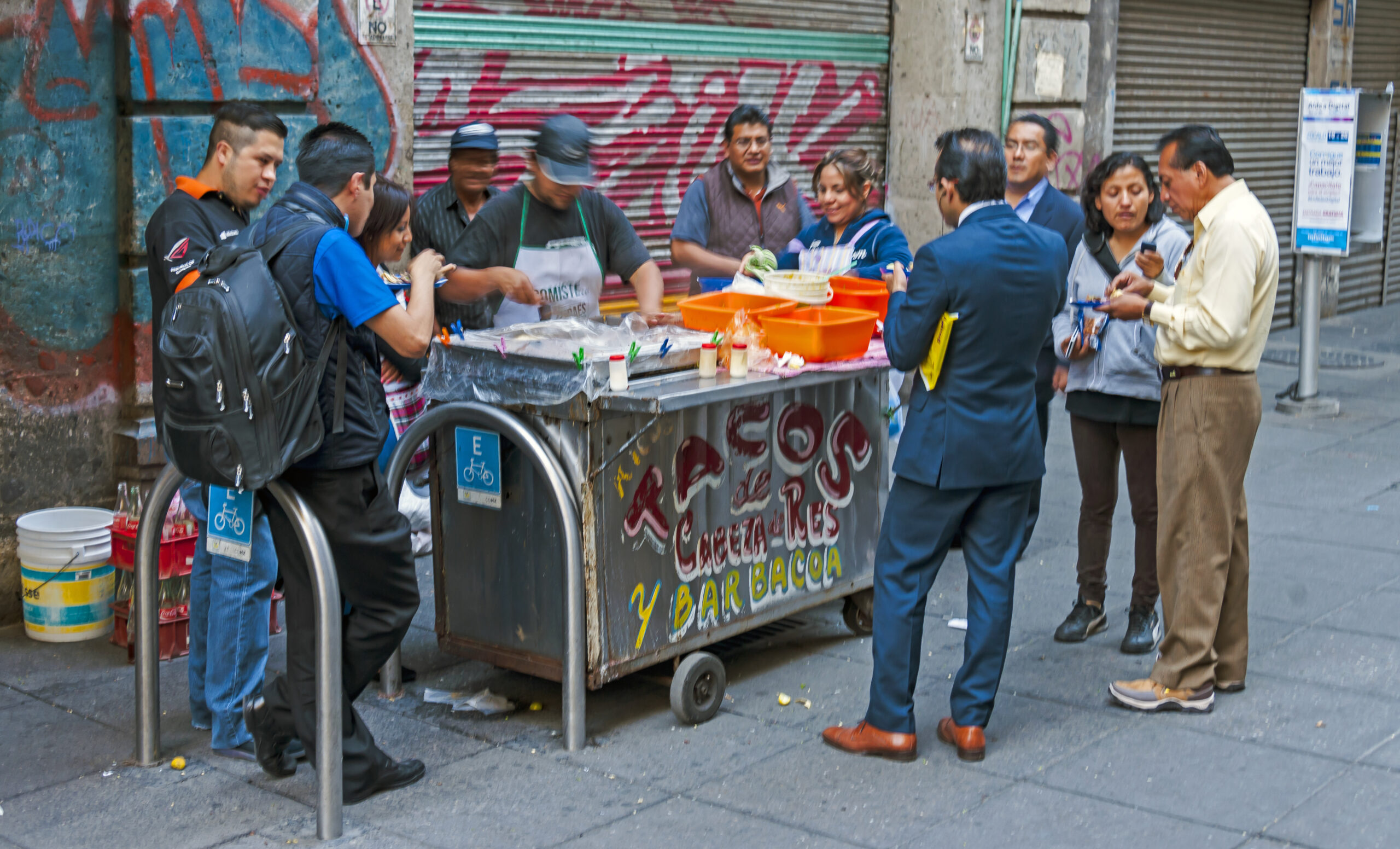
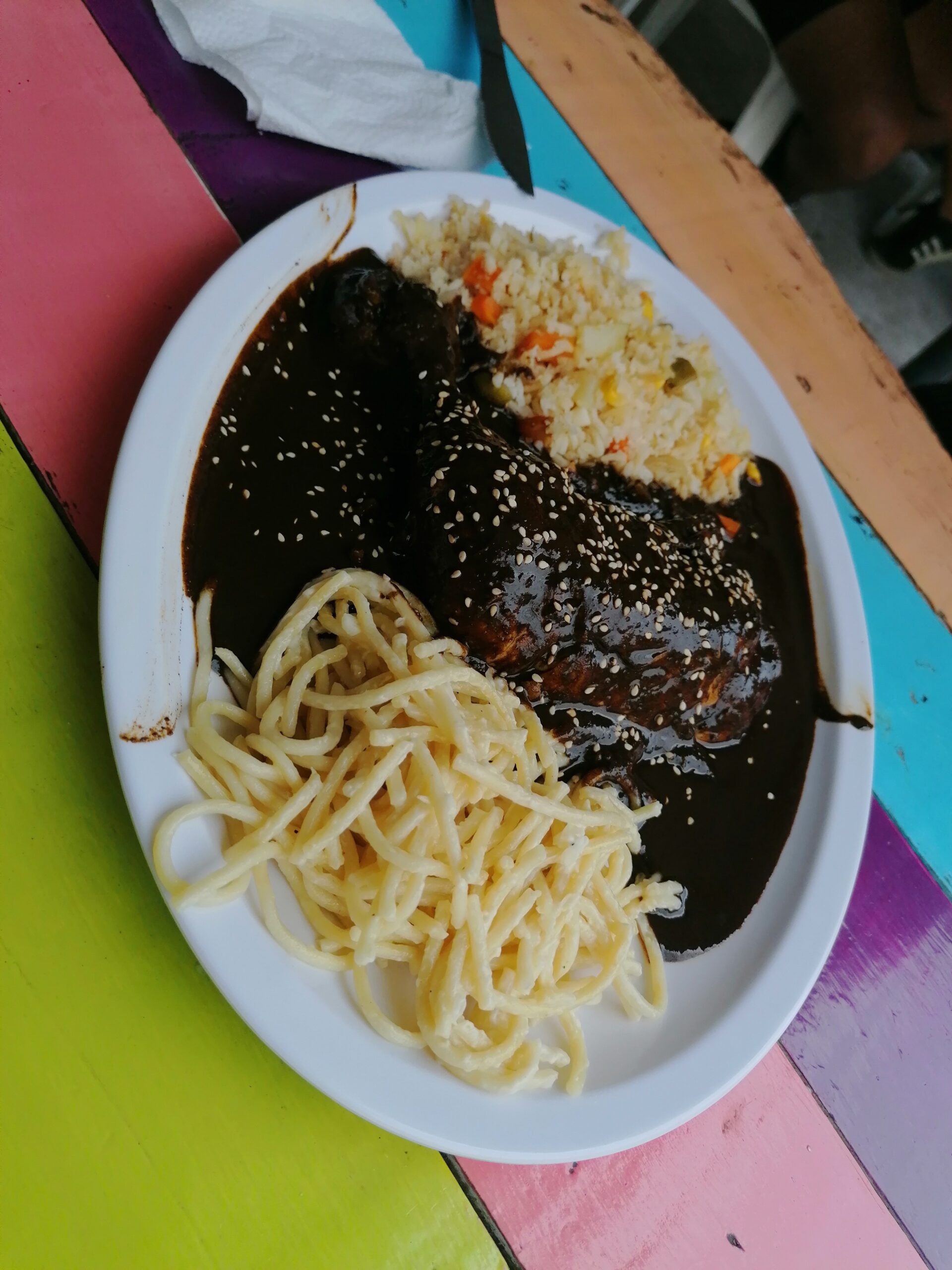
The main meal of the day in Mexico is comida (lunch), typically eaten between 2pm and 4pm. Dinner is lighter and later, 8pm to 10pm is standard in many households. If invited to a Mexican home for ‘comida,’ expect to stay for 2 to 4 hours. Leaving quickly after eating is impolite. Mexican hospitality is generous: you will be urged to eat more, and accepting food and drink is a gesture of reciprocity and respect.
At restaurants, it’s polite to greet your waiter when seated. Snapping fingers or shouting across the room is not acceptable. To get the bill, make the universal ‘signing a check’ gesture or say ‘la cuenta, por favor.’ Tipping 10 to 15% is standard, not optional. Service workers in Mexico depend on tips in ways that differ from a US-style tipped wage structure.
Tipping Culture (Expanded)
- Restaurants: 10 to 15% of the total bill, always in cash directly to the server when possible
- OXXO, supermarkets with baggers: 5 to 10 pesos per bag to the bagger (they work for tips only)
- Gas station attendants: 10 to 20 pesos for a fill-up
- Parking lot attendants (franeleros): 10 to 20 pesos when retrieving your car
- Building doormen, concierge staff: small weekly or monthly tip, especially around Mexican holidays
- Domestic workers (cleaners, housekeepers): a ‘aguinaldo’ (annual bonus) of at least 15 days’ pay by December 20, this is a legal requirement, not optional
Domestic Workers and Household Staff
If you hire a housekeeper, gardener, or nanny, Mexican labor law applies. Domestic workers have the right to: IMSS social security registration and contributions, aguinaldo (15 days minimum annual bonus), vacation time after one year, and severance pay if terminated.
Many expats pay below-market rates or ignore these obligations. This is both illegal and disrespectful. Pay fair wages (ask your local expat community what’s standard for your city), register your employee with IMSS, and treat them as the professionals they are.
Social Norms That Differ from the US

- Asking personal questions about family, age, and relationship status is normal and not intrusive, it signals interest and warmth
- Indirect communication is common, ‘we’ll try to make it’ often means ‘we won’t be there’; Mexican social niceties favor smooth exits over direct refusals
- Bargaining is appropriate at tianguis (open-air markets) and with independent vendors, not at established stores with fixed prices
- Religious observance runs deep in most of Mexico, show respect in churches, during processions, and around religious holidays
- Family takes priority over professional obligations in ways that may feel unfamiliar, a family emergency will routinely supersede a business meeting
Language and the Effort It Signals
Making an effort to speak Spanish, even badly, is received enormously well in Mexico. It signals respect and genuine engagement. The effort matters more than the accuracy. Don’t use English by default and expect translation. Learn ‘buenos días,’ ‘buenas tardes,’ ‘por favor,’ ‘gracias,’ ‘disculpe,’ and ‘no entiendo’ as an absolute minimum. Every phrase beyond that earns you goodwill.
Effort matters more than accuracy, and a few weeks of audio practice before you arrive can make greetings and usted feel natural. You can start with Pimsleur and use it alongside local classes.
The first month: five habits that earn goodwill fast
None of this takes fluency. It takes five habits, done every day for the first month, and they compound faster than any phrasebook.
- Greet the room. When you enter a room, greet every person individually, by name where you know it. A wave at the room reads as cold.
- Start with usted. Use the formal you with strangers, older people, and service providers until they invite you to switch to tú. It costs nothing and it signals respect.
- Arrive late to parties, on time to appointments. Social dinners run 30 to 45 minutes behind the invitation. INM, SAT, bank, and business meetings run close to the stated time. Mixing the two up is the fastest way to look careless in both settings.
- Accept the food. When a host urges you to eat more, accept. Refusing reads as a refusal of the hospitality, not of the calories.
- Learn six phrases before anything else. Buenos días, buenas tardes, por favor, gracias, disculpe, and no entiendo. Every phrase beyond that earns you goodwill, and the effort matters more than the accuracy.
If you arrive with those five habits already in place, the rest of this guide reads as refinements, not repairs. The Spanish guide is the companion to this one, and the tipping guide covers the numbers this guide summarizes.
The setting changes the rules: market, office, home
The same custom bends with the setting, and most expat mistakes come from carrying one setting’s rules into another.
At the market, bargaining is appropriate at a tianguis or with an independent vendor, and it is also a social exchange: greet the vendor, ask about the produce, and settle the price with a smile.
At an established store with fixed prices, do not bargain. In an office or a professional meeting in a major city, expect punctuality and directness closer to what you know from home, and use usted until the relationship warms up.
At home, as a guest, expect comida between 2pm and 4pm to last two to four hours, and do not leave quickly after eating. At church, during a procession, or around a religious holiday, the rule is simply respect: watch what locals do and follow it.
The pattern underneath is one rule: match the room. Mexico rewards people who read the setting before they act, and it forgives a lot of bad Spanish from anyone who does.
Frequently asked questions
Is it rude to arrive on time to a Mexican dinner party?
Not rude, but you may be early to an empty room. Arriving 30 to 45 minutes late to a social dinner is normal, while INM, SAT, bank and business appointments run closer to the stated time.
What does ‘we’ll try to make it’ really mean in Mexico?
Often a polite no. Indirect communication is common, so a vague yes usually means the person would rather not decline directly. Confirm warmly closer to the date, and do not take a no show personally.
Should I use usted or tú with Mexican neighbors?
Use usted with strangers, older people and service providers until they invite you to switch to tú. Using tú too quickly can read as dismissive. Regional habits differ, so watch how locals address each other.
What do I owe a housekeeper under Mexican law?
Mexican labor law gives domestic workers rights that include IMSS registration and contributions, an aguinaldo bonus of at least 15 days, and paid vacation. Confirm current rules with IMSS or a labor professional before hiring.
Is it rude to ask personal questions in Mexico?
No. Questions about family, age and relationship status are normal and signal interest and warmth. Answer openly, and if you prefer not to share, redirect politely with a question of your own.
Additional details
Verified November 2026 against this guide’s own published figures.
The aguinaldo rule and the domestic worker rights listed in this guide, IMSS registration and contributions, vacation time after one year, and severance pay, are this guide’s published statements of Mexican labor law. Confirm current rules with IMSS or a labor professional before hiring, as the FAQ already advises. Tipping amounts vary by city and by venue; treat the figures here as the guide’s standard ranges, not as fixed prices.
Keep reading: Mexican Social Customs and The Best Ways to Learn Spanish as an Expat in Mexico.
Worth keeping in mind on scouting trips too, not just after you’ve moved, check TripAdvisor reviews for cultural notes locals mention about specific venues.
Related reading: what the data says about safety in Mexico, the annual calendar of Mexican holidays and festivals, and Mexican food culture for expats.
Next step: For the setup steps in order, use the first 90 days checklist. If you want me alongside you, see the Planning Session.