
Paul Green
Founder
Paul moved to Guanajuato in 2018 and founded My Mexico Move in 2021. He writes the guides and builds the city profiles, tools and member platform.
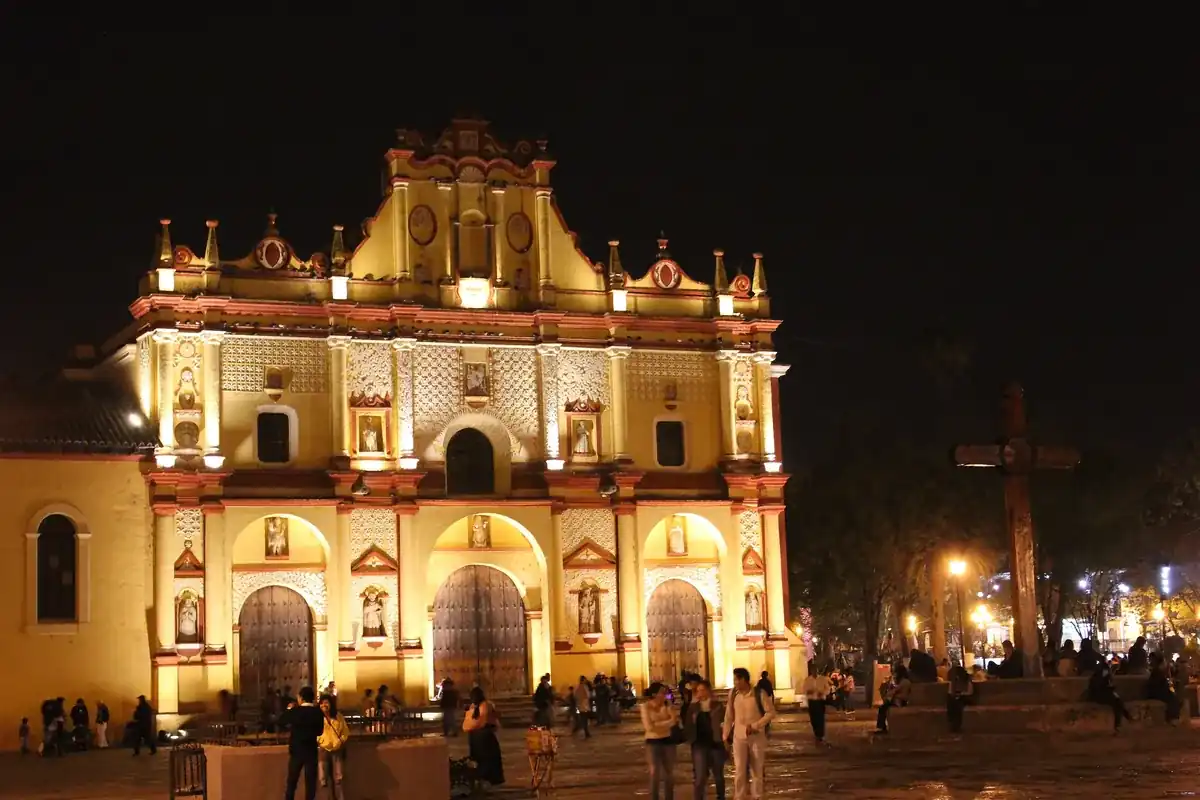
City profile · South and Gulf
A colonial highland city of about 200,000 in Chiapas, built around indigenous Tzotzil and Tzeltal culture, coffee, and a walkable historic center. Cool mountain weather, very low costs, and a strong remote-worker and artist scene, with real trade-offs in remoteness and infrastructure.
Verified November 2026
Advisory note: Chiapas is at Level 3 (Reconsider Travel) in the US State Department Mexico advisory dated 11 August 2026. Advisory levels change, so read the current advisory before you commit, and check it again before any trip. This profile is guidance and education, not legal, tax or immigration advice.
San Cristóbal, everyone just calls it San Cris, sits at about 2,200 meters in the Chiapas highlands, and it feels like a different country from beach Mexico. Cobblestone streets, a pedestrian-only main drag (the Andador Eclesiástico, also called Real de Guadalupe), colonial churches on every hill, and markets where Tzotzil and Tzeltal vendors sell textiles, amber, and coffee. It's a designated Pueblo Mágico, and the tourism is real, but the city belongs to its residents first: a university town, an artisan town, and a deeply indigenous region's urban center.
The foreign community skews younger and more alternative than the retiree-heavy beach cities, digital nomads, Spanish students, artists, NGO workers, and long-stay travelers. Café culture is excellent, coworking spaces exist, and the social scene is easy to enter. It is also, plainly, one of the cheapest pleasant cities in Mexico to live in.
San Cristobal is a highland town you walk, and its center is the whole of it. The Centro Historico, around the Zocalo and the Plaza de la Paz, is flat, compact and walkable: the cathedral, the Andador Guadalupe pedestrian street, the markets, the cafes and the restaurants within a few blocks, with the beautiful colonial streets that make it one of the most pleasant centers in Mexico. The barrios beyond the center, El Cerrillo, La Merced, Guadalupe and Mexicanos, are a five to twenty minute walk from the center, with the cobbled streets and the steep steps of El Cerrillo as the town's most charming walk. Local buses and colectivos run the main avenues for a few pesos, taxis are cheap and plentiful, and ride-hailing works in the center. A car is useful but not required, and it becomes the default for a longer stay in the outer barrios, where distances stretch and the market runs are further. The airport is the Tuxtla Gutierrez airport, about an hour east, with flights to the main Mexican hubs, and the city of Tuxtla is the state's capital and its commercial center, about an hour by road. Driving is a highland-town experience: the streets are cobbled and steep in places, parking in the center is tight on a weekend, and the mountain roads to Tuxtla are good but winding. The practical rule is to live in the center or in El Cerrillo if you want to walk, and to budget for a car if you choose the outer barrios.
The colonial center around Plaza 31 de Marzo and the pedestrian Andador. Cafés, museums, markets, and nearly everything walkable. The default choice for newcomers; rents are the highest in town but still low by any outside standard.
A traditional residential barrio uphill from Centro, centered on the Guadalupe church and its viewpoint. Quieter, more lived-in, popular with longer-stay expats who've graduated from the center.
The artsy barrio near the Arco del Carmen and the Santo Domingo artisan market. Galleries, craft shops, and a creative, laid-back feel.
Livelier and more local in character, built around the Templo de la Merced with a strong market and artisan-workshop presence. Good value, less polished.
Close to Centro and its cultural venues, frequently recommended for an authentic residential stay without the tourist foot traffic.
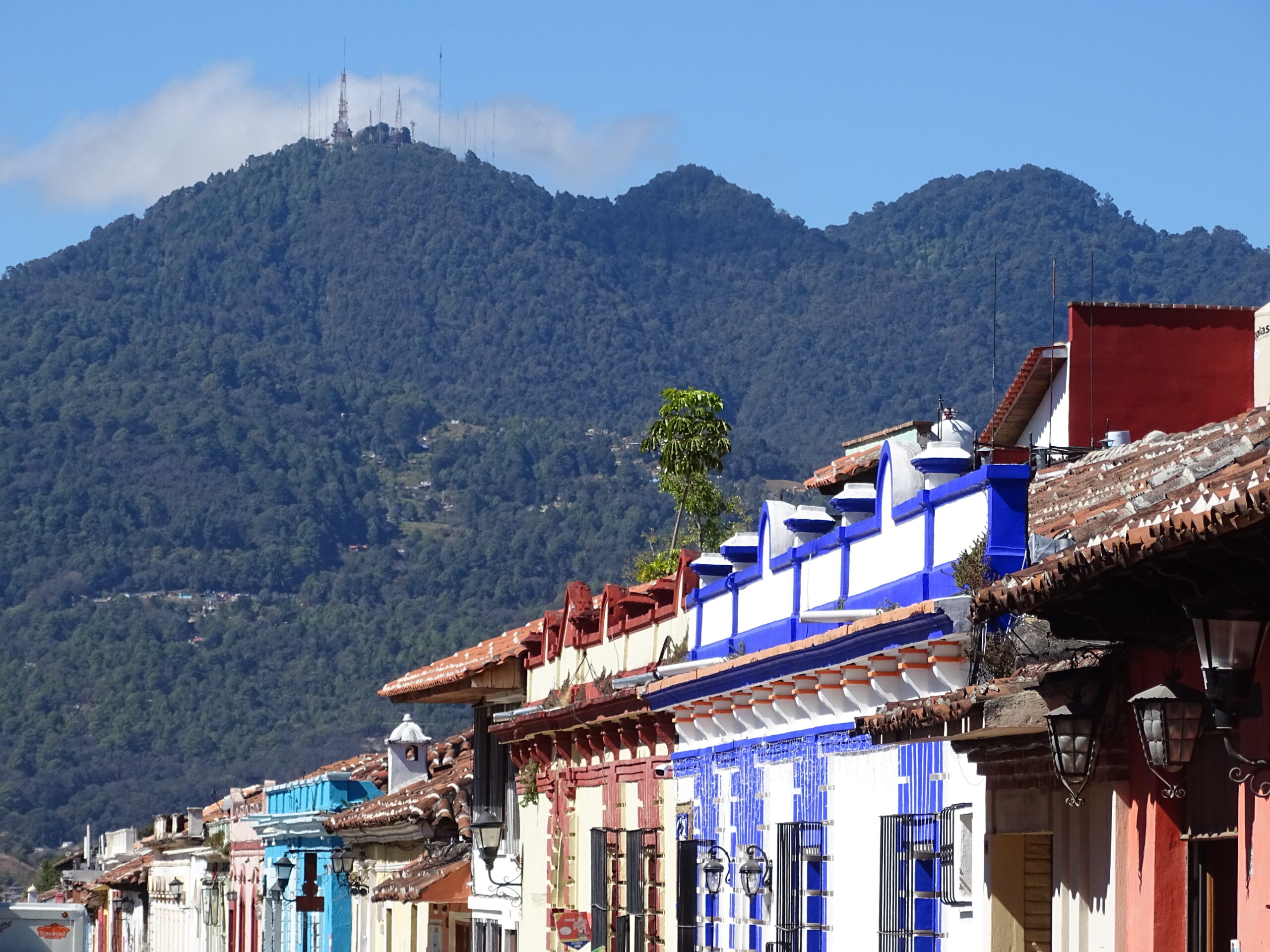
San Cristobal shops through its markets, and the markets are the town's strongest card. The Mercado de Santo Domingo, the artisanal market, is where the town's textiles, crafts and amber are sold, and the Mercado de la Merced and the daily markets in each barrio carry the produce, the meat and the flowers. The weekly shop is at the supermarkets in the center and on the edge of town, with the big stores carrying the household shopping. Eating out is affordable and excellent, with the restaurants of the center and the Andador Guadalupe at local prices and the cafes of El Cerrillo at the same. The city's food is a mix of Chiapaneco and international cooking, with the market stalls and the restaurants serving the coffee, the chocolate and the highland food that the state is known for. A couple cooking at home and shopping at the markets can eat very well on a modest grocery budget, and the town's prices are among the lowest in this set.
San Cristobal has a small and distinctive expat community, and it is heavily weighted toward the creative, the activist and the spiritual: artists, writers, researchers and the people who came for the town's culture, not for a resort. The community concentrates in the center and in El Cerrillo, and it gathers through the expat Facebook group, the language exchanges, the cafes of the Andador Guadalupe, the galleries and the Casa Na Bolom museum and hotel, which is the town's cultural center. English is understood in the visitor-facing businesses and in the more international cafes, but the town's daily life, its bureaucracy and its neighborhood social life run in Spanish, and a newcomer should expect to need Spanish from the first month. The honest trade is that San Cristobal's expat life is a melting pot rather than a club: the town is a center for Mayan culture and highland Chiapas, and the foreign community is part of it, not separate from it. The social calendar is a cultural calendar: the galleries, the festivals, the music and the politics, not a retiree club.
Rent character, from the research above: the long-term market is genuine and untouched by Airbnb pressure, with furnished studios with colonial features, tile floors and beamed ceilings, listing at MXN 5,000 to 8,000 a month through the Facebook groups and handwritten signs on doors. Landlords in barrios such as Tlaxcala and El Cerrillo prefer a one-month cash deposit and WhatsApp communication, and negotiating a three-month stay often brings the price down ten to fifteen percent. A family house in the outer barrios runs MXN 9,000 to 14,000 a month, and the town's rents are among the lowest in this set.
San Cristobal is outside the restricted zone: it sits inland and in the highlands, more than 50 kilometers from the coast and more than 100 kilometers from the border, so a foreign buyer can hold direct title without a fideicomiso, subject to the normal notary and registration process. This is guidance and education, not legal or financial advice: use a Mexican notary, verify title, and in a market where much of the housing is colonial and old, verify the structural condition, the water and the access before any money moves. The market's shape, from the research above: the long-term rental market is genuine and untouched by Airbnb pressure, with the studios and family houses at the lowest prices in this set, and the buying market follows it: a colonial house with the tile floors and beamed ceilings that the town is known for, in the center or in El Cerrillo, is the property most residents name first. There is no reliable public price per square meter we could verify for San Cristobal, and we say so rather than invent one: the honest way in is to rent a season in the barrio you are considering, learn the town's hills and its seasons, and buy only after you know whether you want the center or the outer barrios.
Adequate for basics, limited for the serious stuff, be honest with yourself about this one. Local clinics handle everyday needs cheaply (consultations in the $20–30 range), and there are private options including Hospital HOSCEM, Sanatorio Dr. Bonilla, and Hospital de las Culturas. But specialist and hospital care is thinner here than in larger cities, and most residents facing major procedures go to Tuxtla Gutiérrez, about an hour away. If you have a complex or ongoing medical condition, factor that drive, or that relocation calculus, in from the start.
| Facility | Type | What the profile says |
|---|---|---|
| Hospital HOSCEM | Private hospital | San Cristobal Hospital and Medical Center, Periferico Sur |
| Sanatorio Dr. Bonilla | Private hospital | Private option in the city |
| Hospital de las Culturas | Private hospital | Private option in the city |
| Local clinics | Clinic | Handles everyday needs |
| Consultation | Typical price | $20 to $30 |
| IMSS and ISSSTE hospitals | Public hospitals | Serve residents who hold public coverage |
San Cristobal's healthcare bench is adequate for the basics and limited for the serious stuff, and the healthcare section above names the top of it. The local clinics handle everyday needs cheaply, with consultations in the $20 to $30 range, and there are private options including HOSCEM, the San Cristobal Hospital and Medical Center on Periferico Sur, Sanatorio Dr. Bonilla and Hospital de las Culturas. The public hospitals, including the IMSS and ISSSTE hospitals, serve residents who hold public coverage. Specialist and hospital care is thinner here than in larger cities, and most residents facing major procedures go to Tuxtla Gutierrez, about an hour away, which is the state's capital and its commercial center. IMSS voluntary enrollment is the public route for residents, and private insurance is the route for those who want private hospitals without paying cash at the door. For the most complex cases, the standard move is Tuxtla Gutierrez, about an hour away, or Mexico City for the rest. Anyone with a complex or ongoing medical condition should factor that drive, and that relocation calculus, in from the start.
San Cristobal suits a retiree who wants a cool, cultured, highland town with a low cost base, and who is comfortable in a town where Spanish runs the daily life. The monthly math is about $800 to $1,400 in the profile snapshot, and a studio with colonial features lists at MXN 5,000 to 8,000 a month, which is among the lowest in this set. El Cerrillo suits the retiree who wants the best overall neighborhood for a longer stay; the center suits the retiree who wants the culture and the cafes at the door; the outer barrios suit the retiree who wants a full house, a garden and mountain views. It fits less well for a retiree who needs frequent specialist care, since the serious bench is an hour away in Tuxtla Gutierrez, for a retiree who wants a warm climate, since the highlands are cool and the nights are cold, or for a retiree who wants an English-speaking environment without learning Spanish. A scouting stay in the cool season, when the town's climate is at its most demanding, is the honest test.
San Cristobal is a remote-work town by reputation and increasingly by fact, as digital nomads arrive on the town's quietly improving connectivity. The town's cafes double as offices, with the coworking spaces including the two locations of the town's cafe-coworking on Calle Paniagua and in the Cerrillo neighborhood on Calle Comitan, and the internet in a good building is adequate for video calls, but it varies by barrio and by street, so verify the actual speed in the specific house before signing a lease. The town's own reporting is frank about the season: the town is affordable, and a couple can live on about $1,500 a month, with apartments at MXN 5,000 to 8,000 for local housing and MXN 10,000 to 15,000 for a nice one- to two-bedroom apartment. There is almost no local employment market for a foreigner beyond tourism and hospitality, and working locally needs the correct residency and permissions. The town's university and research layer, including the Colegio de la Frontera Sur, known as ECOSUR, gives it an academic community that the resort towns lack. For a remote worker whose salary arrives over the internet, San Cristobal is one of the best-value bases in Mexico.
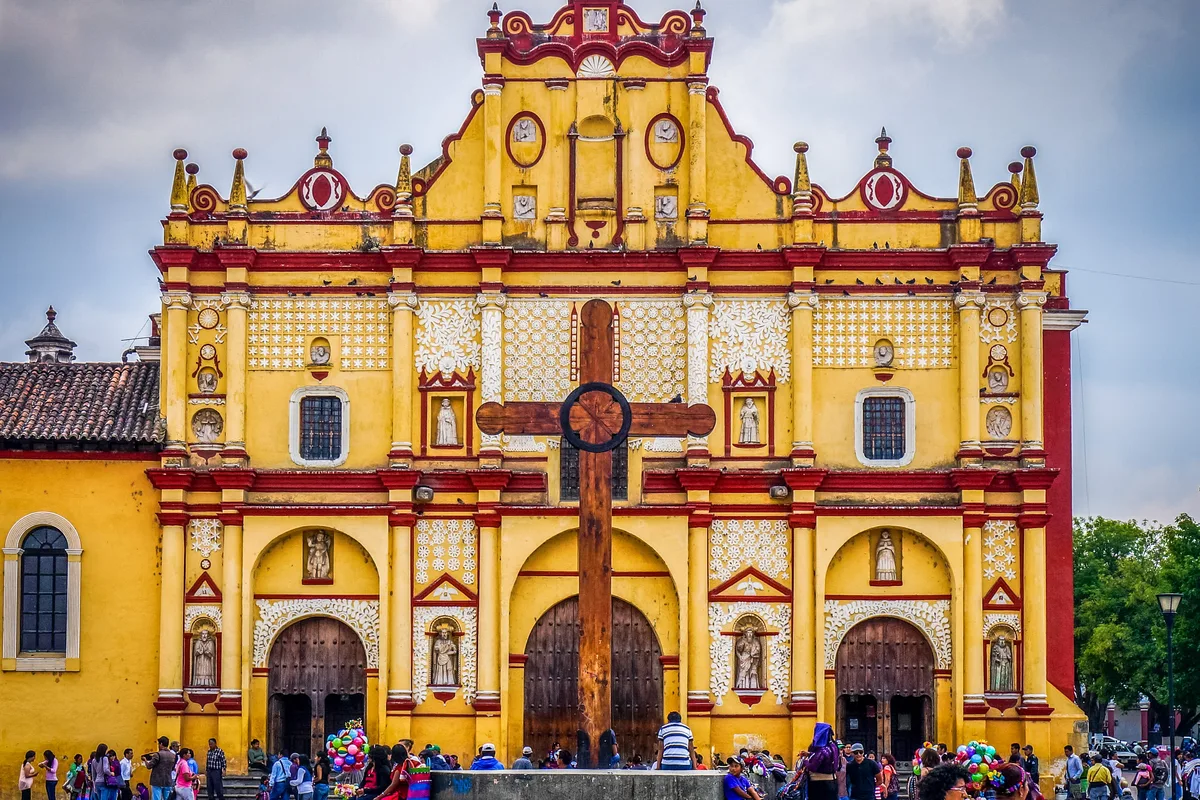
Good news here: San Cristóbal has its own INM Representación Local, listed at Diagonal Hermanos Paniagua No. 28, Barrio San Ramón, open to the public Monday to Friday 9:00–15:00, so canje and renewals can be handled in town without the trip to Tuxtla Gutiérrez. (The state-level office sits in Tapachula, but day-to-day residency trámites for San Cristóbal residents go through the local office.) Confirm hours before planning appointments, as they can shift. The federal requirements are the same as anywhere.
Families come to San Cristobal for the culture, the cool climate and the low cost, and they stay when the town's scale suits them. El Cerrillo is the neighborhood most family reporting names first, with a quiet, residential feel and the schools close by, and the outer barrios suit families who want a full house and a garden. Daily family life works best on foot in the center and in El Cerrillo, and the markets, the museums and the highland food give children a daily life that is mostly outdoors. The honest trade is the town's scale: a small community is a warm community, and it is also a small one, with the wider choice in Tuxtla Gutierrez, an hour away, and the nearest university campus in Tuxtla as well.
What we could not verify in this pass is a current list of the bilingual or international schools in town by name, with their ages served and fees, so families should treat school choice as a research task to complete in person: the town is large enough that the options exist, but naming a specific school without verifying its current program would be a guess, and we flag the gap rather than fill it.
Food in San Cristobal is a highland food and a cheap one. The markets in the center carry the produce and the local cooking, and the restaurants of the Andador Guadalupe and the center serve Chiapaneco and international food at local prices, with the town's coffee and chocolate as the signature. Eating out is affordable and excellent, and the town's cafes are among the best in Mexico. Groceries are a market habit as much as a supermarket one, and the supermarkets cover the weekly shop.
Evenings are lively in the center, with the bars and restaurants around the Zocalo and the Andador Guadalupe, and in El Cerrillo, with the cafes and the galleries, while the outer barrios wind down early. San Cristobal's nightlife is a highland nightlife: the university districts, the bars on the main streets and the live music that the town is known for, with the late-night crowd younger and more local than in the resort cities, which is exactly why it suits a resident rather than a visitor. Barrio de Guadalupe is the district most reporting names for the best nightlife in town.
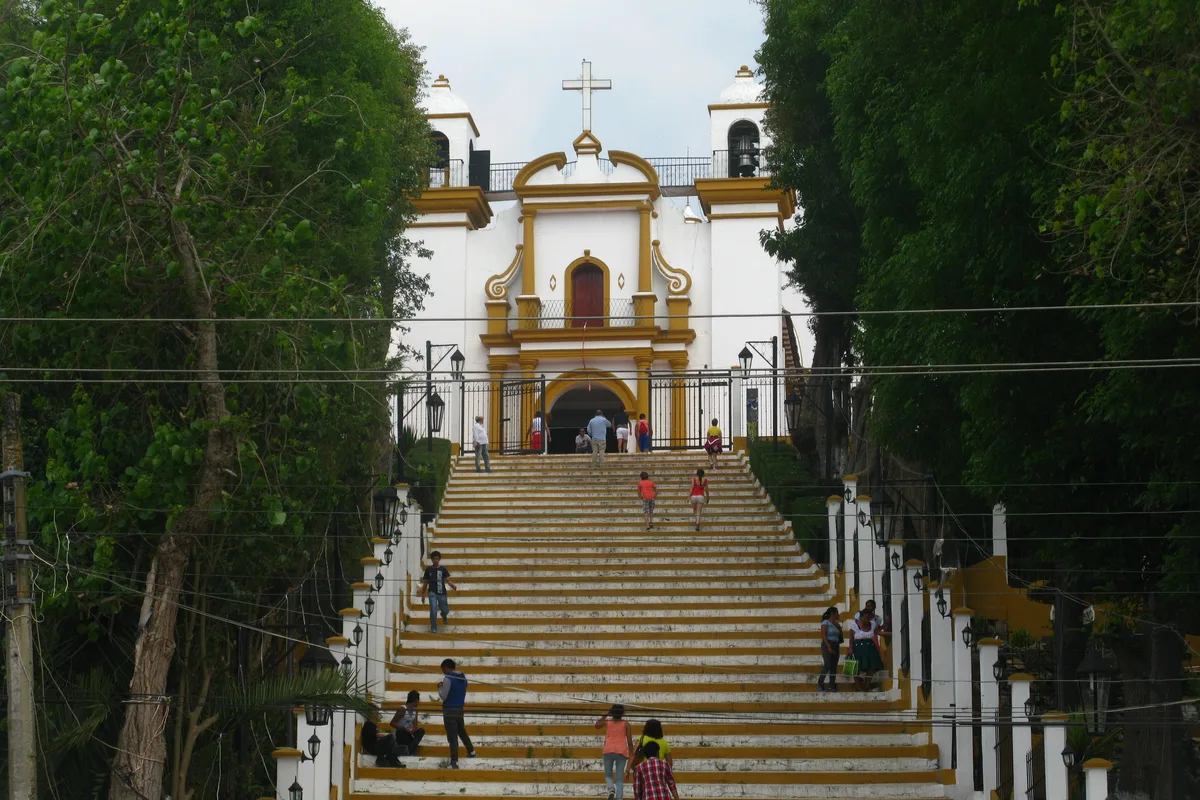
San Cristóbal itself is widely described as safe and walkable, with no no-go neighborhoods. The US advisory rates Chiapas Level 3 (reconsider travel), but that caution is aimed at remote rural areas, not the city, Canada's advisory explicitly excludes San Cristóbal from its avoid-travel zones in the state. In town, the realistic concerns are petty: pickpocketing in markets and crowded streets, occasional bag or phone snatching. Standard city precautions cover it: well-lit routes at night, registered taxis, valuables discreet.
The honest caveats are regional, not urban. Rural road travel in Chiapas needs more care, avoid rural roads at night, stick to toll roads where they exist, and expect occasional protest roadblocks (bloqueos) that can close highways for hours or days. And the surrounding indigenous communities deserve genuine respect: follow local norms, especially around photography in places like San Juan Chamula, and don't insert yourself into local disputes.
Verified November 2026 against the US State Department Mexico advisory dated 11 August 2026, which rates Chiapas at Level 3 (Reconsider Travel). Advisory levels change, so read the current advisory before you commit, and check it again before any trip.
This is genuinely one of Mexico's cheapest cities for the quality of life on offer. A single person can live on roughly $800–$1,400 USD per month all in, around $800 living local-style, up to $1,400 comfortable with dining out, coworking, and activities. A one-bedroom apartment runs $250–$500/month in or near the center; larger houses on the outskirts can go higher but rarely need to. Street food and market produce are remarkably cheap, and there's no air-conditioning bill, ever. The costs that surprise people are the ones tied to remoteness: imported goods, and travel in and out.
| Item | Figure | Basis |
|---|---|---|
| Monthly total, one person | $800–$1,400 | All in; around $800 living local-style, up to $1,400 comfortable |
| Rent, one-bedroom in or near the center | $250–$500 | Per month |
Turn these numbers into your eight-stage plan.
Subtropical highland: mild days of 20–24°C nearly year-round, and cold nights of 5–12°C, sometimes near 4°C in December through February. Rainy season runs roughly June through September, with afternoon downpours and occasional flooding in low-lying colonias. You'll never need air conditioning. You will need layers, always, and note that most homes have no heating, the damp highland chill gets into everything in winter.
Average high and low temperature by month, with monthly rainfall. Dark bars are average highs, pale bars are average lows.
Rainfall by month, in inches.
| Month | Average high | Average low | Rainfall |
|---|---|---|---|
| Jan | 70°F (20.9°C) | 41°F (5.1°C) | 0.4 in (9.9 mm) |
| Feb | 72°F (22.0°C) | 42°F (5.3°C) | 0.3 in (8.5 mm) |
| Mar | 74°F (23.2°C) | 44°F (6.6°C) | 0.6 in (16.0 mm) |
| Apr | 75°F (24.0°C) | 47°F (8.5°C) | 1.5 in (37.2 mm) |
| May | 74°F (23.1°C) | 51°F (10.5°C) | 5.5 in (140.4 mm) |
| Jun | 72°F (22.0°C) | 53°F (11.9°C) | 9.3 in (236.0 mm) |
| Jul | 72°F (22.4°C) | 51°F (10.8°C) | 5.6 in (141.9 mm) |
| Aug | 73°F (22.5°C) | 52°F (11.2°C) | 7.2 in (183.0 mm) |
| Sep | 71°F (21.9°C) | 53°F (11.5°C) | 9.1 in (231.8 mm) |
| Oct | 71°F (21.5°C) | 51°F (10.4°C) | 4.2 in (106.4 mm) |
| Nov | 70°F (21.0°C) | 46°F (7.9°C) | 1.3 in (32.8 mm) |
| Dec | 69°F (20.4°C) | 43°F (6.3°C) | 0.4 in (9.2 mm) |
Source: Servicio Meteorológico Nacional, La Cabaña station 07087, 1991–2020 normals.
Stay in or right next to Centro, hotels, hostels, and short-term rentals along and around the Andador put the whole city at your feet and let you test the walkable life that draws most newcomers. For a longer or quieter scouting stay, Barrio de Guadalupe offers residential rentals a short walk from the center with a more settled feel. Time your visit deliberately: come once in the dry season (November–April) and, if you can, once in the rainy season, the city's mood, the road conditions, and your tolerance for the damp cold are all things you want to experience before committing. Spend a weekday doing ordinary things: grocery shopping at the market, a coworking day, an evening walk home after dark. And take the shuttle to Tuxtla Gutiérrez at least once, because that hour-long trip is part of your future life here, for specialist doctors and flights.
Stay a month in the neighborhoods you would actually live in: monthly stays in San Cristóbal de las Casas, with hotels and rentals for San Cristóbal de las Casas gathered in one search.
Disclosure Affiliate link: if you buy or book through it, we may earn a commission at no extra cost to you. The full disclosure
Stay22 searches Expedia, Booking.com and more for current San Cristóbal de las Casas stays and shows them together, with live prices. Start with the neighborhoods this profile points you to.
“San Cris is the best value in Mexico for budget movers and remote workers who want walkable mountain life, but be honest with yourself about the remoteness before you commit.”
If you need to be near an international airport, want hot weather, or have significant healthcare needs, it's probably not your city, and that's a fine call to make. But if cool air, café culture, and very low costs are the point, few cities in Mexico give you this much daily life per dollar.
City data reflects 2026 research and published listings; figures are estimates, not guarantees. Where source data was unavailable, values show "Not published." INM office addresses and hours shift, confirm before planning appointments.
San Cristóbal de las Casas’s headline tours and tickets, bookable through GetYourGuide:
Affiliate links: if you book through GetYourGuide here, we may earn a commission at no extra cost to you. See the Affiliate Disclosure.
The one page brief carries this profile’s snapshot costs and rent, its healthcare frame and, where the profile states one, its advisory note, printed word for word.
No ratings yet. The average appears after 5 ratings, so one score cannot pose as a verdict. To rate this city profile, leave a comment below and pick your stars in the comment form. First comments are held for a quick moderation check before they appear.
Corrections and first-hand tips are welcome. Keep comments on topic and kind, and please do not share personal immigration case details here. Read the Comment Policy before posting.
Find Your City in Mexico walks the main destinations through cost, safety, climate, healthcare and community, in order.
money back guarantee
Who’s behind the site
We are Paul and Adriana, and we run My Mexico Move together: Paul from the guides and the platform side, Adriana from Guanajuato, where she leads our partnerships and the ground work behind every profile.
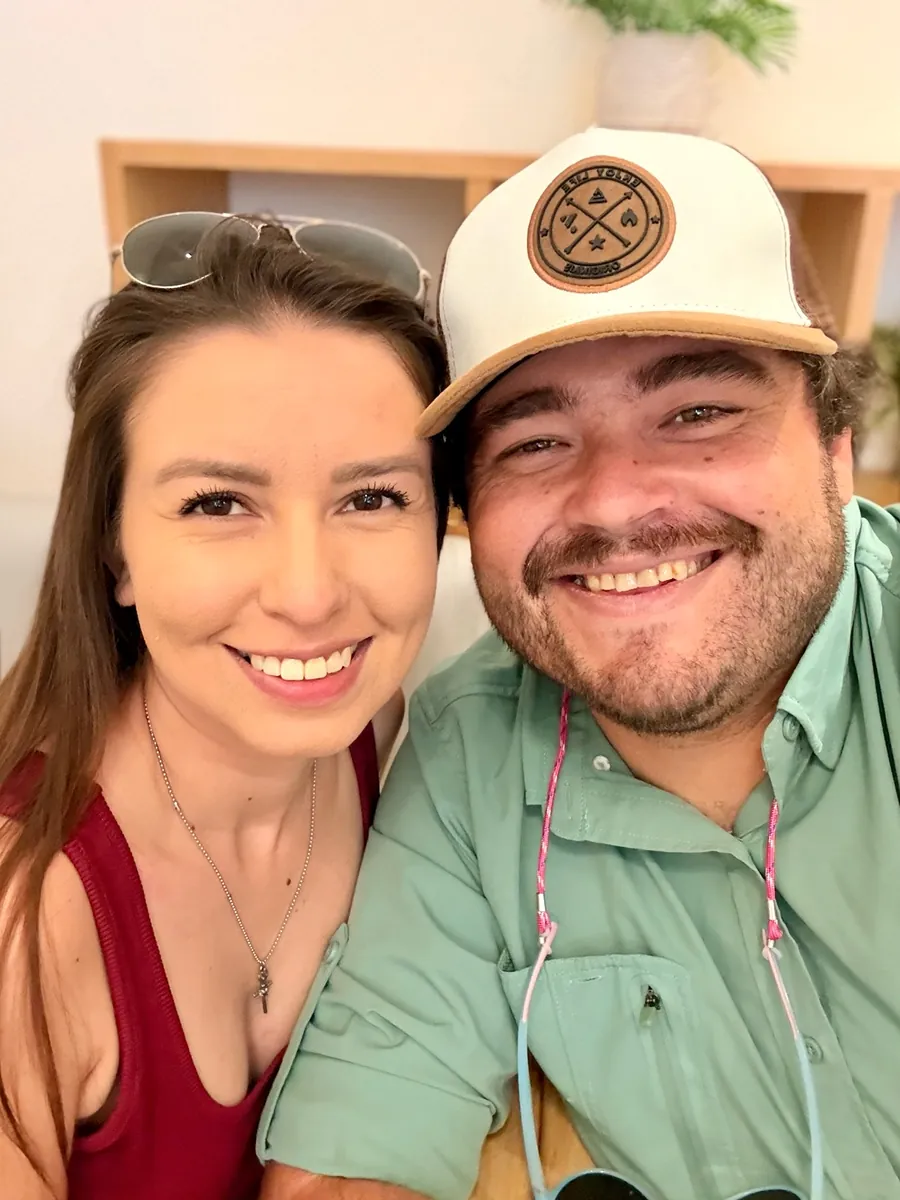
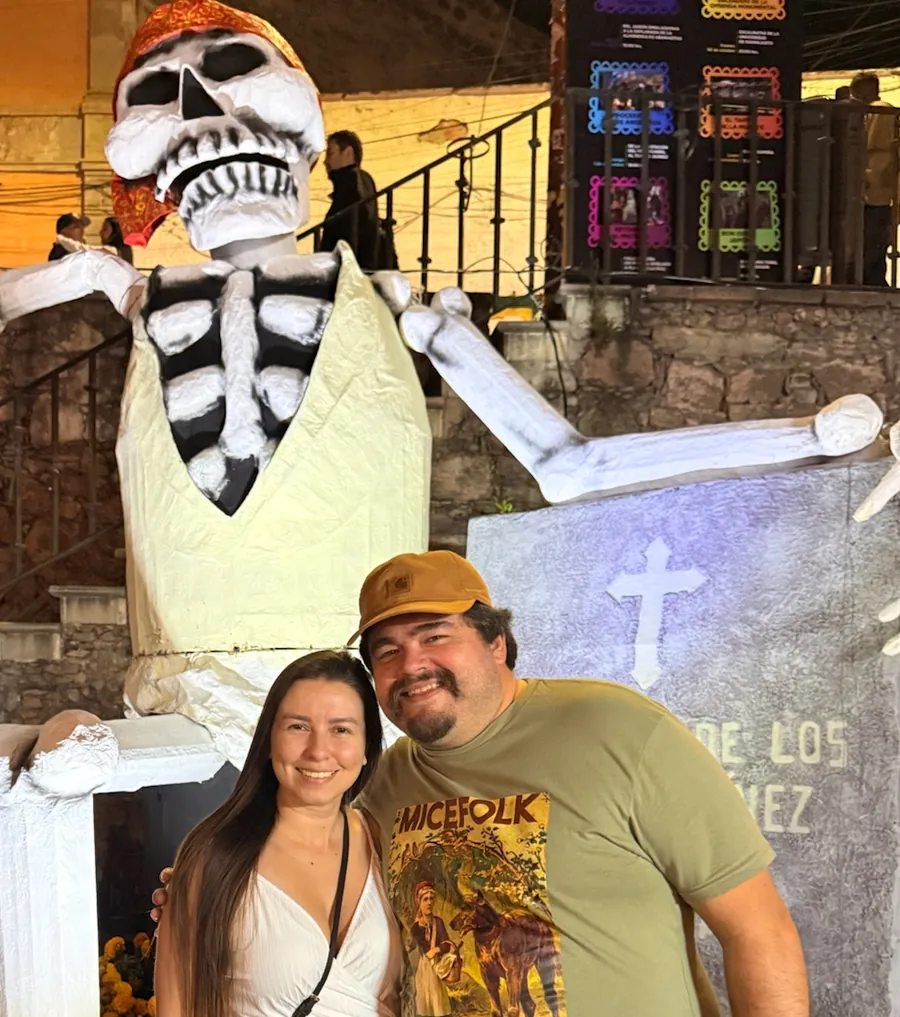
Founder
Paul moved to Guanajuato in 2018 and founded My Mexico Move in 2021. He writes the guides and builds the city profiles, tools and member platform.

Partner
Adriana Vaca is Paul’s partner and leads partnerships and operations at My Mexico Move. Based in Guanajuato, she builds the relationships with the Mexican businesses in our directory, reviews our Spanish-language content so it reads the way it should, and runs the Mexico ground work our guides and city profiles depend on. A broadcaster by trade, she presented on Exa FM Irapuato and has worked as a commercial voice talent since 2017. Her studio, Voice con Vida, produces the audio across our sites.
Say hello any time, or write to us through the contact page.