
Paul Green
Founder
Paul moved to Guanajuato in 2018 and founded My Mexico Move in 2021. He writes the guides and builds the city profiles, tools and member platform.
City profile · Coahuila
A small walk-across border city where Texans come for doctors, dentists and cheaper shopping, and where a low rent buys a front-row seat to two countries.
Verified November 2026
Ciudad Acuna is a small border city in the north of Coahuila, on the Rio Grande (the Rio Bravo on the Mexican side), directly across the river from Del Rio, Texas. The 2020 census counted 160,225 people in the city and 163,058 in the municipality (INEGI, via Data Mexico), making Acuna the fifth largest city in Coahuila. It is not a resort, not a colonial showpiece and not an expat town. It is a working border city of maquiladora factories, family shops and cross-border daily life, and its whole reason for being on this site is the walk across the bridge: Texans come south for doctors, dentists, opticians, pharmacies and shopping that cost less than in Del Rio, and Acuna residents cross north to shop in Del Rio, and the two cities function as one place split by a river.
The history is a border story. The first settlement was recorded on 27 December 1877, founded by colonists led by Domingo Urias, Irineo Casillas Arevalo and his wife Maximina Espinoza. The town was called Garza Galan when it received villa status in 1880, then Congregacion las Vacas in 1884, then Villa Acuna in 1912, named for the Saltillo poet Manuel Acuna, and it became Ciudad Acuna on 16 September 1951 (Wikipedia). The Del Rio to Ciudad Acuna International Bridge opened in 1930 and was rebuilt in 1987; it is 620 metres long, four lanes, with two pedestrian walkways. A second crossing runs over the Lake Amistad Dam, with border inspection stations built in 1969. Filmgoers know the town as the border town of Robert Rodriguez's El Mariachi, and country fans know it from George Strait's Blame It on Mexico.
The honest bargain is simple. You get some of the lowest rents on this site, a US city five miles away, and medical and dental care at Mexican prices within walking distance of Texas. What you give up is the infrastructure most foreign retirees take for granted elsewhere: there is almost no English-speaking community, no verified international school, no big hospital in town for serious care, and Coahuila sits at Level 3 in the US State Department advisory, which changes how you travel, when you travel and where you go after dark. If you are a Texan who wants a cheap base within walking distance of home, or a Spanish speaker who wants a real border city at real border prices, Acuna is worth a serious look. If you need a large hospital in town, a dry mild climate, or an expat bubble, look elsewhere, starting with Los Algodones, the other border medical town on this site.
Travel advisory: Coahuila is at Level 3 (Reconsider Travel) in the US State Department Mexico advisory dated 11 August 2026. US government employees may travel to Acuna only via the United States through the Del Rio Port of Entry, and must observe a curfew from midnight to 6 a.m. The full picture, including what that level does and does not mean for Acuna, is in the Safety section below.
Acuna is a flat border city laid out on the Spanish grid, and the centre is easy to learn. Daily life in Centro is walkable: the bridge, the main streets, the banks, the pharmacies and the bus stops are all within a short walk of each other. Calle Hidalgo runs south from the bridge past the bars and shops of the old border strip, including the Corona Club at Hidalgo 200, two blocks south of International Bridge Number 1. The streets are flat and the distances are short. If you can walk on flat ground in summer heat, you can walk in central Acuna.
The crossing itself is the transport story. The Del Rio to Ciudad Acuna International Bridge has two pedestrian walkways, so you can walk across the Rio Grande in a few minutes, pay the pedestrian toll, and be in Centro. You need evidence of US citizenship, such as a passport book or card, to enter Mexico by land, and if you stay within 20 kilometres (12 miles) of the border for six days or less you do not need an FMM entry permit (US State Department advisory). The second crossing, over the Lake Amistad Dam, connects to Texas Spur 349 and US Route 90 on the American side and Federal Highway 2 on the Mexican side, and suits drivers heading to the reservoir rather than walkers heading downtown. Del Rio is about five miles from Acuna (LuxWisp, October 2026), and the bridge is the practical link, not a formality.
Local buses and taxis cover the city, according to the October 2026 LuxWisp guide, but no verified local bus network, ride hailing coverage or taxi fare table is published on this page, and you should confirm both on the ground before deciding to live without a car. There are no scheduled flights to Ciudad Acuna International Airport (ACN) and none to Del Rio International Airport (DRT) across the border. The closest major airport with scheduled commercial flights is San Antonio International Airport (SAT), 285 kilometres to the north (Wikivoyage). That distance is the real transport cost of living here: a flight home means a drive to San Antonio, and serious medical care means the same road.
Where you land in Acuna matters less than in a hill city, because the ground is flat and the centre is compact, but the feel still changes from one area to the next.
Centro Historico. The streets around the bridge end, Calle Hidalgo, the main square and the Santa Maria de Guadalupe parish. The most walkable choice, the noisiest at festival time, and the best place to live without a car. Older houses and apartments above shops, with the pharmacies, dentists and restaurants a short walk away, and the bridge itself at the end of the street.
28 de Junio. The older residential area around Calle Pino Suarez, home to the old military barracks, the Cuartel Militar Antiguo, which offers a vantage point over the city and the United States. Quieter than Centro, still close to the bridge, and residential rather than commercial in feel.
San Andres. The neighbourhood around Calle Vicente Guerrero, south of Centro, where family restaurants such as Siete Uno sit among houses rather than tourist bars. More lived-in and less border-strip than the streets by the bridge, and a better fit for someone staying months rather than days.
The newer residential areas. The subdivisions spreading south and west of the centre, where newer houses sit behind the main roads. Quieter streets and more space than Centro, and more car dependent. No verified per-neighbourhood rent table is published on this page. The honest way to choose is a scouting stay: a week in Centro and a week further out will tell you more than any rent table could, and a week that includes a walk across the bridge at different hours will tell you whether the border rhythm suits you.
Daily shopping in Acuna splits three ways: the market and the neighbourhood shops, the supermarkets, and the crossing itself. The Wikivoyage guide notes a lot of handicraft materials and fabricated goods among the city's mercados and workshops, and the streets near the bridge carry the souvenir shops, pharmacies and small stores that serve day visitors from Texas. No verified market name, address or opening hours are published on this page, so do not plan your weekly shop around a named market until you have walked it yourself.
The crossing is the second supermarket. North Country Public Radio, reporting from the border, notes that residents of Coahuila cross the other way to shop at Wal-Mart and other outlets in Del Rio that offer lower prices than Mexican stores on other goods, while Americans head south for healthcare and for goods and services that are cheaper in Acuna than in Del Rio. That two-way shopping is the daily economy of the place: Mexican prices for medicine, dental work and services, American prices for imported goods, electronics and brands. Imported goods on the Mexican side cost more and are patchy, so most residents cook with what the local shops sell and treat the Del Rio run as part of the week, not a special trip.
Acuna has a very small foreign presence, and that is the fact that shapes everything else on this page. There is no large English-speaking enclave, no expat club, no English-language meetup and no verified expat count published on this page. North Country Public Radio, in its border reporting, put it at maybe 25 percent of the folks being bilingual, a figure from its 2006-era reporting that is quoted here as history, not as a current count. You will make Mexican friends because you will have to, and your Spanish will improve because daily life requires it. For many people that is exactly the appeal. For people who want an instant English-speaking social world on tap, it is a real adjustment.
The foreign presence that does exist is different from the retiree enclaves further south. It is Texans crossing for the day, cross-border families who live on one side and work or study on the other, and a small number of Americans who have settled on the Mexican side for the cost of living while keeping their lives anchored in Del Rio. Where foreigners gather is informal: the bridge-end bars and restaurants, the pharmacies and dental waiting rooms, and the plaza in the evenings. English is spoken in the border strip shops, the clinics that serve American patients and some hotels, but the market, the bus, the bank and the landlord all run in Spanish.
Rents below are realistic 2026 ranges for decent long-term rentals. Expect variation by furnishing, furnished and short-term places run higher, and how local your search is.
One bedroom. About $436 to $596 a month. CityCost, last update 1 November 2026, lists a one-bedroom apartment in Acuna at $596 in the city centre and $436 outside the centre. CityCost states its data is based on AI and user input and that minor inaccuracies may occur, and its own comparison pages disagree with each other on Acuna, one showing $523 in the centre and $355 outside on 10 November 2026 against $596 and $436 on 1 November, so treat the range as an indication, not a verified market price. Numbeo has no usable data for Acuna at all: zero contributors in the past 12 months, last update 5 December 2024.
Two bedrooms. About $350 to $600 a month, according to the LuxWisp living guide published 5 October 2026, which puts a two-bedroom apartment at $350 to $600. That range sits below the CityCost one-bedroom figures, which is a warning in itself: LuxWisp is a low-authority single guide with no stated method, and its numbers do not check out cleanly against CityCost. Do not plan against the LuxWisp figures alone. The two sources agree on the direction, rents far below the United States, and disagree on the exact level, so budget to the higher end and verify on the ground.
The Del Rio comparison. Across the river, CityCost puts Del Rio at $1,947 a month for one person including rent, with a one-bedroom at $819 in the centre and $682 outside, last update 8 November 2026. Numbeo Del Rio lists a one-bedroom in the centre at $825.50, last update 15 October 2026, from five contributors. An Acuna one-bedroom at $436 to $596 against a Del Rio one-bedroom at $682 to $825 is the whole financial case for living on the Mexican side: the same border, the same river, and roughly $250 to $350 a month less in rent before any other saving.
Two and three bedrooms. No verified current range beyond the LuxWisp two-bedroom indication above is published on this page. One warning: listings aimed at foreigners run high, and Acuna has almost no foreigner-facing rental market at all. The best rentals still move through local Facebook groups, signs in windows, and word of mouth. Budget a scouting stay and search on the ground, in Spanish, and do not sign a lease from abroad.
Acuna sits on the border, inside Mexico's restricted zone, so a foreign buyer here does need a fideicomiso bank trust to hold residential property, which is one more layer than in the interior. That does not make buying impossible, but it does make it slower and more expensive than renting. Titles need a notario publico to verify, because the notario, not a title company, is the legal figure who closes a sale in Mexico.
No verified current purchase-price range is published on this page, because no reliable market-wide source exists for Acuna. A single 2026 guide, LuxWisp, puts average home prices at about $60,000, about MXN 1,080,000. Treat that as one low-authority guide's indication only, and note that the same guide's population figure for Acuna, about 130,000 residents, is wrong against the 2020 census count of 160,225 in the city, which is why its figures are flagged rather than trusted on this page. Rent first, for at least a year, and buy only after you know which neighbourhood, which street and which summer you can live with. Get an independent notario, check the property is not ejido land, and budget for the fact that a house in a hot semi-arid climate needs ongoing maintenance against heat and dust.
Day-to-day healthcare in Acuna is adequate and cheap, and that sentence needs its second half: serious care leaves town, and for the most serious care it leaves the country. The named facilities in town cover routine care, family medicine and general hospital care. For anything complex, major surgery, cardiac events, complex cancer care, the answer is Del Rio across the bridge, or San Antonio, 285 kilometres north. If you have a major ongoing condition that needs frequent specialist care, that travel belongs in your decision, not in a footnote.
The public side runs through IMSS, with the Hospital General de Subzona No. 13 on Boulevard Vicente Guerrero 255 for general hospital care, and a Unidad de Medicina Familiar on Calle General Nicolas Bravo 580 Sur for routine care. One IMSS directory listing, for Unidad de Medicina Familiar No. 81 at Calle General Bravo 81, shows as permanently closed, so confirm which family clinic is currently taking patients before relying on it. The state public hospital and health centre, the Hospital General and Centro de Salud, are the other public option named by local residents. The private hospital most often named near the bridge is Hospital Ejeza, on Bravo 300, one block from the Del Rio to Acuna International Bridge, where a local family doctor describes her practice in her own video as the first point of contact for men, women and children of all ages.
Two gaps matter. First, no verified English-speaking doctor or dentist list, and no verified private consultation prices, are published on this page, so do not plan your care around either, even though the dental and medical strip by the bridge plainly serves American patients every day. Second, the nearest chemotherapy centre has been reported, in a 2025 Rotary Club account of the region, as 300 miles away in Monterrey, with the Del Rio option unaffordable for most Mexicans, and the nearest trauma centre to Del Rio as San Antonio. Those are single-source reports, not verified facts, and they are flagged as such here, but they point the same way: cancer and trauma care mean a long drive, and you should confirm the current position on the ground before relying on it.
IMSS voluntary enrollment is available to legal residents, and it is the cheapest backstop in the country, but it has waiting periods and pre-existing condition exclusions, so read the current rules before you rely on it. Private insurance bought locally is the usual complement for people who want faster access. Most residents here run a hybrid: local care for routine needs, Del Rio for the bigger stuff, and IMSS or private insurance as the financial backstop. For Americans crossing for a day, the practical rule is simpler: bring your passport, pay cash or card at the clinic, keep every receipt, and check with your US insurer before you go, because most US plans do not cover routine care in Mexico.
| Facility | Type | What the profile says |
|---|---|---|
| Hospital General de Subzona IMSS No. 13 | Public, IMSS | General hospital, Blvd. Vicente Guerrero 255 |
| IMSS Unidad de Medicina Familiar | Public, IMSS | Family medicine clinic, Calle General Nicolas Bravo 580 Sur |
| Hospital General / Centro de Salud | Public, state | General hospital and health centre, named by local residents |
| Hospital Ejeza | Private | Private hospital, Bravo 300, one block from the international bridge |
| Del Rio hospitals | Private and public, United States | Serious and specialist care, across the bridge in Texas |
| San Antonio hospitals | Private and public, tertiary, United States | Major and complex care, 285 kilometres north |
Acuna suits a retiree who wants low costs above almost everything else, keeps one foot in Texas, and is honest about the trade-offs. The maths works: the estimated single-person budget on this page is $800 to $1,250 a month, and the verified 2026 average Social Security benefit is $2,071 a month (Social Security Administration, 2026 COLA Fact Sheet), so a single retiree on the average benefit covers a modest Acuna life with room to spare, and a couple on two benefits lives comfortably, with Del Rio's shops and services a walk away. The climate is a real factor in the other direction: summers run to 97 degrees F (36 to 37 degrees C), winters bring frosts and cold days, and air conditioning is not optional from June to August.
The trade-offs for retirees are the ones named across this profile: a very small English-speaking community that will not carry your social life, routine healthcare in town but serious care a trip away, a Level 3 advisory with a midnight to 6 a.m. curfew for US government employees, and a hot semi-arid climate with tornado risk in late spring and early summer. It is a poor fit for a retiree who needs frequent specialist care, a large peer community of fellow retirees, or a mild climate. It is a strong fit for a Texan retiree who is active, curious, speaks or is learning Spanish, and wants a real border city rather than a resident of an expat enclave. Come for a month in August, not only in the mild months, walk your prospective neighbourhood at night, and check whether San Antonio feels close enough for your health situation.
Remote workers can do fine here, with two caveats: no verified internet speed or price by street is published on this page, so test your exact address before you sign a lease, and power and internet blips happen, so a backup mobile hotspot is cheap insurance. Wikivoyage's connectivity note, from December 2021, records 4G from Telcel, and AT and T or Unefon if you are lucky, with US carrier signals sometimes reaching across the river, and no 5G. That note is five years old and is quoted as history, not as a current guarantee. No coworking venue is verified by name for this profile, so do not plan your work life around one. Remote workers here work from home or from cafes, and the city suits people whose work is already remote and portable.
Local work for foreigners is a different question: you need residency with permission to work, and the local job market is maquiladora manufacturing, trade and services, with pay far below US levels. The maquiladoras named in the city include Irvin Automotive Products, Howmet de Mexico, Bendix, Gentherm de Mexico, Caterpillar, RESCO Electronics and Toter, and LuxWisp puts maquiladora employment at over 10,000 workers, a single-guide claim that is flagged as such. Teaching English is the usual foreigner option, and it pays local rates. Nobody moves to Acuna for a local salary. People move here for the cost of living, the border, and work they already carry with them.
Acuna is a family-oriented Mexican border city, not a family-relocation hub for foreigners, and the honest picture for families is mixed. For children, daily life is safe in the usual Mexican-city sense, with plazas, parks and family evenings, and the LuxWisp guide names the Parque de la Amistad, described there as an 80-acre park for outdoor activities and family gatherings, as the main green space, a single-guide claim that is flagged as such. The city also hosts the Feria Internacional del Taco, a food festival celebrating the region's culinary heritage, according to the same guide. But the social world tilts local and Spanish-speaking, not international, and no verified list of family facilities, clubs or activities for foreign children is published here. If schooling is a deciding factor, verify specific schools on the ground before committing, and weigh Del Rio, across the bridge, which has the deeper bench of services in English.
For school-age children, no international school in Acuna is verified by name for this profile, and families should not assume one exists. Higher education is present by name: the Universidad Autonoma de Coahuila is named by LuxWisp as one of the most notable higher education establishments in the city, and the Instituto Tecnologico Superior de Ciudad Acuna (ITSA) is a named technical institute in the city. No verified list of curricula, fees or admissions information is published here, so visit the schools and ask in Spanish before deciding anything.
The city's school strength is adult and technical, not K-12 international: the maquiladora economy runs on technicians and engineers, and the technical institute feeds it. Acuna is a reasonable place to study Spanish by living it, and a poor place to assume an English-medium school will be waiting.
Acuna eats well and cheaply if you eat like a resident. Tacos are the signature: the city hosts the Feria Internacional del Taco, and the Texan visitors who cross for the day praise the tacos at El Tapatio in their own accounts. The Wikivoyage guide, updated January 2026, names two current restaurants by address and price: Manuel's, on Calle Morelos 130 in Centro, clean and modern, traditional Mexican cuisine with an emphasis on grilled meats, steaks and fajitas, about MXN 200; and Siete Uno, on Calle Vicente Guerrero 1913 in San Andres, family-friendly, pizza and traditional Mexican dishes, with a kids play area, about MXN 300. The portales and the bridge-end streets are the evening dining spot, and the centro is full of small fondas serving comida corrida at midday.
Groceries for a household that cooks at home run far lower than in the US, with the usual leaks: imported wine, peanut butter, and anything that has to be shipped in. Cook from the local shops most days, eat out often because it is cheap enough to, and save the white-tablecloth nights for Del Rio or San Antonio.
Acuna's nightlife is modest, local and border flavoured, not resort energy. Evenings centre on Calle Hidalgo and the bridge-end bars, with the Corona Club at Hidalgo 200, two blocks south of the bridge, the air-conditioned indoor-outdoor bar with live music that filmgoers know from El Mariachi and Desperado. People sit out, cafes stay open, and families stroll after dinner. The Wikivoyage guide also notes a Boys' Town entertainment district south of the city with after-hours bars, which is a factual part of the border strip and not a family evening out. Most places wind down well before the small hours, and the centre gets quiet after the evening crowd heads home. What Acuna offers instead is a nightly culture of people sitting out in plazas and a bar strip with a film history, which is a different and, for many residents, better thing. If you want a big-city bar scene, San Antonio is the weekend answer, 285 kilometres north.
The reason Acuna is on this site is a radio story. North Country Public Radio, in an NPR All Things Considered report from the border, put it plainly: Americans with and without insurance head south for healthcare and for a variety of goods and services that are cheaper in Acuna than in Del Rio, and the city has enough pharmacies, doctors, dentists and opticians to service two cities, which they do. The report's own example was an eye visit at $30 against $90 on the American side, and a bottle of beer at the Corona Bar for a dollar. Those prices are twenty years old and are quoted here as history, not as current figures, but the shape of the story has not changed: the medical strip by the bridge exists because Del Rio is expensive and Acuna is not.
The practical version for a Texan in 2026 is this. Walk across the Del Rio to Ciudad Acuna International Bridge on the pedestrian walkway, a few minutes over the Rio Grande. The dental and medical clinics cluster in Centro, within walking distance of the bridge, and the pharmacies line the same streets. Pay at the clinic, keep every receipt, and check with your US insurer before you go, because most US plans do not cover routine care in Mexico. Bring your passport for the return crossing, allow time for the line back into the United States, and do not plan a same-day crossing around the midnight to 6 a.m. curfew that applies to US government employees, which is the advisory's own marker for when the border strip is least safe. The same walk works in reverse for residents: Acuna families cross to Del Rio for Wal-Mart and the services that are cheaper or only available on the American side, and the two cities share a single daily rhythm.
Coahuila is at Level 3 (Reconsider Travel) in the US State Department Mexico advisory dated 11 August 2026, verified November 2026. The advisory says to reconsider travel to Coahuila due to terrorism and crime, that there is a risk of violence in the state from terrorist groups, cartels, gangs and criminal organizations, and that US government employees may not travel to northern Coahuila, defined as travel north of Highway 53 and Highway 23, from Boquillas del Carmen to the Coahuila border. Acuna is the exception that proves the rule: US government employees may travel to Acuna via the United States only through the Del Rio Port of Entry, and in all the listed cities they must observe a curfew from midnight to 6 a.m. Read the current advisory before you commit, and check it again before any trip.
The honest neighbourhood read: the tourist and residential centre is busy, well lit and walked at all hours, and the risks there are the usual city ones, pickpocketing, opportunistic theft, and drink spiking in bars. The state has seen serious cartel-related violence, and that violence is concentrated outside the historic centre and on the highways, not in the plazas where residents live their evenings. That distinction matters, and so does the fact that it is not a guarantee. Do not walk alone in unlit streets late at night, do not flash cash or jewelry, take a taxi rather than walking home after midnight, and do not travel between cities after dark. The advisory's own rules point the same way: cross through Del Rio, keep to the city, and respect the midnight curfew. No city page can call a Level 3 state safe, and this one does not. No verified Acuna-only crime rate is published on this page, so no city homicide figure is stated here.
A modest but comfortable single life in Acuna runs about $800 to $1,250 USD a month; a comfortable couple, about $1,300 to $1,900. Both are estimates, built from the rows below, not verified ranges, because Acuna has almost no published cost data of its own and its two best sources disagree with each other. CityCost, last update 1 November 2026, puts a single person at $1,203 a month including rent, or $709 for everyday expenses alone, and a couple at $1,872. LuxWisp, published 5 October 2026, puts the cost of living at around $800 a month. The honest range on this page runs from the LuxWisp figure to the CityCost figure, and you should budget to the higher end. The shape of it: rent as above; utilities are cheap in a dry climate but air conditioning dominates the summer bill; groceries split between the local shops and the Del Rio run; dining out ranges from market lunches to the bridge-end restaurants. Transport can be nearly free if you walk in Centro, and most centro residents do. The leaks are the usual ones: imported goods, private health insurance premiums, and travel back to the States.
| Item | Figure | Basis |
|---|---|---|
| Monthly total, one person | $800–$1,250 | One person, modest but comfortable, estimate |
| Monthly total, a couple | $1,300–$1,900 | A couple, comfortable, estimate |
| Rent, 1BR, city centre | $596 | Per month, CityCost 1 November 2026 |
| Rent, 1BR, outside centre | $436 | Per month, CityCost 1 November 2026 |
| Utilities, 85 sq m apartment | $50–$80 | Per month, estimate; summer air conditioning is the swing factor |
| Internet | About $35 | Per month, estimate; not verified for Acuna specifically |
| Groceries | $180–$260 | Per month, one person, estimate |
| Eating out | $50–$100 | Per month; Manuel's about MXN 200, Siete Uno about MXN 300, Wikivoyage January 2026 |
| Local transport | $25–$50 | Per month, estimate; walking in Centro is free |
| Health, routine private visits and pharmacy | $30–$70 | Per month, estimate; IMSS enrolment is separate and varies |
| Miscellaneous | $30–$60 | Per month, estimate |
You will thrive if you want a real border city at the lowest prices on this site, you speak Spanish or are serious about learning it, your health is stable, and you like having the United States a walk away rather than a flight away. Acuna's foreign community is very small; you will make Mexican friends because you will have to, and your money will go further here than in almost any other city on this site, with Del Rio's shops and San Antonio's hospitals as the safety net. Compare Los Algodones, the other border medical town on this site, if you want the same walk-across medical story on the California border instead of the Texas one. The other Coahuila border city on this site is Piedras Negras, across the Rio Grande from Eagle Pass, Texas, with three international bridges.
You will struggle if you need frequent specialist care, a big English-speaking social scene on tap, a mild climate, or total quiet in the summer heat. The summers run to 97 degrees F, the winters bring frosts and cold days, and the Level 3 advisory is a real constraint on how you travel and when you are out. The market, the bus, the bank and the landlord all run in Spanish, and there is no expat bubble to soften the first months.
Ciudad Acuna is the cheapest honest landing on this site for a Texan, and the honesty is the point. It does not pretend to be a resort, a colonial jewel or an expat haven. It is a working border city with a walk-across bridge, a medical and dental strip that serves two cities, and rents that let a Social Security income stretch further than in almost any other city on this site, with Del Rio five miles away. The price of that bargain is Spanish, patience, summer heat, and a Level 3 advisory that tells you exactly how to travel: through Del Rio, in daylight, and home before midnight. Come for a month in August, live in Centro like a resident, walk across the bridge at different hours, and check whether San Antonio feels close enough for your health situation. If the city gets its hooks in you the way it does for the people who stay, you will understand everything in this profile from the inside.
Disclosure Affiliate link: if you buy or book through it, we may earn a commission at no extra cost to you. The full disclosure
Population is from the INEGI 2020 census, via Data Mexico: city 160,225, municipality 163,058. History, the 27 December 1877 founding, the Garza Galan, Congregacion las Vacas and Villa Acuna names, the 1912 renaming for the poet Manuel Acuna, and city status on 16 September 1951, is from Wikipedia, checked November 2026. The bridge, 620 metres, four lanes, two pedestrian walkways, opened 1930 and rebuilt 1987, and the Lake Amistad Dam crossing with inspection stations built in 1969, are from the Del Rio to Ciudad Acuna International Bridge and Lake Amistad Dam International Crossing records, checked November 2026. The walk-across medical story is from North Country Public Radio, an NPR All Things Considered report from the border: Americans with and without insurance head south for healthcare and for goods and services cheaper in Acuna than in Del Rio, the city has enough pharmacies, doctors, dentists and opticians to service two cities, and the report's own examples, an eye visit at $30 against $90 and a dollar beer at the Corona Bar, are twenty years old and quoted as history, not as current prices. The advisory level is from the US State Department Mexico advisory dated 11 August 2026, checked 13 November 2026 at travel.state.gov: Coahuila is at Level 3, in the Level 3 section of the advisory, with the date line reading Date issued: August 11, 2026, US government employees may travel to Acuna via the United States only through the Del Rio Port of Entry, and a curfew from midnight to 6 a.m. applies. Costs are from CityCost, last update 1 November 2026: one person $1,203 a month including rent, $709 excluding housing, a couple $1,872, one-bedroom $596 in the centre and $436 outside, with CityCost's own warning that its data is based on AI and user input and that minor inaccuracies may occur, and its own comparison pages showing different Acuna figures, $523 centre and $355 outside on 10 November 2026; and from LuxWisp, published 5 October 2026: cost of living around $800 a month, two-bedroom $350 to $600, average home about $60,000, about 130,000 residents, over 10,000 maquiladora workers, Parque de la Amistad 80 acres, Feria Internacional del Taco. LuxWisp is a low-authority single guide with no stated method: its population figure is wrong against the 2020 census, and its rent and cost figures do not check out cleanly against CityCost, so they are presented on this page as one guide's indication only, never as verified figures. Numbeo Acuna has no usable data: zero contributors in 12 months, last update 5 December 2024. Del Rio comparison figures are from CityCost, last update 8 November 2026, one person $1,947 a month including rent, one-bedroom $819 centre and $682 outside, and Numbeo Del Rio, last update 15 October 2026, one-bedroom centre $825.50, five contributors. Climate figures are from Weather Spark and WorldWeatherOnline: highs 65 degrees F in January to 97 degrees F in July and August, lows 43 degrees F in January to 77 degrees F in August, about 381 mm of rain a year, with tornado risk in late spring and early summer and common winter frosts from Wikivoyage. Healthcare facilities are from the IMSS directory listings (Hospital General de Subzona No. 13, Blvd. Vicente Guerrero 255; Unidad de Medicina Familiar, Calle General Nicolas Bravo 580 Sur; Unidad de Medicina Familiar No. 81 listed as permanently closed), local resident accounts naming the Hospital General and Centro de Salud, and a local clinician's own video naming Hospital Ejeza, Bravo 300, one block from the bridge. The chemotherapy and trauma distances are from a 2025 Rotary Club account of the region, single-source reports flagged as such. Restaurants are from Wikivoyage, updated January 2026: Manuel's, Calle Morelos 130, about MXN 200; Siete Uno, Calle Vicente Guerrero 1913, about MXN 300; Corona Club, Hidalgo 200. Maquiladora employers named are from Wikipedia. Schools named are the Universidad Autonoma de Coahuila and the Instituto Tecnologico Superior de Ciudad Acuna. The Social Security average of $2,071 a month is from the Social Security Administration 2026 COLA Fact Sheet. The entry rule, no FMM within 20 kilometres of the border for six days or less, and the passport requirement for land entry, are from the US State Department advisory. Figures we could not verify are marked as unverified in the sections above, so you can see exactly what still needs checking on the ground.
Keep planning: price your month in our cost calculator, compare cities side by side on the city comparison page, read our safety and healthcare guides, or take the city match quiz.
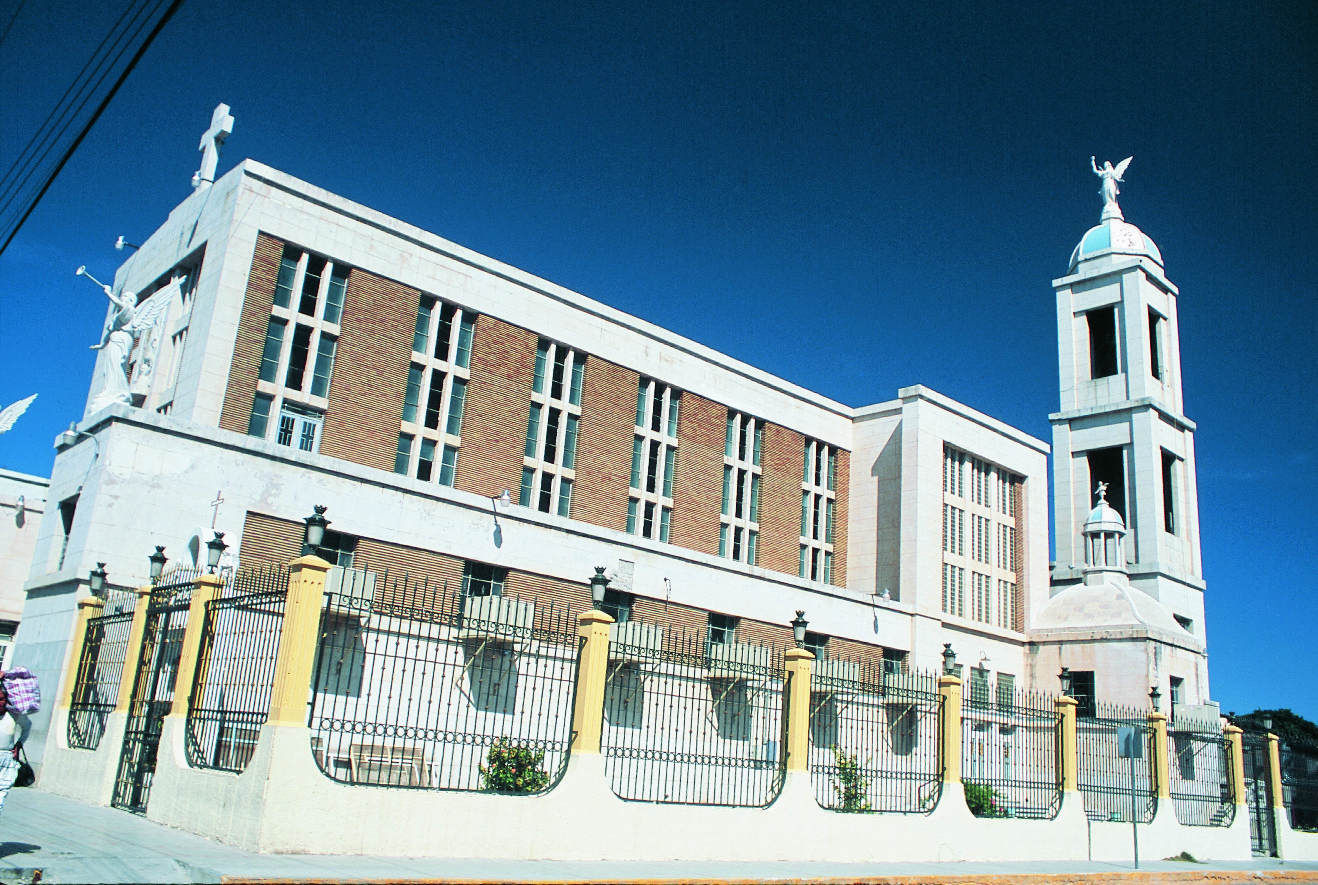
Hero photo: The Santa Maria de Guadalupe parish in Ciudad Acuna, Coahuila by Comision Mexicana de Filmaciones, CC BY-SA 2.0, via Wikimedia Commons.
Verified November 2026.
The one page brief carries this profile’s snapshot costs and rent, its healthcare frame and, where the profile states one, its advisory note, printed word for word.
No ratings yet. The average appears after 5 ratings, so one score cannot pose as a verdict. To rate this city profile, leave a comment below and pick your stars in the comment form. First comments are held for a quick moderation check before they appear.
Corrections and first-hand tips are welcome. Keep comments on topic and kind, and please do not share personal immigration case details here. Read the Comment Policy before posting.
Who’s behind the site
We are Paul and Adriana, and we run My Mexico Move together: Paul from the guides and the platform side, Adriana from Guanajuato, where she leads our partnerships and the ground work behind every profile.
Founder
Paul moved to Guanajuato in 2018 and founded My Mexico Move in 2021. He writes the guides and builds the city profiles, tools and member platform.

Partner
Adriana Vaca is Paul’s partner and leads partnerships and operations at My Mexico Move. Based in Guanajuato, she builds the relationships with the Mexican businesses in our directory, reviews our Spanish-language content so it reads the way it should, and runs the Mexico ground work our guides and city profiles depend on. A broadcaster by trade, she presented on Exa FM Irapuato and has worked as a commercial voice talent since 2017. Her studio, Voice con Vida, produces the audio across our sites.
Say hello any time, or write to us through the contact page.