
Paul Green
Founder
Paul moved to Guanajuato in 2018 and founded My Mexico Move in 2021. He writes the guides and builds the city profiles, tools and member platform.
City profile · Baja California
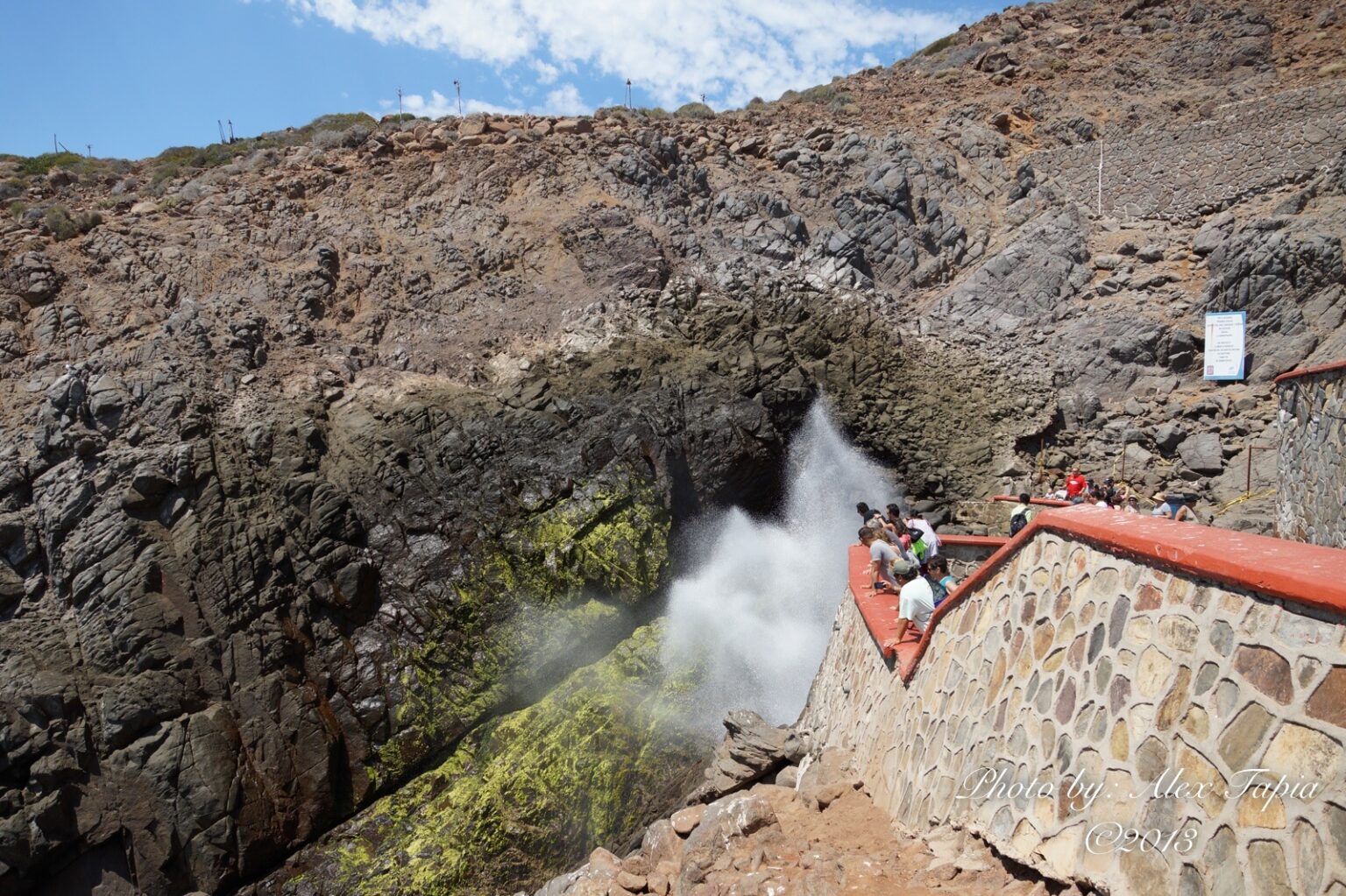
A wild Pacific peninsula south of Ensenada, home to the La Bufadora blowhole, a Ramsar estuary and the largest foreign enclave in the Ensenada area, reached by one road.
Verified November 2026
Punta Banda is a 12 kilometre peninsula of rock, scrub and sand that juts into the Pacific southwest of Ensenada, Baja California, and forms the southern boundary of the Bahia de Todos Santos, the bay that shelters the port of Ensenada. It is not a town and not a suburb. It is a cape with settlements on it: the fishing and tourist village at La Bufadora on the ocean tip, the beach camps and houses of La Jolla and Campo 5, the estuary-side community of Cantu, and the scattered houses along the sandy tongue that separates the estuary from the bay. The peninsula covers about 29 square kilometres, rises to about 400 metres at Pico Banda near its tip, and sits about 35 to 40 kilometres south of central Ensenada, a 30 to 45 minute drive depending on where you start.
Three things make it unlike anywhere else on this site. First, La Bufadora, the marine blowhole at the tip, is described by Wikipedia as the second largest blowhole in the world and the only one in the American continent, and it draws busloads of cruise passengers and day trippers to the end of a road that otherwise serves only residents. Second, the Estero de Punta Banda, the lagoon behind the sandbar, is a Ramsar Wetland of International Importance of 2,393 hectares, designated on 2 February 2006, and one of the last coastal wetlands of its kind between Ensenada and Southern California. Third, the peninsula holds the largest enclave of foreign residents in the Ensenada area, mostly Americans and Canadians, many of them fiercely independent retirees and remote workers who chose the peninsula precisely because it is not a resort and not a city neighbourhood.
The honest bargain is simple. You get the Pacific on three sides, a mild dry climate, whales passing offshore in winter, hot springs you dig yourself on a beach, and Ensenada, a real working port city with hospitals, a Costco and a wine valley, half an hour away. What you give up is convenience: one road in and out, no hospital, supermarket or school on the peninsula itself, buses that require a change at Maneadero, and a community that is small, spread out and largely English-speaking in pockets, which can feel either like freedom or like isolation depending on who you are. If you want a wild edge of Baja with a front-row seat to the ocean and you are happy to drive for everything else, Punta Banda is one of the most distinctive landings in Mexico. If you need walkable services, a hospital nearby or a big social scene, live in Ensenada itself and visit the peninsula on weekends.
Travel advisory: Baja California is at Level 3 (Reconsider Travel) in the US State Department Mexico advisory dated 11 August 2026, and this profile is published as a full profile with a plain disclaimer because of that level. The advisory says to reconsider travel due to terrorism, crime and kidnapping, that there is a risk of violence in the state from terrorist groups, cartels, gangs and criminal organizations, that travellers should remain on main highways and avoid remote locations, and that the only travel restrictions for US government employees in Baja California state are in the Mexicali Valley, with no additional restrictions including in Tijuana, Ensenada and Rosarito. The full picture, including what that level does and does not mean for Punta Banda, is in the Safety section below. Read the current advisory before you commit, and check it again before any trip.
There is one road that matters: the state highway to La Bufadora, Mexico Highway 23, which leaves the Transpeninsular highway at Maneadero, south of Ensenada, and winds out along the peninsula past the estuary, over the rocky ridge and down to the blowhole at the tip. It is paved but narrow and winding in places, with steep sections, blind curves and livestock and slow vehicles to expect, and it is the only way in and out for everyone who lives here. The drive from central Ensenada to La Bufadora takes about 30 to 45 minutes, and to the estuary-side settlements it is shorter. The San Diego Reader puts La Bufadora at about a 45 minute drive south of Ensenada, and other guides put it at about 30 minutes, so plan on 45 and be pleasantly surprised.
Inside the peninsula, distances are deceptive. The cape is 12 kilometres long and 2 to 3 kilometres wide, and the settlements are strung along it rather than clustered in one place, so walking between them is not practical and a car is effectively essential for anyone living here. The roads inside the residential areas are a mix of paved lanes and dirt tracks, and the terrain is hilly, rocky and exposed to the wind, so a high-clearance vehicle is useful on the unpaved stretches and after rain. There is no verified taxi stand on the peninsula, and ride-hailing is not a reliable plan this far from town, so residents drive, and visitors who arrive without a car are limited to the bus and the La Bufadora walkway.
Public transport exists but it is a two-step trip. Transportes El Vigia buses run from the Miramar stop in central Ensenada, between 5th and 6th streets, to Maneadero every 5 to 10 minutes through the day, taking about 30 minutes, and from Maneadero a minibus labelled Punta Banda runs out to La Bufadora and drops passengers at the walkway to the blowhole. A Tripadvisor report from the Ensenada forum quotes the old fares at MX$9 a person to Maneadero and MX$15 a person from Maneadero to Punta Banda, but that report is about eight years old, so treat the fares as history and confirm the current fare on the day. No verified current bus timetable or fare table for the peninsula is published on this page. Ensenada is about 110 kilometres, 68 miles, south of the Tijuana border crossing, and about 90 minutes south of Tijuana by road, so the San Diego run is a day trip, not a commute, and the peninsula sits inside the Baja free zone, where no temporary vehicle import permit is required.
Punta Banda has no formal neighbourhood names that listings agree on, and that is part of the trap: one expat guide warns that there are three areas named Punta Banda, all a little drive from Ensenada, and they do not all have the same character. Check the map pin, the road and the water supply, not the name on the listing. Think in places instead.
La Bufadora town, the tip. The settlement at the end of the road, around the blowhole, with the long row of concession stands and shops, the viewing terrace, the small hotels and the fishing skiffs. The most visited place on the peninsula and the least residential in feel: tour buses arrive daily, the stalls do a brisk trade, and the ocean side is steep, rocky and exposed. Living here means living inside a tourist attraction, with the noise and the traffic that comes with it, and the reward is the most dramatic coastline in the Ensenada area.
La Jolla and the beach camps. The bay-side beach area, including the La Jolla Beach Camp, which charges a small day-use fee for its beachside facilities, and the houses and casitas along the sand. An expat guide describes a tight-knit community of mostly US and Canadian retirees living on the beach here for a fraction of the cost of a similar property in San Diego. Quieter than the tip, flatter, and the closest thing on the peninsula to a beach neighbourhood, with tidal pools, a small sandy beach and horseback riding on the sand.
Campo 5 and the ocean-side houses. The scattered houses and small developments on the ocean side of the ridge, including Campo 5, where one long-term expat guide lived and found it quiet with remarkable views but a little too far from amenities. This is the independent end of the peninsula: larger lots, more wind, more space between neighbours, and the most dependence on a car. The same guide notes that not all of the Punta Banda areas have the hot springs, so do not assume a listing near one area gives you access to another.
Cantu and the estuary side. Ejido Esteban Cantu and the settlements along the estuary and the sandy tongue, the Lengueta Arenosa, where furnished beachfront houses rent for the highest prices on the peninsula. Flat, close to the water, facing the lagoon and the bay rather than the open ocean, and the area where kayaking, birdwatching and the estuary trail are the daily walk. The trade is distance from the blowhole side and exposure to the estuary mosquitoes and the winter wind off the water.
Maneadero, the gateway. Not on the peninsula itself, but it is where peninsula life actually shops and connects: the town at the junction of the Transpeninsular highway and the La Bufadora road, with the Calimax supermarket on the La Bufadora road, the bus change, and the first services south of Ensenada. If you live on the peninsula, Maneadero is your local town, and Ensenada is your city.
No verified per-neighbourhood rent table is published on this page. The honest way to choose is a scouting stay in the dry season and another look in winter, driving the whole peninsula road, walking the beach at the property at high tide, and asking residents what the water, the power and the wind do on that specific stretch.
Daily shopping on the peninsula is thin, and that is a fact to plan around rather than a complaint. There is no supermarket on the peninsula itself, and no verified village market, butcher or bakery list is published here. The weekly shop happens in Maneadero and Ensenada, and the peninsula itself runs on small shops, the stalls at La Bufadora, and the fishing boats.
Maneadero is the first stop: the Calimax supermarket on the Carretera Estatal a La Bufadora, number 1, open 7:00 to 22:00 daily, with ATMs on site, sits at the junction where the peninsula road meets the highway, and residents describe it as the good supermarket with American and Mexican products that saves the drive into town. A BajaNomad thread from when it opened notes two ATMs, a strong produce section and a good bakery. Ensenada is the big shop: Costco, Soriana, Calimax and Walmart, with the big stores on the edge of town for bulk buying, and the Mercado Negro, the fish market near the port, where the day's catch lands and the city's seafood is cheapest and freshest, plus the Mercado Municipal and the smaller markets in each neighbourhood for produce and daily food. The fish at La Bufadora itself is worth noting: the stalls along the walkway sell fish tacos and seafood to the day-trippers, and the commercial fishermen and charter skiff operators work the waters around the peninsula.
Imported goods and familiar North American brands cost considerably more than in the US and are patchy outside Costco and Calimax, so most residents cook with what the markets sell and treat the import aisle as a treat, not a staple. If you live on the peninsula, the rhythm is a weekly Ensenada run, a Maneadero top-up, and a freezer that earns its keep.
Punta Banda holds the largest enclave of foreigners living in the Ensenada area, and that is the fact that shapes everything else on this page. The Mazatlan Post, writing about the peninsula, calls it the largest enclave of foreigners living in Ensenada, and describes the residents as a much appreciated new demographic, including younger professionals who can work from home on the internet and are assimilating with school-age children into the fabric of Ensenada. The San Diego Reader, writing about La Bufadora, describes a surprisingly large number of expats who have found a home here over the past few decades, many of them fiercely independent nonconformists. The Wandering Smileys, an expat couple who lived on the peninsula at Campo 5, describe Punta Banda as known for its natural beauty, including hot springs and tidal pools, a little further from the city centre, peaceful, community-focused and ideal for nature lovers and those seeking a slower pace of life.
The community is mostly American, with Canadians, Australians and Europeans in smaller numbers, and it is heavily weighted toward retirees and remote workers from California, drawn by proximity to the border: Ensenada is about an hour south of San Diego, and many residents visited the area growing up and decided to stay. One retired couple profiled in the Mazatlan Post moved to Ensenada in 2014 and rent in the Punta Banda area, and the wife spends Saturday mornings volunteering with the children of indigenous agricultural workers. The social world runs through the beach camps, the horseback and kayaking groups, the La Bufadora stalls, the Maneadero and Ensenada meetups, and the language exchanges and wine tours of the Valle de Guadalupe, an hour inland.
The honest caveat is that the community is small and spread along 12 kilometres of peninsula, not concentrated in one village square, so it can feel thin if you do not drive and do not join in. English is commonly spoken within the expat community, but Spanish is the primary language, and the market, the bus, the bank and the landlord all run in Spanish. Punta Banda is the wild edge of Ensenada, the working port city half an hour north, and the two belong together: the peninsula for the living, the city for everything else.
Rents below are realistic 2026 ranges for decent long-term rentals on the Punta Banda peninsula, built from live listings checked November 2026. Expect wide variation by furnishing, distance from the beach, and season: beachfront and short-term places run much higher, and the peninsula has very few listings at any one time, so the sample is small and the ranges are estimates. Dollar conversions use 18.62 pesos to the dollar, the Banxico closing rate of 11 November 2026.
Small house or duplex, long-term. About $650 to $950 a month. A Medioq house-hunting listing for Cabo Punta Banda in October 2024 advertised a brand new two-bedroom duplex with separate entrances at MXN 13,000 a month, about $700, including water and electricity, and the same service lists Ensenada rentals starting at $650 a month, a six-month lease at $850 a month including WiFi and water, and a three-month minimum at $1,300 a month. A realestate.com.au listing for a three-bedroom house on Avenida Pedro Loyola in Punta Banda, published October 2026, asks MXN 9,000 a month, about $480, and another Punta Banda listing on the same site asks MXN 18,000 a month, about $965. Treat the range as an estimate built from a small live listing sample, not a verified market range.
Larger or beachfront house. About $1,300 to $1,950 a month for long-term. Medioq lists a house at $1,500 a month plus utilities with a six-month lease required, and a furnished house facing the beach on the Lengueta Arenosa, the sandy tongue, is listed on Pincali at $1,950 a month, published October 2026. A Vrbo listing for a three-bedroom bay-front home at Cabo Punta Banda advertises long-term renters welcome at about CA$193 a night, which is a short-term price and is not a long-term rate, so do not budget from it. As a stale-data warning: a 2019 Mazatlan Post profile reported a two-storey, three-bedroom house with a Pacific view in the Punta Banda area at $800 a month, but that was 2019, and it is history, not guidance.
Utilities. No verified Punta Banda utility figure is published on this page. Electricity is billed by the CFE every two months, and the mild climate means there is no air conditioning bill like the one that dominates a Gulf coast budget, but heating on cold, damp winter nights and a well pump or water delivery can add up, so ask what the rent includes before you sign. Water is the question to ask on every property: some houses are on a municipal supply and some are not, and no town-wide water figure is verified for this profile.
One warning: most long-term rentals move through local agents, house-hunting services and word of mouth, and some properties are never formally listed online. The best rentals still move through the community. Budget a scouting stay and search on the ground, and do not sign a lease from abroad. Check the water, the power and the road on the specific property, walk the beach at high tide, and check whether the title is clean before you even think about buying. As the real estate section explains, this peninsula has a title history that makes that check non-negotiable.
Punta Banda is on the coast, inside Mexico's restricted zone, so a foreign buyer needs a fideicomiso bank trust to hold residential property here, with the federal SRE permit fee at MXN 21,650. That is one more layer than in an inland city, and it is not optional. A notario publico, not a title company, is the legal figure who closes a sale in Mexico, and on this peninsula the title check matters more than the price.
The reason is a matter of public record. A development on the peninsula in the 1990s, led by developer Carlos Teran in a joint venture with an ejido farming cooperative, was built on land the ejido had taken possession of, and a false title report was issued to foreign buyers. After about 20 years the case reached the Mexican Supreme Court, and the ejido, Teran and about 200 foreign investors lost to the original property owners, the family of Jorge Cortina. The Mazatlan Post, reporting the case in 2019, calls it an international scandal, notes that construction was done with no review of environmental damage, and says the fear of Punta Banda lives on in the minds of foreign investors. The Cortina family kept the Baja Beach Hotel property, known locally as the Cantinflas project, and Jorge Cortina has run it as a cultural centre with music, a restaurant and community events. That history does not mean every title on the peninsula is bad, but it means no purchase here should proceed without an independent notario and an independent lawyer checking the title from scratch, and without confirming the property is not ejido land.
No verified current purchase-price range is published on this page, because no reliable market-wide source exists for the peninsula. What the evidence does show is the shape of the market: small casitas and duplexes, renovated expat-owned houses, larger beachfront houses with pools, and new builds in private communities near the estuary, with beachfront commanding a large premium over inland houses. A newly built house in the private community of Quinta Cerro Alto, between Maneadero Parte Alta and Ejido Esteban Cantu with a view of the bay of Punta Banda, is listed on Pincali at $160,000 cash, described as an area with high tourist and retirement growth. Rent first, for at least a year and through a winter, and buy only after you know which stretch, which road and which water supply you can live with.
There is no hospital on the Punta Banda peninsula, and no clinic, English-speaking doctor or dentist list is verified for the peninsula itself, so day-to-day healthcare means a drive. That sentence needs its second half: the drive is short, and the hospitals at the end of it are good. Ensenada, about 30 to 45 minutes away, is the hospital base, and for anything serious the route continues north to San Diego, about an hour beyond Ensenada, by ambulance or medical evacuation.
The names residents use in Ensenada are Hospital Velmar, a private hospital at Calle de las Arenas 151 in Playa Ensenada, with a 24-hour emergency room, intensive care, surgical rooms, CT scan, MRI and ultrasound, and English-speaking staff, phone 646 173 4500; Hospital General de Ensenada, the public general hospital on the Transpeninsular highway at kilometre 111; the IMSS Hospital General de Zona Number 8 on Avenida Reforma; and Clinica Espanol, a private clinic, phone 646 176 4335. Safe Travel Mexico, reviewing Ensenada in 2026, describes medical care at Hospital Velmar or Clinica Espanol as sound, and notes that serious cases route to San Diego via ambulance or medical evacuation. We have not verified English-language service or insurer billing at any of them beyond what the sources above report, so confirm those in person. In an emergency, dial 911.
Two gaps matter. First, no IMSS facility is verified on the peninsula itself, so public care means Ensenada, and IMSS voluntary enrollment is available to legal residents but has waiting periods and pre-existing condition exclusions, so read the current rules before you rely on it. Second, private hospitals in Baja often require payment or a guarantee before treatment, and most do not accept US insurance plans directly, so confirm coverage and carry a payment method that works. Most residents here run a hybrid: a local doctor in Ensenada for routine needs, Hospital Velmar for emergencies, San Diego for anything serious, and IMSS or private insurance as the financial backstop.
| Facility | Type | What the profile says |
|---|---|---|
| No verified clinic on the peninsula | None verified | No clinic, doctor or dentist list verified for Punta Banda itself |
| Hospital Velmar, Ensenada | Private | 24-hour emergency room, ICU, CT and MRI, English reported, about 30 to 45 minutes away |
| Hospital General de Ensenada | Public | Public general hospital on the Transpeninsular highway, about 30 to 45 minutes away |
| IMSS Hospital General de Zona No. 8, Ensenada | Public | IMSS hospital on Avenida Reforma, Ensenada |
| Clinica Espanol, Ensenada | Private | Private clinic in Ensenada, reported as sound for expats |
| San Diego hospitals | US referral | Serious cases route north by ambulance or medical evacuation, about an hour beyond Ensenada |
Punta Banda suits a retiree who wants the ocean, a mild climate and a low budget above almost everything else and is honest about the trade-offs. The maths works: the estimated single-person budget on this page is $1,150 to $1,800 a month, and the verified 2026 average Social Security benefit is $2,071 a month (Social Security Administration, 2026 COLA Fact Sheet), so a single retiree on the average benefit covers a modest peninsula life, and a couple on two benefits lives comfortably. The beach and the estuary are the daily walk, the winter whale season is the calendar event, and Ensenada is half an hour away for hospitals, shopping and flights.
The trade-offs for retirees are the ones named across this profile: no hospital, supermarket or school on the peninsula, one road in and out, a car that is effectively essential, a small and spread-out community, and a Level 3 state advisory that has to be read and understood rather than ignored. It is a poor fit for a retiree who needs frequent specialist care, cannot drive, or wants walkable services and a large peer community. It is a strong fit for a retiree who is independent, comfortable driving, happy in a small community, and drawn to the wild end of Baja rather than a resort. Come for a month in the winter, not only in the mild summer months, drive the peninsula road in the rain, and check whether 30 to 45 minutes to a hospital feels close enough for your health situation.
Remote workers can do well here, with two caveats: internet service on a spread-out peninsula has to be tested in the exact property before you sign a lease, and no verified internet speed or price by area is published on this page, so do not plan your work life around a number you have not measured. No coworking venue is verified by name for the peninsula, so do not plan your work life around one. Remote workers here work from home, and the peninsula suits people whose work is already remote and portable, which is exactly the younger professional demographic the Mazatlan Post describes moving here.
Local work for foreigners is a different question: you need residency with permission to work, and the local job market is fishing, port work, agriculture around Maneadero, and tourism, with pay far below US levels. Teaching English is the usual foreigner option, and it pays local rates. Some foreign residents run small businesses in the wider Ensenada area, including the expat-run restaurants and beach camps, but that is self-employment with permits, not a job market. Nobody moves to Punta Banda for a local salary, and the San Diego commute is not realistic as a daily drive.
Punta Banda is a family-friendly stretch of coast, not a family-relocation hub for foreigners, and the honest picture for families is mixed. For children, daily life is the beach, the tidal pools, the estuary birds, the horses on the sand and the whales in winter, and the Mazatlan Post notes younger professional families with school-age children assimilating into the fabric of Ensenada. The social world tilts local and Spanish-speaking, not international, and no verified list of family facilities, clubs or activities for foreign children on the peninsula is published here. If schooling is a deciding factor, verify specific schools on the ground before committing, and weigh Ensenada, about 30 to 45 minutes away, which has the bilingual and international schools.
We have not verified the names, fees or admissions of schools on the Punta Banda peninsula itself, so families should check that in person before committing: the peninsula has no verified school of its own, and the nearest schooling is in Ensenada and Maneadero, about 30 to 45 minutes away. The names expat families use most in Ensenada are the Colegio Internacional de Ensenada, which offers bilingual education from preschool through high school; the Instituto Thomas Jefferson, a bilingual school blending Mexican and American curricula; the Academia Internacional de Ensenada, a private bilingual school from preschool through high school; and the Colegio de las Americas de Ensenada, a bilingual private school from maternal through preparatory. For older students, CETYS Universidad has a campus in Ensenada, founded in 1975 and now the international campus of the CETYS system, with a bilingual high school programme, and the Universidad Autonoma de Baja California has a campus in Ensenada. No verified tuition figures are published on this page, so check each school's current fees before you apply. For a family move, the school decision and the housing decision are the same decision: price the Ensenada school run, in time and in fuel, before you sign a peninsula lease.
Punta Banda eats Pacific seafood and Baja food, and it eats both cheaply if you eat like a resident. Fresh fish and shrimp come off the boats, the fish taco was invented in Ensenada and the stalls at La Bufadora sell fish tacos and seafood to the day-trippers, and the fondas and market stalls in Maneadero and Ensenada serve the catch of the day. The Baja table is fish tacos, ceviche, oysters and the seafood of the bay, and the Valle de Guadalupe, an hour inland, is the wine country that supplies the weekend table. The market keeps cooking at home affordable: the Mercado Negro in Ensenada is where the day's catch lands and the city's seafood is cheapest and freshest.
Groceries for a household that cooks at home run far lower than in the US, with the usual leaks: imported wine, peanut butter, and anything that has to be shipped in. Cook from the market most days, eat out often because it is cheap enough to, and save the white-tablecloth nights for Ensenada or the Valle de Guadalupe. The big shop is in Ensenada, where Costco, Soriana, Calimax and Walmart cover everything the peninsula shops do not, and the Calimax in Maneadero covers the weekly top-up without the drive into town.
Punta Banda's nightlife is quiet, and outside the tourist hours at La Bufadora it is very quiet. Evenings centre on the beach, the house, and the expat-run restaurants and beach camps, which are where the social life gathers. Most places wind down early, and the peninsula gets quiet after the day-trippers head back to Ensenada. Ensenada's malecon and historic centre add bars, live music and restaurants, about 30 to 45 minutes away, and the Valle de Guadalupe adds wine-country evenings an hour inland. If you want a drink with a view and an early night, the peninsula suits you. If you want a late bar scene within walking distance, it does not, and no listing will change that. No verified nightlife venue by name is published on this page.
This is the section to read before you rent on the peninsula, because the three features that define it are also the three things to understand before you commit. La Bufadora, the blowhole at the tip, is a marine geyser where incoming surf is forced into a sea cave and blasts seawater up through the rock, described as shooting as high as 30 metres, about 100 feet, into the air, and as high as 150 feet in one Commons description. It is free to visit, and the walk to the viewing terrace runs past a long row of stalls selling food, crafts and souvenirs. It is the most visited place in the Ensenada area, and the tour buses are part of the experience, so go early or go on a weekday if you want the place to yourself.
The Estero de Punta Banda is the quieter half of the peninsula. The lagoon is about 12.44 square kilometres, connected to Todos Santos Bay by a 7 kilometre sandbar with a single inlet, averaging about 800 metres wide, with sandy substrates, marshes, mudflats and seagrass meadows. It is a Ramsar site of 2,393 hectares, designated on 2 February 2006, and it is the breeding, feeding and nursing ground of at least 150 species of fish, many of them commercially important, as well as a stop for migratory shorebirds. The Kumiai people used the site for at least 2,000 years. Since the 1980s, construction of oil exploration and housing infrastructure has affected a considerable portion of the site, and still threatens its integrity, according to the Ramsar record, and a local restoration effort led by Fauna del Noroeste with the San Diego Audubon Society has been working on the estuary and the sandy tongue since June 2023. The estuary is where residents kayak, birdwatch and walk the trail, and it is also where the mosquitoes are, so bring repellent.
The beaches are not resort beaches. The bay side has small sandy stretches, tidal pools for exploring at low tide, and the La Jolla Beach Camp, while the ocean side is rocky, steep and exposed, with strong surf and cold Pacific water. The hot springs are the surprise: at Agua Caliente beach on the peninsula, naturally hot water sits under a small section of sand, and visitors dig their own hot tub in the beach and soak with the ocean in front of them. The best time is as the high tide is going out, because the high tide covers the dug holes again. No source we read places lifeguards on these beaches, so the water is yours to judge, and the currents and waves deserve respect even on a calm-looking day.
Climate on the peninsula is mild and dry, a Mediterranean climate rather than a tropical one. The nearest published climate table, for Ensenada, gives a mean annual temperature of 16.8 degrees C and about 307 mm of rain a year, with January averaging 12.3 degrees C and July 21.9 degrees C, the driest month June at about 1 mm and the wettest February at about 74 mm, on 1991 to 2021 data from climate-data.org. Rain is scarce and concentrated in the coldest months, from November to February. Summers are warm and dry rather than hot and humid, winters are cool, grey and damp, and the wind off the Pacific is a daily fact, not an occasional event. Grey whales pass through Todos Santos Bay from late December to April on their migration between Alaska and the lagoons of Baja California Sur, with boat tours leaving from the port of Ensenada and sightings from the coast reported in season.
Baja California is at Level 3 (Reconsider Travel) in the US State Department Mexico advisory dated 11 August 2026, verified November 2026. The advisory says to reconsider travel due to terrorism, crime and kidnapping, that there is a risk of violence in the state from terrorist groups, cartels, gangs and criminal organizations, that criminal groups fight for control in border areas to set up routes for narco-trafficking and human smuggling, that travellers should remain on main highways and avoid remote locations, that there are high homicide numbers in the non-tourist areas of Tijuana, that most homicides appear to be targeted but assassinations and territorial disputes between criminal organizations can injure or kill bystanders, and that US citizens and lawful permanent residents have been victims of kidnapping. It also says the only travel restrictions in Baja California state are in the Mexicali Valley, and there are no additional travel restrictions for US government employees in Baja California state, including in Tijuana, Ensenada and Rosarito. A separate State Department security alert dated 25 August 2026 named Mexicali specifically, but it did not change the state level. Read the current advisory before you commit, and check it again before any trip.
The honest neighbourhood read: the advisory is a state-level rating, and it is driven by Tijuana and Mexicali, not by the peninsula. Ensenada's own safety reporting makes that distinction plainly: Safe Travel Mexico gives Ensenada a risk score of 3.50 out of 5, and says the score reflects state-wide Baja California conditions, the Tijuana and Mexicali weight, more than the city proper. An expat guide to Ensenada says the popular expat neighbourhoods, including Punta Banda and Chapultepec, tend to feel safer, and that the malecon, La Bufadora and the Valle de Guadalupe are well patrolled and considered safe, while walking alone late at night in poorly lit areas is generally discouraged. That is the pattern residents describe: a quiet peninsula where the risks are the road, the ocean and the remoteness, and where the state-level violence is a real context to understand rather than a daily experience on the peninsula itself. No city page can call a Level 3 state risk-free, and this one does not. No verified Punta Banda-only crime rate is published on this page, so no peninsula crime figure is stated here.
Practical safety on the peninsula is about the road and the water. Stay on the main highway, do not drive between cities after dark, use dispatched vehicles or app-based services rather than waving down taxis on the street, and avoid travelling alone in remote areas, all of which the advisory itself advises. The peninsula road is winding and steep, the ocean side is exposed with strong surf and no verified lifeguards, and emergency services are limited or unavailable in remote or rural areas, which the advisory also states. Keep a charged phone, drinking water and fuel in the car, know the route to Hospital Velmar in Ensenada, and treat a breakdown plan as part of the rent decision, not an afterthought.
A modest but comfortable single life on the Punta Banda peninsula runs about $1,150 to $1,800 USD a month; a comfortable couple, about $1,450 to $2,250. Both are estimates, built from the rows below, not verified ranges, because the peninsula has almost no published cost data of its own beyond the rental listings and the Ensenada city figures. The shape of it: rent as above; no air conditioning bill in a mild climate, but heating and water on some properties; groceries split between the Calimax in Maneadero and the big stores in Ensenada; dining out ranges from fish tacos at the stalls to Ensenada restaurants; transport is a car, because the bus requires a change at Maneadero and the settlements are spread along 12 kilometres of road. The leaks are the usual ones: fuel and car upkeep, private health insurance premiums, trips back to the States, and the Ensenada run.
| Item | Figure | Basis |
|---|---|---|
| Monthly total, one person | $1,150–$1,800 | One person, modest but comfortable, estimate |
| Monthly total, a couple | $1,450–$2,250 | A couple, comfortable, estimate |
| Rent, small house or duplex, long-term | $650–$950 | Per month, Medioq and realestate.com.au listings November 2026, MXN 9,000 to 18,000 |
| Rent, larger or beachfront house | $1,300–$1,950 | Per month, Medioq and Pincali listings November 2026 |
| Utilities | $40–$90 | Per month, estimate; no verified Punta Banda figure |
| Internet | About $30 | Per month, estimate; not verified for the peninsula specifically |
| Groceries | $250–$350 | Per month, one person, estimate; Calimax Maneadero and Ensenada supermarkets |
| Eating out | $60–$120 | Per month, estimate |
| Local transport | $50–$100 | Per month, estimate; a car adds fuel, insurance and upkeep |
| Health, routine private visits and pharmacy | $40–$80 | Per month, estimate; IMSS enrolment is separate and varies |
| Miscellaneous | $50–$100 | Per month, estimate |
For comparison, Numbeo's Ensenada city figures, last updated 8 November 2026 from 14 contributors in the past 18 months, put a one-bedroom apartment in the city centre at MXN 9,500 a month, about $510, and outside the centre at MXN 6,000 a month, about $322. Those are Ensenada city figures, not Punta Banda figures, and the peninsula runs higher because the housing stock is houses, not apartments, and because a car is essential.
You will thrive if you want the wild end of Baja at low prices, you are independent and comfortable driving, your health is stable, and you like your foreign presence concentrated in a small, spread-out community of people who chose the peninsula on purpose rather than diluted across a big city. The ocean is on three sides, the climate is mild and dry, the whales pass in winter, and Ensenada is half an hour away when you need a city. Compare Ensenada, half an hour north, if you want the same coast with a port city, a malecon, supermarkets and a hospital in town, or Rosarito, closer to the border, if you want the same Baja coast with a bigger beach-town scene and a shorter San Diego run.
You will struggle if you need frequent specialist care, cannot drive, want walkable services, or want a social scene that stays full all year. The winter is cool, grey and damp, the wind is constant, the road is winding, and the Level 3 advisory is a fact to live with, not a footnote to skip. The market, the bus, the bank and the landlord all run in Spanish, and there is no expat bubble that lasts through a winter storm. The title history means buying here needs more care than buying almost anywhere else in Mexico, so rent first and check the title twice.
Punta Banda is the wild edge of the Ensenada expat world, and the honesty is the point. It does not pretend to be a resort, a colonial jewel or a polished town. It is a 12 kilometre cape of rock and scrub with a blowhole at one end, a Ramsar estuary at the other, hot springs under a beach, whales in winter, and a small community of independent foreigners who chose it because it is not like anywhere else. The price of that bargain is a car, a drive for everything, Spanish, patience, and a clear-eyed read of a Level 3 advisory and a title history that demands care. Come for a month in the winter, not only in the mild summer months, drive the whole peninsula road, and check whether 30 to 45 minutes to a hospital feels close enough for your health situation. If the peninsula gets its hooks in you the way it does for the people who stay, you will understand everything in this profile from the inside.
Disclosure Affiliate link: if you buy or book through it, we may earn a commission at no extra cost to you. The full disclosure
Geography is from Wikipedia (Punta Banda, cape southwest of Ensenada in Ensenada Municipality, Baja California; 29 square kilometres; 12 kilometres long; coordinates 31.723, -116.695; forms the southern boundary of the Bahia de Todos Santos; Isla Todos Santos about 6 kilometres off the northwestern tip; La Bufadora the second largest blowhole in the world and the only one in the American continent) and a 1979 botanical paper by Mulroy, Rundel and Bowler (peninsula about 13 kilometres long and 2 to 3 kilometres wide, Pico Banda about 400 metres, 24 kilometres south of Ensenada), checked November 2026. The advisory level is from the US State Department Mexico advisory, read live at travel.state.gov on 13 November 2026: Baja California is at Level 3 in the Level 3 section of the advisory, with the date line reading Date issued: August 11, 2026, the only travel restrictions in the state in the Mexicali Valley, and no additional restrictions including in Tijuana, Ensenada and Rosarito. The 25 August 2026 Mexicali security alert is from Safe Travel Mexico reporting, which notes it did not change the state level. Expat life is from the Mazatlan Post (Punta Banda, largest enclave of foreigners living in Ensenada, younger professionals working from home, the 2019 title case and the Cortina family, the $800 a month rent as 2019 history, the retired couple renting in the Punta Banda area), the San Diego Reader (La Bufadora, narrow finger of land at the southern end of Bahia de Todos Santos, 45 minute drive from Ensenada, surprisingly large number of expats, fiercely independent nonconformists), and the Wandering Smileys (Punta Banda, hot springs and tidal pools, three areas named Punta Banda, Campo 5, La Jolla tight-knit US and Canadian retirees). Transport is from Fodors (public bus from downtown Ensenada to Maneadero, minibus labelled Punta Banda to La Bufadora, guided tours about $40), Tripadvisor Ensenada forum (Transportes El Vigia from Miramar to Maneadero every 5 to 10 minutes, about 30 minutes, fares MX$9 and MX$15, about eight years old), and Ensenada Excursions and Tours (La Bufadora about 20 miles south of downtown Ensenada, Mexico Highway 23 from Maneadero). Markets are from Calimax listings (Calimax Maneadero, Carretera Estatal a La Bufadora 1, 7:00 to 22:00 daily), BajaNomad (Calimax Maneadero opening, two ATMs, produce and bakery), and the Ensenada profile on this site (Mercado Negro, Mercado Municipal, Costco, Soriana, Calimax and Walmart). Rents are from Medioq Ensenada rentals checked November 2026 (rentals from $650 a month; Cabo Punta Banda duplex MXN 13,000 a month including water and electricity, October 2024; six-month lease $850 a month including WiFi and water; three-month minimum $1,300 a month; $1,500 a month plus utilities, six-month lease), realestate.com.au (Punta Banda house MXN 9,000 a month, published October 2026; Punta Banda house MXN 18,000 a month), Pincali (furnished beachfront house on the Lengueta Arenosa $1,950 a month, published October 2026; new house in Quinta Cerro Alto $160,000 cash) and Vrbo (three-bedroom bay-front home, long-term renters welcome, about CA$193 a night, short-term price). The dollar conversion uses 18.62 pesos to the dollar, the Banxico closing rate of 11 November 2026. Real estate law is from the Mazatlan Post 2019 reporting on the Teran ejido title case and the Supreme Court decision, and the fideicomiso SRE permit fee of MXN 21,650 is the current federal fee. The estuary is from the Ramsar Sites Information Service (Estero de Punta Banda, site 1604, 2,393 hectares, designated 2 February 2006, 150 fish species, Kumiai use for at least 2,000 years, construction since the 1980s threatening its integrity), the IUCN Shark and Ray Areas factsheet (lagoon 12.44 square kilometres, 7 kilometre sandbar, average width 800 metres) and Fauna del Noroeste (estuary 15 kilometres southeast of Ensenada, restoration work June 2023 to June 2025). La Bufadora and the hot springs are from Trying to Unwind (peninsula 38.5 kilometres south of the Ensenada cruise port, Agua Caliente beach hot springs, dig your own hot tub, GPS 31.719365, -116.661168, best as the high tide goes out) and Wikivoyage (La Bufadora shoots more than 30 metres, free admission). Climate figures are the nearest published table, for Ensenada, from climate-data.org, 1991 to 2021: mean annual temperature 16.8 degrees C, about 307 mm of rain a year, January 12.3 degrees C, July 21.9 degrees C, driest June about 1 mm, wettest February about 74 mm; Wikivoyage describes a dry Mediterranean climate with rain concentrated November to February. Whale season is from Baja California Travel via Shore Excursion Gurus (grey whales pass through Todos Santos Bay from late December to April) and Wikivoyage (migration December to March, back April to May). Healthcare is from Vagabundos Baja (Hospital General de Ensenada, Hospital Velmar at Calle de las Arenas 151, 646 173 4500, private 24-hour emergency room), Lakeside Medical Group and PlacidWay (Hospital Velmar, emergency room, ICU, CT scan, MRI, ultrasound, English), Safe Travel Mexico (Ensenada safety guide 2026, Hospital Velmar and Clinica Espanol sound, serious cases route to San Diego, Ensenada 110 kilometres south of the Tijuana border), and IMSS listings (Hospital General de Zona No. 8, Avenida Reforma, Ensenada). Schools are from Expat Exchange (Colegio Internacional de Ensenada, Instituto Thomas Jefferson, CETYS Universidad Ensenada, Academia Internacional de Ensenada) and CETYS and UABC listings. Numbeo Ensenada figures are from numbeo.com, last update 8 November 2026, 14 contributors in the past 18 months: one-bedroom city centre MXN 9,500 a month, outside the centre MXN 6,000 a month. The Social Security average of $2,071 a month is from the Social Security Administration 2026 COLA Fact Sheet. Figures we could not verify are marked as unverified in the sections above, so you can see exactly what still needs checking on the ground.
Keep planning: price your month in our cost calculator, compare cities side by side on the city comparison page, read our safety and healthcare guides, or take the city match quiz.
Hero photo: La Bufadora blowhole erupting at Punta Banda, Ensenada by Alex Tapia, CC BY-SA 3.0, via Wikimedia Commons.
Verified November 2026.
The one page brief carries this profile’s snapshot costs and rent, its healthcare frame and, where the profile states one, its advisory note, printed word for word.
No ratings yet. The average appears after 5 ratings, so one score cannot pose as a verdict. To rate this city profile, leave a comment below and pick your stars in the comment form. First comments are held for a quick moderation check before they appear.
Corrections and first-hand tips are welcome. Keep comments on topic and kind, and please do not share personal immigration case details here. Read the Comment Policy before posting.
Who’s behind the site
We are Paul and Adriana, and we run My Mexico Move together: Paul from the guides and the platform side, Adriana from Guanajuato, where she leads our partnerships and the ground work behind every profile.
Founder
Paul moved to Guanajuato in 2018 and founded My Mexico Move in 2021. He writes the guides and builds the city profiles, tools and member platform.
Partner
Adriana Vaca is Paul’s partner and leads partnerships and operations at My Mexico Move. Based in Guanajuato, she builds the relationships with the Mexican businesses in our directory, reviews our Spanish-language content so it reads the way it should, and runs the Mexico ground work our guides and city profiles depend on. A broadcaster by trade, she presented on Exa FM Irapuato and has worked as a commercial voice talent since 2017. Her studio, Voice con Vida, produces the audio across our sites.
Say hello any time, or write to us through the contact page.