

Paul Green
Founder
Paul moved to Guanajuato in 2018 and founded My Mexico Move in 2021. He writes the guides and builds the city profiles, tools and member platform.

City profile · State of Mexico
A cool highland capital with big-city services, low rents and a one-hour train to Mexico City, for people who want real Mexican city life, not a resort.
Verified November 2026
Toluca is the capital of the State of Mexico, 63 kilometers southwest of Mexico City, and the core of a metropolitan area of about 2.35 million people (INEGI 2020 census). The 2020 census counted 223,876 people in the city itself and 910,608 in the municipality. It is a working industrial city, not a tourist town and not a beach town: auto plants, food processing and state government, with the Nevado de Toluca volcano on the southwestern horizon.
What makes Toluca different from the other central highland cities is the combination of big-city scale and small-city prices, plus a train. The El Insurgente interurban train, completed to Observatorio in February 2026, puts central Mexico City about an hour away by rail, while rents run roughly a third of Mexico City levels. Mexico Relocation Guide lists Toluca among its 13 best central highland cities for retirement, and calls it one of Mexico's most underrated cities for expats.
The trade is clear. You get a real Mexican city with full services, major hospitals, universities and an international airport, at highland prices. What you give up is the postcard: Toluca is not colonial-pretty the way Guanajuato or San Miguel are, the air carries industrial pollution, and there is no large English-speaking community to land in. If you want authentic daily life at a low cost with Mexico City in easy reach, keep reading.
Travel advisory: the State of Mexico is at Level 2 (Exercise Increased Caution) in the US State Department Mexico advisory dated 11 August 2026. The full picture is in the Safety section below.
The train is the story. El Insurgente runs seven stations from Zinacantepec through Toluca Centro and Metepec to Observatorio in Mexico City, where it meets Metro Line 1. The final section from Santa Fe to Observatorio opened on 2 February 2026, completing the 57.7 kilometer line, and the full journey takes about 60 minutes. The fare from Toluca Centro to Observatorio is 90 pesos one way, and 100 pesos for the full Zinacantepec to Observatorio run (February 2026 fare table). Trains run about every 15 minutes, with the first trains leaving around 6 am and the last around midnight. Check the current timetable before you plan a commute, since hours and frequency change.
Inside the city, Toluca is a driving and bus city, not a walking city on the scale of Guanajuato. The historic center around the Plaza de los Martires, Los Portales and the Cosmovitral is walkable, but most daily life spreads along wide avenues such as Paseo Tollocan and Avenida Solidaridad Las Torres. City buses are cheap and used mostly by locals, and taxis are plentiful and inexpensive for trips inside the city; agree the fare before you ride. Ride-hailing apps operate in the city, though coverage can be patchy late at night.
Getting in and out is easy. Toluca International Airport (TLC) sits about 16 kilometers from downtown, a 25 to 40 minute drive, with domestic flights on Viva Aerobus and Volaris to Cancun, Monterrey, Merida, Puerto Vallarta, San Jose del Cabo, Guadalajara and Tijuana (November 2026 schedules). There are no regular international nonstops, so most overseas trips still route through Mexico City. The Terminal de Autobuses runs frequent first-class buses to Mexico City in about 1 hour 15 minutes, and onward across central Mexico.
Where you land in Toluca matters, because the metro spreads across several municipalities and the feel changes fast.
Centro Historico. Around the Plaza de los Martires, the cathedral, Los Portales and the Cosmovitral. Walkable, full of restaurants and markets, and noisy during events. Older buildings, limited parking, the best choice if you want to live without a car.
Barrio de la Merced. Just east of Centro, traditional and local, with markets and street life at local prices. Less polished than Centro, more everyday Mexico.
Colonia Cipres and Colonia Morelos. Southwest of Centro, peaceful and family-oriented, with more space, less traffic and good access to schools, shops and restaurants. These are the quiet residential picks most newcomers overlook.
Metepec. The Pueblo Magico next door, technically a separate municipality but part of the same metro. Cobblestone streets, the Tree of Life pottery workshops, a walkable center and a trendier restaurant and bar scene. It is the usual premium pick, and it costs more than Toluca proper. The Metepec train station sits on the El Insurgente line.
San Mateo Atenco. South of Metepec toward the airport, a fast-growing area of newer fraccionamientos with controlled access and amenities, popular with families and professionals who want modern housing and quick access to the train and the highway to Mexico City.
Zinacantepec. At the western end of the train line, quieter and more suburban, on the road toward the Nevado de Toluca. Best for people who want space and mountain air and do not mind being a train ride from the center.
Paseo Colon corridor. An established residential avenue area with larger homes and gardens, a good middle ground between Centro and the newer suburbs.
No verified per-neighborhood rent table is published on this page, because no source we checked breaks rents down by colonia. The citywide ranges in the Rents section are the verified numbers; treat any per-neighborhood price you see in a listing as a single listing, not a market rate.
Daily shopping in Toluca splits three ways: the market, the neighborhood shops, and the supermarket run. The active Mercado 16 de Septiembre, on Gomez Pedraza near Centro, is the working food market, produce, meat, cheese, bread and fondas serving cheap set lunches. Do not confuse it with the Cosmovitral building, which began life as the original 1910 Mercado 16 de Septiembre hall and is now the stained-glass botanical garden. The Mercado Benito Juarez, south of Centro, is the other big traditional market. Go in the morning, bring cash, and practice your Spanish, because little English is spoken at the stalls.
Los Portales, the arched 19th century arcade on the main square, is where you eat, buy chorizo and watch Toluca doing its daily business. The national supermarket chains cover the weekly shop, and Plaza Sendero Toluca covers the mall run, with imported goods at import prices. Small fruterias, tortillerias and bakeries fill the gaps on every residential street, and a surprising amount of daily life still happens at the corner store.
Toluca has no expat enclave, and that is the point to understand before you move. The 2020 census counted 3,463 foreign-born residents in the municipality of Toluca (INEGI, via Wikipedia), a small number in a metro of 2.35 million. There is no large English-speaking club scene on the scale of San Miguel or Lake Chapala, and no neighborhood where you can live entirely in English. You will make Mexican friends because you will have to, and your Spanish will improve because daily life requires it.
Where foreigners gather is informal: the cafes around Los Portales, the Metepec center on weekends, university events at UAEMex, and the small circles that form around language schools and the industrial parks, where foreign engineers and managers pass through on assignment. English is spoken in hotels and some restaurants, but the market, the bus, the bank and the landlord all run in Spanish. For many people that is exactly the appeal; for people who want an instant English-speaking social world on tap, it is a real adjustment. Compare Queretaro, which has a larger foreign community and more English-language infrastructure, if that matters to you.
Rents below are realistic 2026 ranges for decent long-term rentals. Three independent sources agree closely, which is rare, so the range below is unusually solid.
One bedroom, city center. $415 per month (Numbeo, updated 10 November 2026). CityCost, November 2026, agrees at $410. Mexico Relocation Guide gives a wider retiree-suitable range of $315 to $685 for a one bedroom, reflecting better-finished places.
One bedroom, outside the center. $275 per month (Numbeo, updated 10 November 2026). CityCost, November 2026, agrees at $278. LivingCost, June 2026, puts a cheap one bedroom at $291 and a center one bedroom at $571.
Two bedrooms. $515 to $1,260 per month (Mexico Relocation Guide, 2026 ranges).
Expect variation by furnishing, since furnished and short-term places run 30 to 60 percent higher, and by how local your search is. Listings aimed at foreigners run high. The best Toluca rentals still move through local Facebook groups, signs in windows, and word of mouth. Budget a scouting stay and search on the ground, and remember the standing rule for this site: utility accounts in Mexico normally stay in the landlord's name, and the renter pays the bills, so do not expect to put CFE or water in your own name as the normal case.
Toluca is outside Mexico's restricted zone, so a foreign buyer does not need a fideicomiso trust here, which is one less layer than on the coasts. That does not make buying simple. Titles need a notario publico to verify, because the notario, not a title company, is the legal figure who closes a sale in Mexico.
Numbeo, updated 10 November 2026, puts buying at $1,278 per square meter in the city center and $896 outside it. Treat that figure with care: it rests on 28 entries from 5 contributors over 18 months, which is thin data, and no verified current range from a second source is published here. Listings near the Toluca Centro train station advertise the train connection as a selling point, and the station area is the obvious place to watch for change. Rent first, for at least a year, and buy only after you know which colonia, which street and which noise level you can live with. Get an independent notario, check the property is not ejido land, and budget for the fact that a high-altitude house with no heating needs a different maintenance eye than a beach condo.
Healthcare is one of Toluca's real strengths for a city its size. The metro has large public hospitals, a state workers medical center, and private hospitals, and Mexico City's tertiary hospitals are about an hour away by train. Day-to-day private care is cheap by US standards, though no verified Toluca price for a routine consult or dentist visit is published on this page, so do not plan your budget around a quoted figure.
The public side runs through IMSS, with Hospital General Regional No. 220 on Paseo Tollocan the main IMSS hospital in the city, and Hospital General Regional No. 251 in Metepec. The state system runs the Hospital General Dr. Nicolas San Juan, a second-level public hospital, and the Centro Medico Lic. Adolfo Lopez Mateos. State workers use the Centro Medico ISSEMyM in Metepec, which is also part of the official stroke network. Private care includes the Sanatorio Florencia on Vicente Guerrero in Colonia Morelos, and the Centro Medico de Toluca in Metepec. For care you cannot get in Toluca, the train to Observatorio puts Mexico City's major hospitals within reach.
IMSS voluntary enrollment is available to legal residents, and it is the cheapest backstop in the country, but it has waiting periods and pre-existing condition exclusions, so read the current rules before you rely on it. Private insurance bought locally is the usual complement for people who want faster access and English-speaking support.
| Facility | Type | What the profile says |
|---|---|---|
| IMSS Hospital General Regional No. 220 | Public, IMSS | Main IMSS hospital in the city, Paseo Tollocan 620 |
| IMSS Hospital General Regional No. 251, Metepec | Public, IMSS | Second large IMSS hospital in the metro |
| Hospital General Dr. Nicolas San Juan | Public, state (ISEM) | Second-level general hospital in Toluca |
| Centro Medico ISSEMyM, Metepec | Public, state workers | Major state medical center, stroke network member |
| Centro Medico Lic. Adolfo Lopez Mateos | Public, state | State medical center in Toluca |
| Sanatorio Florencia | Private hospital | Private care in Colonia Morelos, Vicente Guerrero 205 |
| Centro Medico de Toluca, Metepec | Private hospital | Private care in Metepec, on insurer networks |
| Mexico City tertiary hospitals | Private and public | About an hour by El Insurgente to Observatorio |
Toluca suits a retiree who wants low costs, a real Mexican city, and Mexico City in easy reach, and who is honest about cold mornings. Mexico Relocation Guide lists it among the 13 best central highland cities for retirement, with one-bedroom rents of $315 to $685 and a couple living on less than $1,500 a month all in. The climate is cool year round, the hospitals are major, and the train means the capital's museums, doctors and airport are a day trip, not a relocation.
The trade-offs for retirees are the ones named across this profile: nights near freezing from December to February, altitude at 8,730 feet, industrial air pollution, and a small English-speaking community that will not carry your social life for you. It is a poor fit for a retiree who needs warm weather, a beach, or a large peer community of fellow retirees. It is a strong fit for a retiree who is active, curious, and comfortable being a visible foreigner in a Mexican city rather than a resident of an expat enclave. Come for a month in the season you would actually live here, ride the train, walk your prospective neighborhood at night, and check whether the cold mornings bother you more than the rent pleases you. If you want the same highland value with a bigger foreign community, weigh Queretaro to the north.
Toluca is an industrial city first, and that shapes the work picture. The Toluca-Lerma industrial corridor hosts auto production, food processing, metals, machinery and paper, and the industrial base employs over a third of the municipality's population. Chrysler's Toluca assembly plant has built cars since 1968 and employs about 2,300 people, and BMW, Mercedes-Benz, Coca-Cola, Grupo Bimbo, Nissan, Nestle, Pfizer and Bayer all have operations in the metro (Wikipedia, economy section). That means real local jobs exist, but they need residency with permission to work and working Spanish, and local pay runs far below US levels. Nobody moves to Toluca for a local salary.
Remote workers do fine here. Toluca is a major metro with the usual national carriers, and the train to Santa Fe, Mexico City's business district, makes hybrid work realistic in a way few Mexican cities can match. Two caveats: service quality varies by street, so test your exact address before signing a lease, and no verified Toluca internet speed or price is published here, so do not plan around a quoted figure. The city suits people whose work is already remote and portable, or who work in the industrial corridor, and it suits them better than Mexico City does on cost, while keeping the capital within an hour.
Toluca is a family city more than a retiree enclave: universities, industry, and a metro built around Mexican family life. Parks and plazas, the Cosmovitral, the Calixtlahuaca archaeological zone just north of the city, and the Nevado foothills give children real outings, and Metepec's center is genuinely family-friendly on weekends. The practical considerations are the altitude and the cold: winter mornings near freezing, houses with no heating, and a city where you drive almost everywhere. If schooling is a deciding factor, verify specific schools on the ground before committing, and weigh the bilingual options in Metepec and the international-school bench in Mexico City, an hour away by train.
For school-age children, no international or bilingual K-12 school in Toluca is verified by name for this profile, and families should not assume one exists. Local private schools operate across the metro, but no verified list, curriculum or fee information is published here. Verify any school in person, in Spanish, before you commit.
The city's school strength is adult, not K-12. The Universidad Autonoma del Estado de Mexico (UAEMex) is the largest public university in the State of Mexico, with more than 70,000 students, and its main campus is in Toluca. The Tecnologico de Monterrey Campus Toluca opened in 1982 and runs bilingual and international high-school programs, with PrepaTec Metepec in the metro. UAEMex also runs a language teaching center, which is a practical route into serious Spanish study.
Toluca eats like a working city: cheap, pork-forward, and proud of it. The signature is chorizo. The classic red chorizo is flavored with guajillo and ancho chile, garlic, oregano, cumin and vinegar. The more interesting version is chorizo verde, a 1970s invention from nearby Texcalyacac made with tomatillo, chile serrano, cilantro and pipian, fried into quesadillas or tacos, stirred into scrambled eggs, or grilled with memelas, the thick oval masa cakes. Buy it fresh at the stalls around Los Portales or at the Mercado 16 de Septiembre, and keep it refrigerated.
Market lunches and the fondas around Los Portales and the markets are the daily pattern: comida corrida at midday, tacos and tortas, and coffee in the portales. Metepec adds a trendier restaurant strip and the Tree of Life pottery to browse after lunch. The local fruit liqueur is moscos, a Toluca specialty worth one tasting, not a case. Groceries for a household that cooks at home run far lower than in the US, with the usual leaks: imported wine, peanut butter, and anything that has to be shipped in.
Toluca's nightlife is local energy, not resort energy. Evenings center on the bars and restaurants under Los Portales, the livelier strip in Metepec, and match nights at the Estadio Nemesio Diez, home of the Diablos Rojos del Toluca. The Day of the Dead season brings the Alfenique Fair, the city's big annual fair, and the Toluca International Film Festival fills the cultural calendar. Most places wind down earlier than in Mexico City, and the center gets quiet after the crowds head home. If you want a big-city bar scene, the train to Mexico City is the weekend answer. What Toluca offers instead is a nightly culture of people sitting out in plazas and portales, which is a different and, for many residents, better thing.
The volcano on the horizon is Xinantecatl, better known as the Nevado de Toluca, the fourth-highest peak in Mexico at 4,680 meters, about 40 kilometers southwest of the city. Its crater holds two lakes, the Laguna del Sol and the Laguna de la Luna, and on a clear winter morning it carries snow. It is the obvious weekend trip from the city, and it is also the trip to check before you plan anything: the protected area has been closed to visitors since 10 August 2025 after an accident, with no reopening date announced, and the access model announced by CONANP in October 2025 is foot-only from Parque de los Venados, a walk of about 5 kilometers each way to the crater. The lakes sit at about 4,200 meters, and CONANP says people with heart or breathing conditions should not go up to the crater. Check the current status before you go, and treat any tour that promises vehicle access to the crater as out of date.
Toluca sits at 2,660 meters, about 8,730 feet, the highest capital city in Mexico and North America, and its climate is the coolest of any large Mexican city. Days run 68 to 77 degrees Fahrenheit most of the year, nights drop close to freezing from December to February, and the record low is minus 9.7 degrees Celsius. Rain arrives June to September, mostly as afternoon storms, with July the wettest month. It is close to a perfect climate if you like cool air, with three footnotes: the altitude takes a week or two to adjust to, winter mornings in a stone house with no heating are genuinely cold, and the city is one of the most polluted in the country from its industrial corridor, so outdoor exercise carries a health trade-off the pretty climate numbers do not show.
| Month | Average high | Average low | Rainfall |
|---|---|---|---|
| Jan | 68.5°F (20.3°C) | 31.3°F (-0.4°C) | 0.4 in (10.9 mm) |
| Feb | 72.1°F (22.3°C) | 33.3°F (0.7°C) | 0.6 in (14.6 mm) |
| Mar | 75.0°F (23.9°C) | 36.1°F (2.3°C) | 0.8 in (19.9 mm) |
| Apr | 77.0°F (25.0°C) | 40.1°F (4.5°C) | 1.3 in (33.8 mm) |
| May | 76.6°F (24.8°C) | 43.7°F (6.5°C) | 3.4 in (87.2 mm) |
| Jun | 73.2°F (22.9°C) | 46.8°F (8.2°C) | 6.8 in (172.8 mm) |
| Jul | 71.1°F (21.7°C) | 47.8°F (8.8°C) | 7.8 in (198.5 mm) |
| Aug | 71.2°F (21.8°C) | 46.8°F (8.2°C) | 7.3 in (185.9 mm) |
| Sep | 70.7°F (21.5°C) | 46.9°F (8.3°C) | 6.4 in (163.5 mm) |
| Oct | 71.1°F (21.7°C) | 42.1°F (5.6°C) | 2.6 in (65.0 mm) |
| Nov | 70.2°F (21.2°C) | 35.6°F (2.0°C) | 0.8 in (20.6 mm) |
| Dec | 68.5°F (20.3°C) | 32.2°F (0.1°C) | 0.3 in (8.0 mm) |
Source: Servicio Meteorologico Nacional, 1991-2020 normals, via Wikipedia.
The State of Mexico is at Level 2 (Exercise Increased Caution) in the US State Department Mexico advisory dated 11 August 2026, verified November 2026. Read the advisory's State of Mexico section for the details that apply to this city. Advisory levels change, so read the current advisory before you commit, and check it again before any trip.
The honest neighborhood read: the center, Metepec and the southern residential colonias are busy, well used and walked in the evenings, and the risks there are the usual big-city ones, pickpocketing and opportunistic theft. The state has seen serious crime concentrated in particular areas, and the northern delegations of the municipality, such as San Pablo Autopan and San Andres Cuexcontitlan, see higher crime rates. A Gender Violence Alert has been declared for the municipality. The UK Foreign Office warns of armed robbery on public transport and highway vehicle theft in the State of Mexico, so take the train or a first-class bus over an informal ride, and do not flash cash or jewelry. No city page can call a Level 2 state safe, and this one does not.
A modest but comfortable single life in Toluca runs about $1,000 to $1,300 USD a month; a comfortable couple, $1,500 to $2,000. CityCost, November 2026, puts one person at $1,123 a month including rent and utilities, and Numbeo, updated 10 November 2026, puts everyday costs excluding rent at $718 for one person, which lines up once rent is added. Mexico Relocation Guide says a couple can live on less than $1,500 a month all in. The shape of it: rent as above; utilities are modest in the mild climate; the train to Mexico City costs 90 pesos each way; groceries split between the markets and supermarkets; dining out ranges from a few dollars at a market fonda to Metepec restaurants at a fraction of US prices. The leaks are the usual ones: imported goods, private health insurance premiums, heating costs in winter, and travel back to the States. Compared with Mexico City, your rent buys roughly three times the space. Toluca is not Mexico's cheapest city, but it may be its best value per unit of big-city service.
| Item | Figure | Basis |
|---|---|---|
| Monthly total, one person | $1,000–$1,300 | One person, modest but comfortable |
| Monthly total, a couple | $1,500–$2,000 | A couple, comfortable |
| Rent, 1BR, city center | $415 | Per month, Numbeo, 10 Nov 2026 |
| Rent, 1BR, outside center | $275 | Per month, Numbeo, 10 Nov 2026 |
| Rent, 1BR, retiree range | $315–$685 | Per month, Mexico Relocation Guide, 2026 |
| Rent, 2BR | $515–$1,260 | Per month, Mexico Relocation Guide, 2026 |
| Everyday costs excl. rent, one person | $718 | Per month, Numbeo, 10 Nov 2026 |
| Utilities, 85 sq m apartment | About $35 | Per month, MX$633, LivingCost, Nov 2026 |
| El Insurgente, Toluca Centro to Observatorio | MX$90 | One way, Feb 2026 fare |
| Internet | $25–$35 | Estimate, no Toluca figure verified |
| Market lunch | $3–$5 | Per meal, estimate, no Toluca figure verified |
Turn these numbers into your eight-stage plan.
You will thrive if you want a real Mexican city with deep daily life, you enjoy cool weather, your Spanish is decent or seriously improving, and you like your expat presence diluted rather than concentrated. Toluca rewards people who cook from the market, ride the train, and treat Mexico City as a day trip. Remote workers, industrial professionals, and budget-conscious retirees get the most from it.
You will struggle if you need warm weather, a beach, a big English-speaking social scene on tap, or a colonial postcard outside your door. The winter mornings are cold, the altitude is real, the air carries industrial pollution, and nobody here will carry your social life for you. If any of those are deal breakers, the honest answer is a different city, and the comparison pages will help you find it.
Toluca is the most underrated value in central Mexico: a state capital with major hospitals, universities, an international airport and a one-hour train to Mexico City, at rents roughly a third of the capital's. It is not pretty in the colonial sense, it is not warm, and it will not hand you an expat community. What it offers instead is a real Mexican city at a price that leaves room to live well, with the Nevado on the horizon and the capital an hour away. Come for a month, ride the train, walk Centro and Metepec at night, feel the altitude and the cold mornings, and check whether the trade fits. If low costs and a real Mexican city matter more than a postcard, Toluca earns its place on the shortlist.
Disclosure Affiliate link: if you buy or book through it, we may earn a commission at no extra cost to you. The full disclosure
Population is from the INEGI 2020 census, via Wikipedia: city 223,876, municipality 910,608, metro about 2.35 million. Elevation 2,660 meters and climate normals are from the Servicio Meteorologico Nacional 1991-2020 normals, via Wikipedia. Rent is from Numbeo, updated 10 November 2026 (1BR center $415, outside $275; everyday costs excluding rent $718; buying $1,278 per sq m center, $896 outside, thin data flagged above), cross-checked against CityCost, November 2026 ($410 center, $278 outside, $1,123 a month including rent) and LivingCost.org, June 2026 (cheap 1BR $291, center 1BR $571) and LivingCost.net, November 2026 (utilities MX$633). Retiree rent ranges and the couple budget are from Mexico Relocation Guide, 2026, which lists Toluca among its 13 best central highland cities for retirement. The train is from the El Insurgente record: full line completed 2 February 2026, seven stations, about 60 minutes end to end, fares 90 pesos to Toluca Centro and 100 pesos full route. The advisory level is from the US State Department Mexico advisory dated 11 August 2026, checked November 2026. Hospitals are from IMSS listings, ISSEMyM, and insurer provider networks, checked November 2026. The foreign-born resident count (3,463) is from the INEGI census via Wikipedia. The Nevado closure is from CONANP reporting, checked November 2026: closed since 10 August 2025, foot-only access model announced October 2025.
Honest gaps on this page: no verified per-neighborhood rent table; no verified Toluca price for a routine doctor or dentist visit; no verified Toluca internet speed or price; no international or bilingual K-12 school verified by name; no verified expat population count beyond the census foreign-born figure. Figures we could not verify are marked as estimates or gaps in the sections above, so you can see exactly what still needs checking on the ground.
Keep planning: price your month in our cost calculator, compare cities side by side on the city comparison page, read our safety and healthcare guides, or take the city match quiz.
Hero photo: Stained glass inside the Cosmovitral, Toluca by Lexaxis7, CC BY-SA 3.0, via Wikimedia Commons.
Verified November 2026.
The one page brief carries this profile’s snapshot costs and rent, its healthcare frame and, where the profile states one, its advisory note, printed word for word.
No ratings yet. The average appears after 5 ratings, so one score cannot pose as a verdict. To rate this city profile, leave a comment below and pick your stars in the comment form. First comments are held for a quick moderation check before they appear.
Corrections and first-hand tips are welcome. Keep comments on topic and kind, and please do not share personal immigration case details here. Read the Comment Policy before posting.
Find Your City in Mexico walks the main destinations through cost, safety, climate, healthcare and community, in order.
money back guarantee
Who’s behind the site
We are Paul and Adriana, and we run My Mexico Move together: Paul from the guides and the platform side, Adriana from Guanajuato, where she leads our partnerships and the ground work behind every profile.
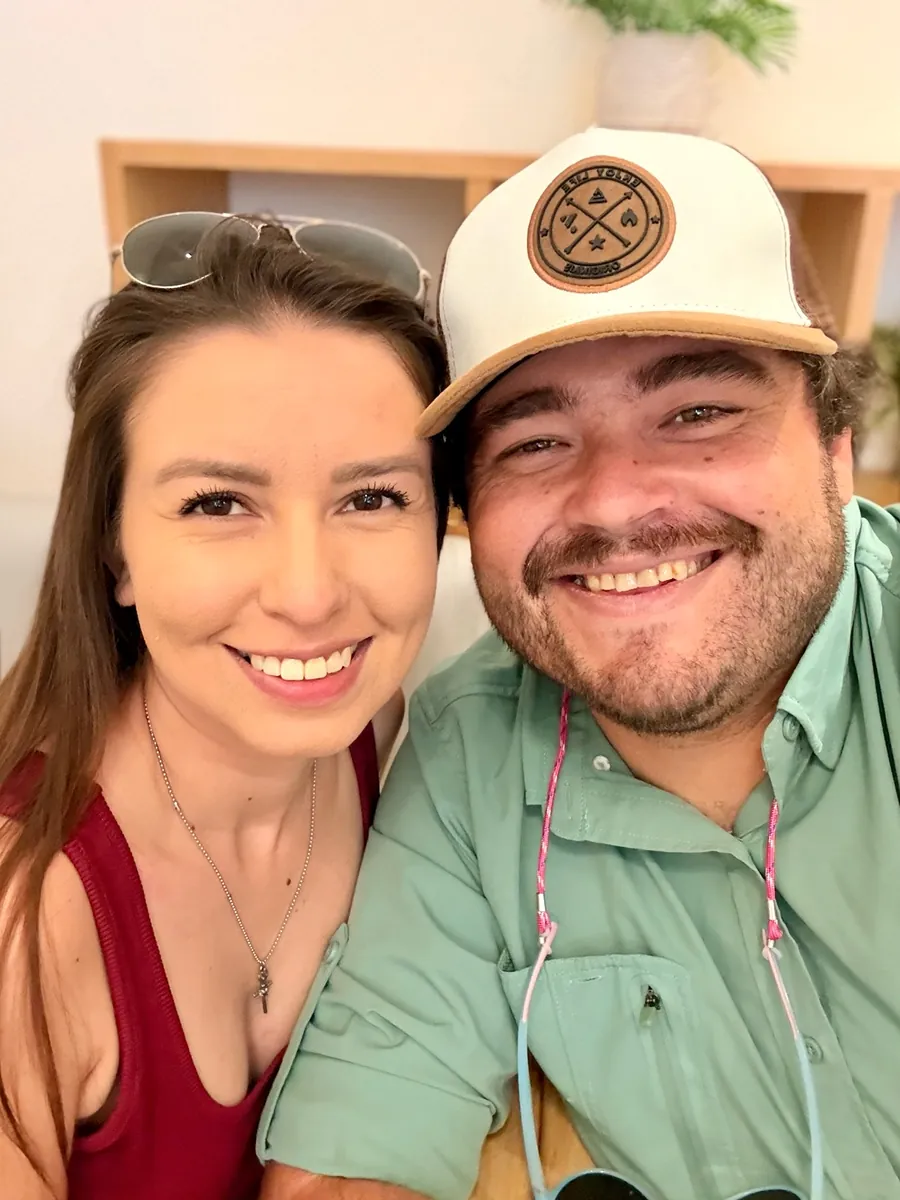
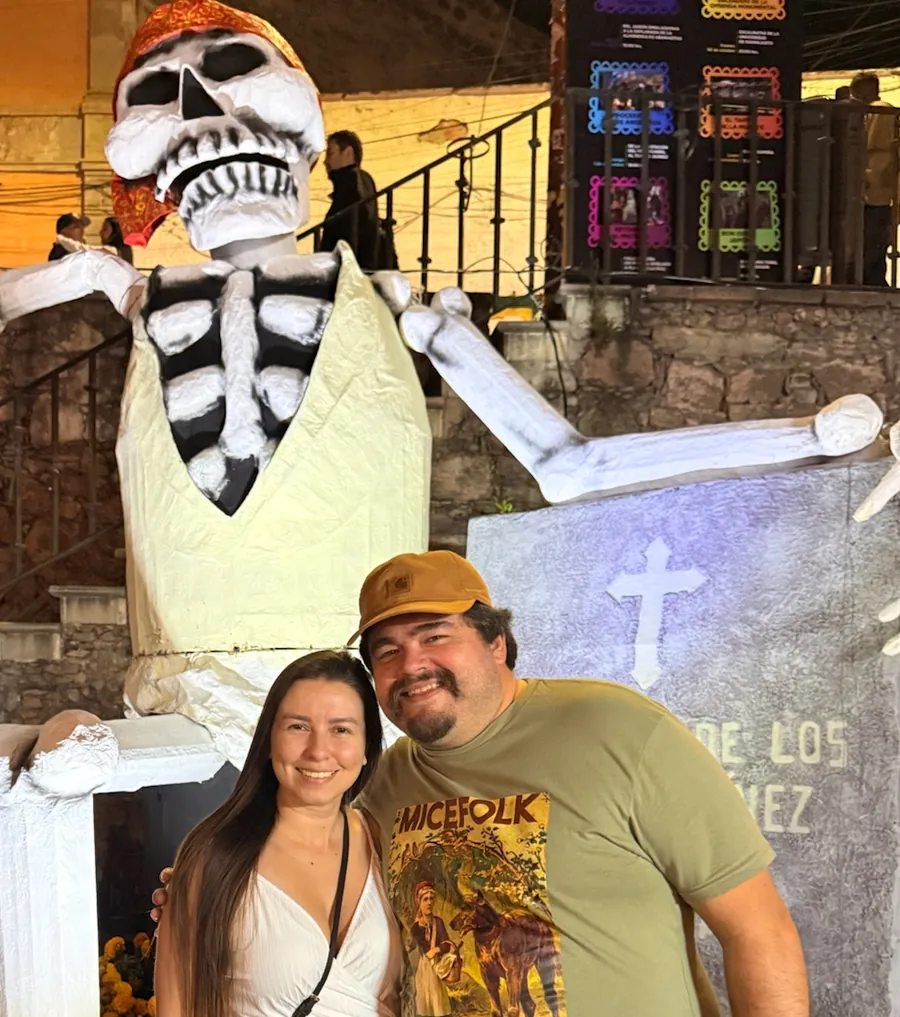
Founder
Paul moved to Guanajuato in 2018 and founded My Mexico Move in 2021. He writes the guides and builds the city profiles, tools and member platform.
Partner
Adriana Vaca is Paul’s partner and leads partnerships and operations at My Mexico Move. Based in Guanajuato, she builds the relationships with the Mexican businesses in our directory, reviews our Spanish-language content so it reads the way it should, and runs the Mexico ground work our guides and city profiles depend on. A broadcaster by trade, she presented on Exa FM Irapuato and has worked as a commercial voice talent since 2017. Her studio, Voice con Vida, produces the audio across our sites.
Say hello any time, or write to us through the contact page.