The short answer
Mexican residency is won or lost at one appointment: the interview at a Mexican consulate in the United States. That is where an officer reads your statements, checks them against the consulate’s threshold, and decides whether you receive the resident visa that starts the whole process. The visa fee is $54 to $56. In busy offices the wait for an appointment runs four to eight weeks, and the interview itself usually takes 20 to 40 minutes. This guide is that step, end to end: choosing the consulate, booking, the documents, and the conversation itself.
I moved to Guanajuato in 2018 and did my own process in 2019, as a first-timer who was figuring it out as I went. Since then I have walked many people through theirs, and the consulate mistakes are always the same handful: booking too late, bringing screenshots instead of statements, and applying with documented income that sits below the line. None of them is a paperwork problem exactly. They are preparation problems, and every one of them is fixable before you book. This is the preparation I use with clients, updated for 2026 fees and rules.
Where the Consulate Step Sits in the Process
You complete six steps in a fixed order. First you document income or savings. Second comes the consulate appointment and interview, the step this guide covers. Then you enter Mexico and complete the canje at INM within 30 days, and after the card you collect your biometric CURP, your RFC, and a Mexican bank account, in that order. The full sequence, step by step, is my complete temporary residency guide; this page goes deep on the one step that happens in the United States.
They did the right things in the wrong order, or they missed a single date.
Two facts frame everything below. The visa the consulate issues is a single-entry document valid for 180 days, and the canje must begin within 30 days of your arrival, which is why the appointment date drives your whole calendar. And the financial thresholds move each January and are applied locally, so the figure that matters is your own consulate’s current one. The 2026 figures, and the temporary versus permanent decision, are in my guide to Mexican residency income requirements. Confirm your consulate’s figure before you gather a single document.
How Do You Book the Appointment?
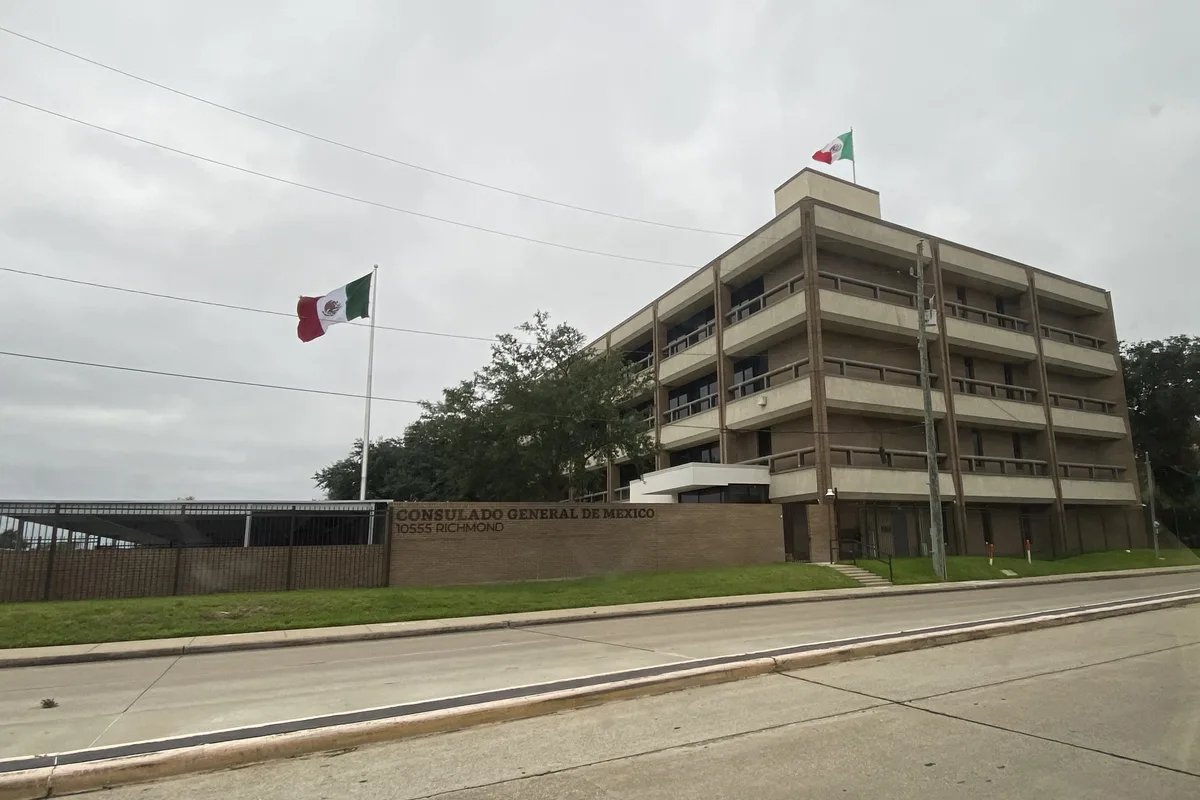
Everything starts at a Mexican consulate in the United States, not in Mexico. You cannot walk into INM as a tourist and convert to resident status, with narrow exceptions such as a Mexican family tie. So the first job is the appointment, and the appointment is the bottleneck.
Book early, before your documents are perfect. Consulate appointments are made through the government’s online system, MiConsulado, and the portal shows each office’s next available date before you commit. In some offices the wait is four to eight weeks. My rule is to book as soon as your documents are nearly ready, because you can prepare while you wait, but you cannot speed up a calendar.
Which office you use matters more than people expect. Each consulate runs its own checklist and its own quirks, and offices interpret the same rules differently, so an answer that worked for a friend in another city may not apply to you. Treat your own consulate’s published checklist as the authority, and everything else, including this guide, as preparation.
What Do You Bring?
The core set for an income or savings application is the same at most consulates, though each office has its own checklist and its own quirks:
- A valid passport with at least six months of remaining validity
- The completed visa application form
- Passport-style photos in the size your consulate specifies, since dimensions vary by office
- Six months of bank statements for income, or twelve months for savings, plus pay stubs or pension and Social Security documentation
- Your appointment confirmation
Screenshots of online banking are not statements, and this is one of the most common reasons an appointment goes badly. Download official PDFs or request printed statements from your bank.
Most people do not need an apostille for these documents. An apostille is generally only required for papers issued in a third country, or for certain documents later filed in Mexico, so do not pay for one until your consulate asks.
If you need a checklist of exactly what to bring, my free residency document checklist covers the consulate side and the INM side.
What Is the Interview Like?
Know what the interview is. It is usually a 20 to 40 minute conversation. The officer looks over your originals and copies, asks why you want to live in Mexico and where, and checks that the numbers meet the line. It is not adversarial. Answer plainly, bring originals and copies, and do not volunteer documents you were not asked for. If everything is in order, the consulate issues the resident visa in your passport, sometimes the same day and sometimes after a few days, depending on the office.
How Hard Is the Consulate Step?
It is moderate. The paperwork is not complex, and thousands of Americans complete it each year without a lawyer. The difficulty comes from three places. The first is money: if your documented income or savings does not clear the threshold, the application fails no matter how well you prepare, and the thresholds are higher in 2026 than they were two years ago. The second is timing: appointment waits, the 180-day visa window, and the 30-day canje deadline all leave little room for error. The third is inconsistency: different consulates and INM offices interpret the same rules differently, so an answer that worked for a friend in another city may not apply to you.
Here is how I sort applicants by difficulty. Retirees with steady Social Security and pension deposits and clean statements have the easiest path, since their documents are simple and their income is predictable. Employees with a steady paycheck are next. Self-employed applicants have the hardest time, because irregular deposits draw more scrutiny and consulates may ask for tax returns, contracts, or extra months of statements. If you are in that group, plan on more preparation and consider a strategy session before you book. My remote work and self-employment guide explains how income from abroad is viewed once you are here.
What Happens After the Visa Is Issued?
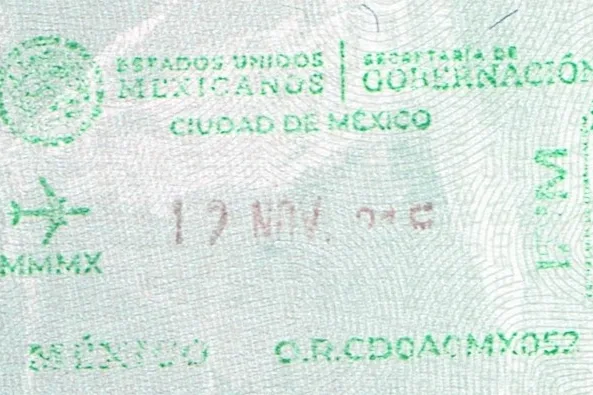
The visa is a single-entry document, and it starts two clocks: you have 180 days to enter Mexico on it, and from the day you enter, 30 calendar days to begin the canje, the exchange of the visa for your resident card, at INM. At the airport, hand the officer your passport with the visa sticker visible and tell them you are entering to do your canje, because a tourist stamp by mistake can void the visa. Beginning the canje means filing the application, not finishing it, so start the online application in your first days in the country. My canje walkthrough covers the airport counter and the INM appointment in full, and the 2026 INM card fees are in my income requirements guide.
Once the card is in your hand, three steps remain, and the order matters because each one uses the last: your biometric CURP, your RFC, and a Mexican bank account. Each has its own guide on this site. Renewals, when they come, happen at INM in Mexico rather than at a consulate, and my first 30 days guide picks up week by week from the day the card arrives.
This article may contain affiliate links. If you buy or book through them, MyMexicoMove.com may earn a commission at no extra cost to you. We recommend only services that are relevant to your Mexico move.
Two small tools help during this stretch. Long INM waits are easier with a portable power bank, because you will use your phone for the portal, translation, and directions, and a travel document organizer keeps the passport, forms, and receipts in one place. And a little Spanish goes a long way at the counter. Half an hour a day with Pimsleur in the weeks before you fly is enough to handle the airport script and the basic questions at INM. For where to sleep during the canje window, I compare apartments and hotels on Booking.com and book a cancellable rate, since your INM date can shift.
The Mistakes That Make People Start Over
Almost every restart I have seen came from one of these five errors, and every one is preventable:
- Entering as a tourist. Getting a visitor stamp at the airport instead of the canje entry can void the visa. Say the script and check the stamp.
- Missing the 30-day window. Start the INM application in your first days, not your last.
- Using screenshots as statements. Bring official PDFs or printed statements.
- Applying below the line. If your documented income is not clearly above the threshold, fix that first, since a denial costs an appointment.
- Scheduling nonrefundable travel before the card. Keep flights flexible until the physical card is in hand.
If you have already slipped on a date, do not wait to see what happens. My visa overstay guide explains the fines and the real consequences so you can decide what to do next.
The Bottom Line
Treat the consulate appointment as the step everything else waits on. Book it early, arrive with clean documents, and the interview is a conversation, not an interrogation. The deadlines that cannot move, the 180-day visa window and the 30-day canje window, only start once the officer says yes, which is why this step deserves more preparation than any other.
Here is how I would do it. Confirm your income or savings against your consulate’s current threshold, with a ten percent cushion. Book the appointment today. Prepare the statements and forms while you wait. Fly in with the visa, say the canje script at the airport, and begin the INM application in your first week. Then collect the CURP, RFC, and bank account over the next month, in that order. By the time you have a working account, you are a legal resident with the documents a landlord, a school, or a clinic will ask for.
Frequently Asked Questions
How do I book a Mexican consulate appointment?
Through MiConsulado, the government’s online system. The portal shows each office’s next available date before you commit, and in some offices the wait is four to eight weeks. Book as soon as your documents are nearly ready, because you can prepare while you wait, but you cannot speed up a calendar.
What should I bring to the consulate appointment?
A valid passport with at least six months of remaining validity, the completed visa application form, passport-style photos in the size your consulate specifies, and your appointment confirmation. For the financial proof, bring six months of bank statements for income, or twelve months for savings, plus pay stubs or pension and Social Security documentation. Bring originals and copies, and bring official PDFs or printed statements, never screenshots.
What happens at the consulate interview?
It is usually a 20 to 40 minute conversation. The officer looks over your originals and copies, asks why you want to live in Mexico and where, and checks that the numbers meet the line. It is not adversarial. If everything is in order, the consulate issues the resident visa in your passport, sometimes the same day and sometimes after a few days, depending on the office.
Can I apply for residency once I am already in Mexico as a tourist?
Generally no. Most Americans must apply at a Mexican consulate outside Mexico and then complete the canje after entering. Exceptions exist for people with qualifying family ties to Mexican citizens or residents, so ask INM or a facilitator before assuming you are one.
How much does the consulate visa cost?
The consulate visa fee is $54 to $56 in 2026, depending on the office. The larger costs of the process come later, at INM, and the current card fees are in my income requirements guide.
Before you act: Requirements, fees, eligibility rules, and local processes can change. Before making a financial, legal, medical, tax, insurance, immigration, or residency decision, confirm the current requirements with official sources and, when appropriate, a qualified professional.
Your Next Step
The appointment is one step, but it is the step the whole move waits on, and it is easy to underprepare under pressure. The 180-Day Action System turns the full sequence into a dated plan, so you know what to do in each month before and after the move. You can also start with the free 180-day relocation checklist.
If you want a person to check your specific situation before you book the consulate, my Planning Session ($249, 1 hour) covers your income against the current threshold, the right consulate, and how to sequence the canje. You can book it directly on my calendar.
If you would rather write to me first, email paul@mymexicomove.com.
Questions this guide answers
What are the steps to get Mexican residency?
Six steps in a fixed order: document your income or savings, apply at a Mexican consulate in the United States, enter Mexico and complete the canje at INM within 30 days, then get your biometric CURP, your RFC, and a Mexican bank account. Most Americans finish in two to four months.
How much income do I need for temporary residency in 2026?
About MXN 79,771 a month in income (roughly $4,640), or MXN 1,344,373 in savings (roughly $78,200). Consulates apply the thresholds locally and vary by five to ten percent, so a cushion helps.
How much does Mexican residency cost in government fees?
The consulate visa fee is $54 to $56, and the INM card fee is MXN 11,141 for a one-year temporary card. All in, the government costs for a one-year temporary card come to roughly $700, before travel and lodging.
How long do I have to complete the canje?
Thirty calendar days from the date you enter Mexico. Beginning means filing the application at INM, not finishing it. Missing the deadline can invalidate the visa, which means starting over at a consulate.
Can I apply for residency once I am already in Mexico as a tourist?
No, with narrow exceptions such as a Mexican family tie. The process starts at a Mexican consulate in the United States; you cannot walk into INM as a tourist and convert to resident status.

