The short answer
Updated November 2026. Temporary residency is the visa most Americans and Canadians actually use to move to Mexico. It’s renewable for up to four years, it leads directly to permanent residency, and, despite what the horror stories suggest, the process is very manageable once you understand the sequence. I’ve walked many people through it, and the same handful of steps and mistakes come up every time. Here’s the complete picture. If you are still weighing temporary against permanent, or you want the exact 2026 numbers before the steps, start with Temporary vs. Permanent Residency: 2026 Income Requirements. This guide is the process once you have picked your route.
Temporary residency is the visa most Americans and Canadians actually use to move to Mexico.
The short answer: Temporary residency is the visa most Americans and Canadians use to move to Mexico. In 2026 you qualify with monthly income above MXN 79,771 (about $4,280) or savings above MXN 1,344,373 (about $72,200), based on the 2026 UMA of MXN 117.31 a day. It is renewable for up to four years, then converts to permanent residency. Five steps: choose a consulate, gather documents, attend the interview, enter Mexico, and complete the canje at INM within 30 days.
Diagram built from the steps and figures stated in this guide.
Use my document checklist to track what you need, and book a Planning Session if anything about your income or situation doesn’t fit the standard case.
What Temporary Residency Actually Is
The Residente Temporal visa lets you live in Mexico for one year initially, renewable in-country for up to four years total. After four years you transition to permanent residency without leaving Mexico. Unlike a tourist entry, temporary residency gives you a CURP (Mexico’s national ID number), lets you open Mexican bank accounts, sign long-term leases with confidence, import household goods with tax exemptions, and, if you request work permission, earn income from Mexican sources.
The critical thing most people miss: you cannot apply for temporary residency from inside Mexico. With very limited exceptions (like family unity), the process starts at a Mexican consulate in your home country.
The Financial Requirements in 2026
Consulates approve you based on economic solvency, and this is where most planning happens. You qualify through one of two routes: monthly income, shown with six months of statements, or savings and investments, shown as an average balance over twelve months.
The 2026 solvency numbers
- Temporary residency, monthly income
- 79,771MXN per month, above
- Temporary residency, savings balance
- 1,344,373MXN average balance
- INM resident card fee, 1 year
- 11,141MXN
Source: Lineamientos Generales, Diario Oficial 25 July 2025; UMA 2026, INEGI; INM, Tarifas de Derechos Migratorios 2026 (Ley Federal de Derechos, article 8, from 1 January 2026), inm.gob.mx, read November 2026 · Verified November 2026
Each consulate sets its own threshold, some calculated from Mexico’s minimum wage and others from the UMA unit, so the exact figures, for temporary and permanent residency side by side, live in one place: Temporary vs. Permanent Residency: 2026 Income Requirements.
Two people applying together generally need the primary applicant to qualify plus a smaller additional amount per dependent. And here’s the honest part every consultant should tell you: consulates have real discretion. Two consulates in the same country can apply different thresholds, accept different document types, and interpret ‘income’ differently. This is why choosing your consulate is a strategic decision, not an afterthought, and why you arrive with a cushion above the line rather than on it.
The 2026 thresholds at a glance
The national thresholds are set in UMA, Mexico’s unit of measurement. The 2026 UMA is MXN 117.31 a day, from 1 February 2026. Here are the two routes, side by side, for one person applying alone.
| Route | Monthly income | Savings held 12 months |
|---|---|---|
| Temporary residency | MXN 79,771, about $4,280 | MXN 1,344,373, about $72,200 |
| Permanent residency | MXN 133,733, about $7,180 | MXN 5,378,664, about $288,860 |
Each dependent adds 220 UMA, about MXN 25,808 a month, or about $1,386. Dollar figures use 18.62 pesos per dollar, the rate on 11 November 2026, so they move when the rate moves. If you are applying with a Mexican spouse or child, the family unity route has no income test at all. My family unity guide covers who qualifies and how it works.
Consulates publish their own figures, and they differ from the national thresholds. Houston publishes $4,342 a month and $73,189 in savings, with a $54 visa fee. New York publishes $4,200 a month and $71,500 in savings, with a $56 fee. An older New York sheet ($70,000 in savings, $54 fee) still exists on the consulate’s site.
San Francisco publishes $4,081.05 a month and $68,014.65 in savings, with a $56 fee. Chicago, Los Angeles, Dallas, and Miami publish no residency figures on their pages. Use the figure your own consulate publishes, and see the full list on the Mexican consulates page.
For the two statuses side by side in full, read Temporary vs. Permanent Residency: 2026 Income Requirements.
Step 1: Choose Your Consulate
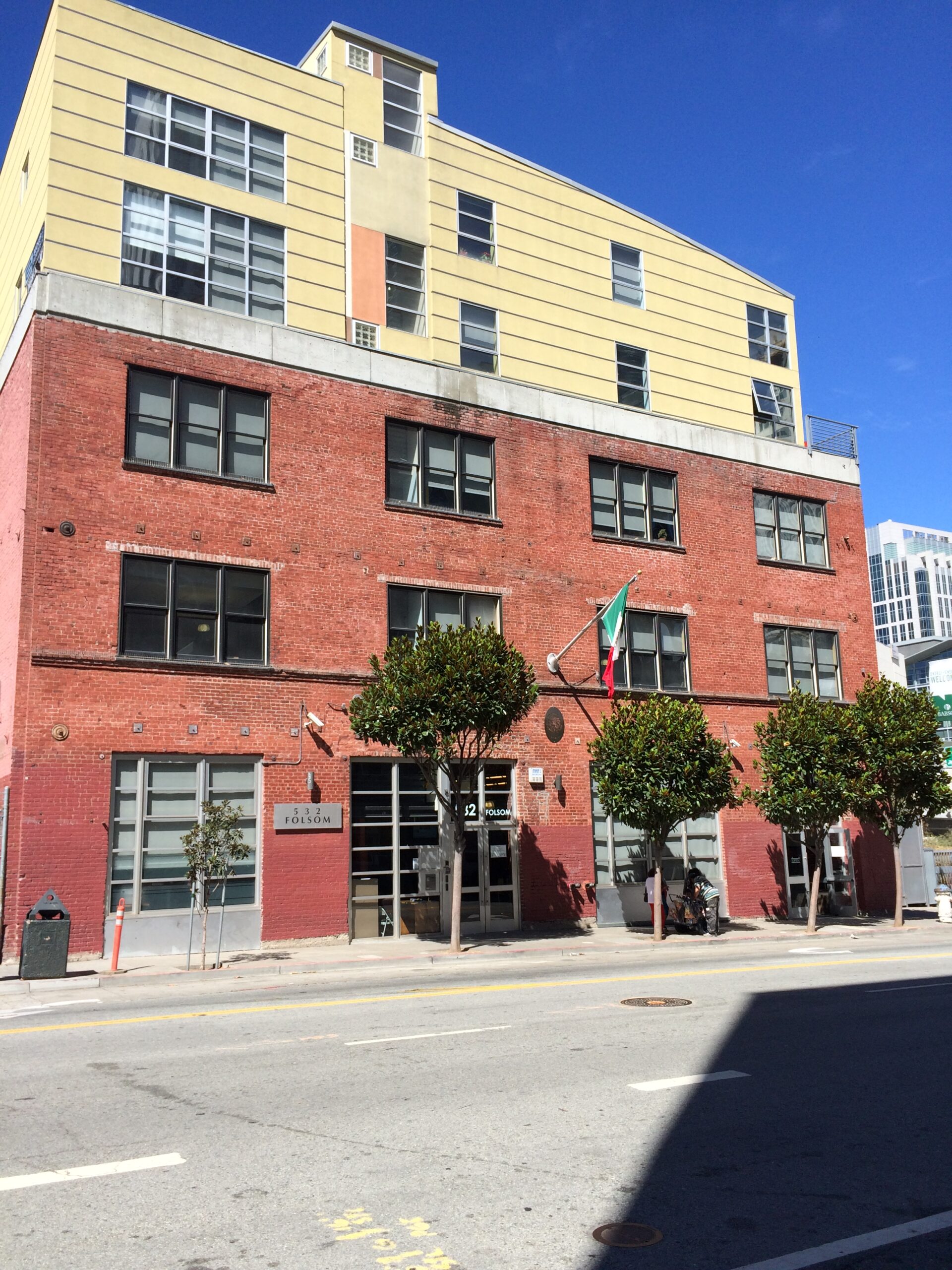
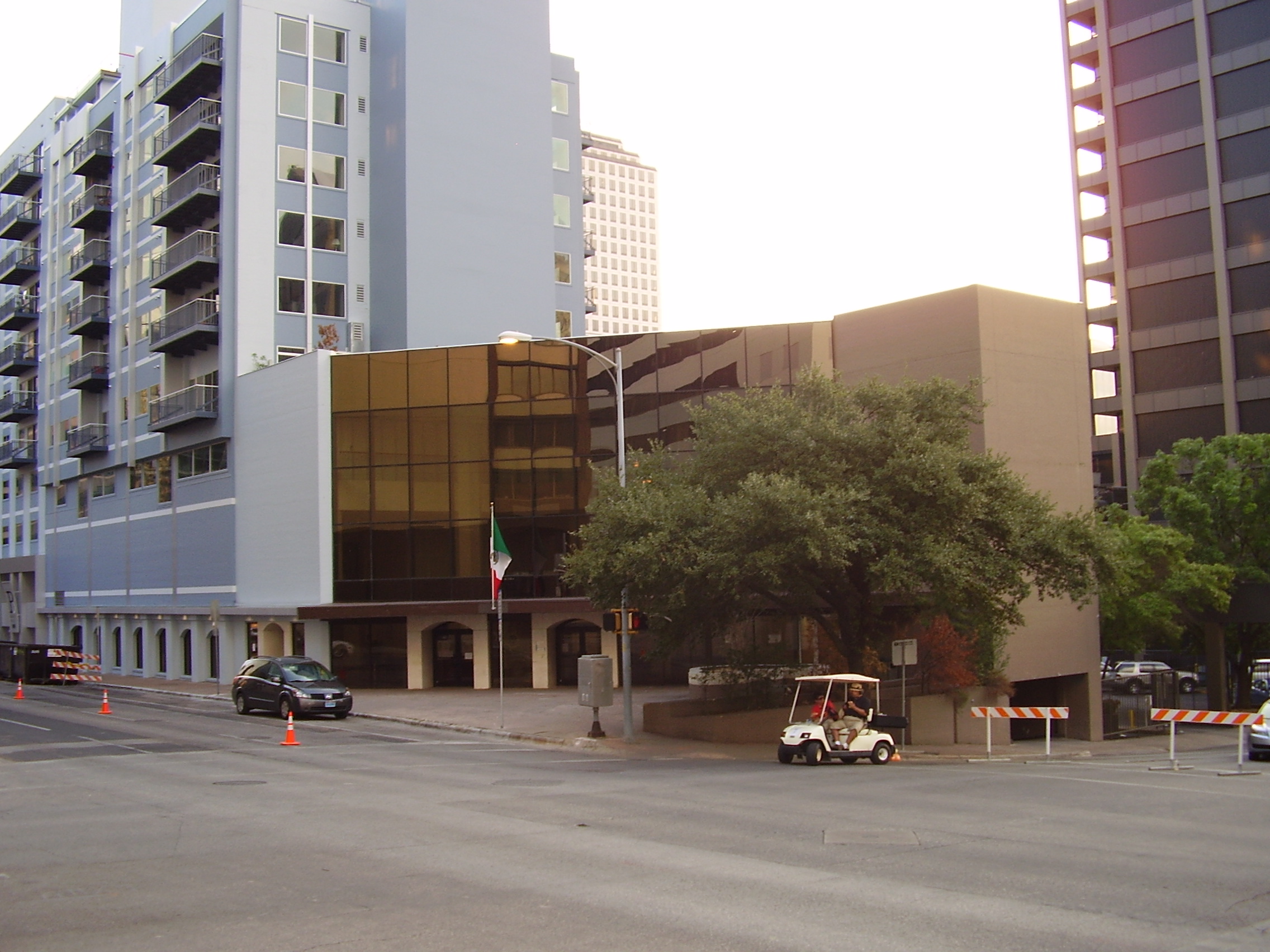
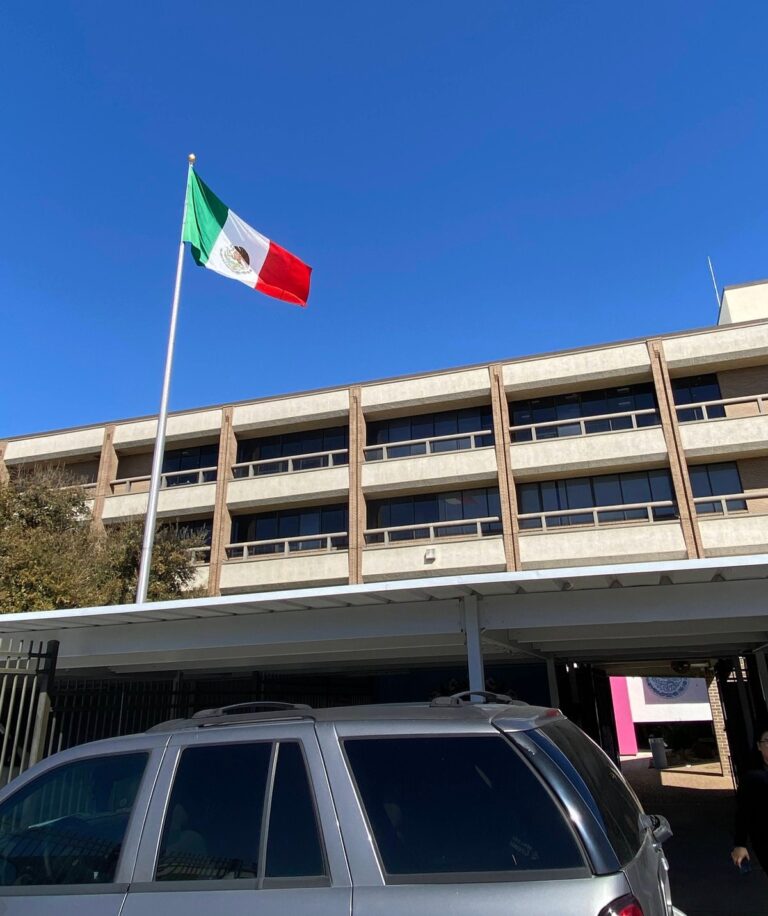
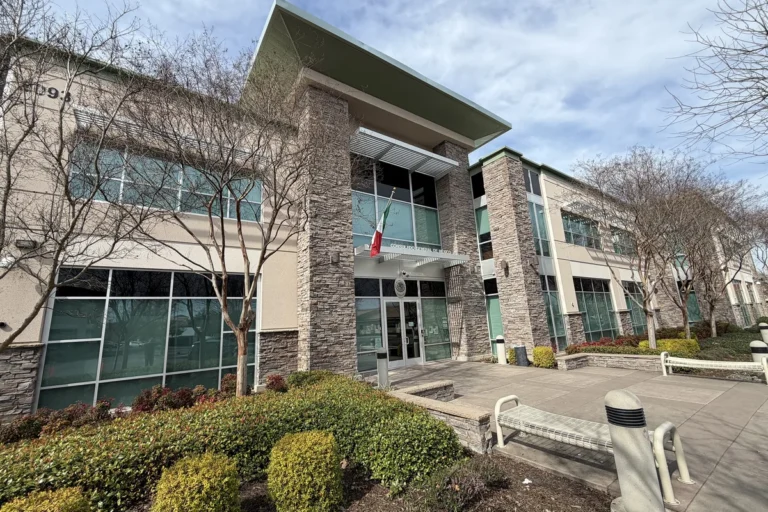
Research the specific consulate before booking. Some are known for strict documentation requirements, others for flexibility with savings-based applications or retirement income. Appointment availability also varies wildly, some consulates book out months ahead while others have openings within weeks. You are generally free to apply at any consulate in your country of residence, so it pays to compare two or three.
Step 2: Gather Your Documents
- Valid passport (with at least six months remaining, plus a photocopy)
- Completed visa application form
- Passport-style photo meeting Mexican specifications
- Proof of economic solvency: six months of bank statements for income, or twelve months for savings
- Supporting documents: employment letter, pension statements, or investment account statements depending on your route
- Visa application fee (about $54 to $56 USD depending on the consulate, paid at the consulate)
Print everything. Bring originals and copies. If your statements are electronic, some consulates want them stamped by your bank, check your consulate’s specific list.
Step 3: The Consulate Interview
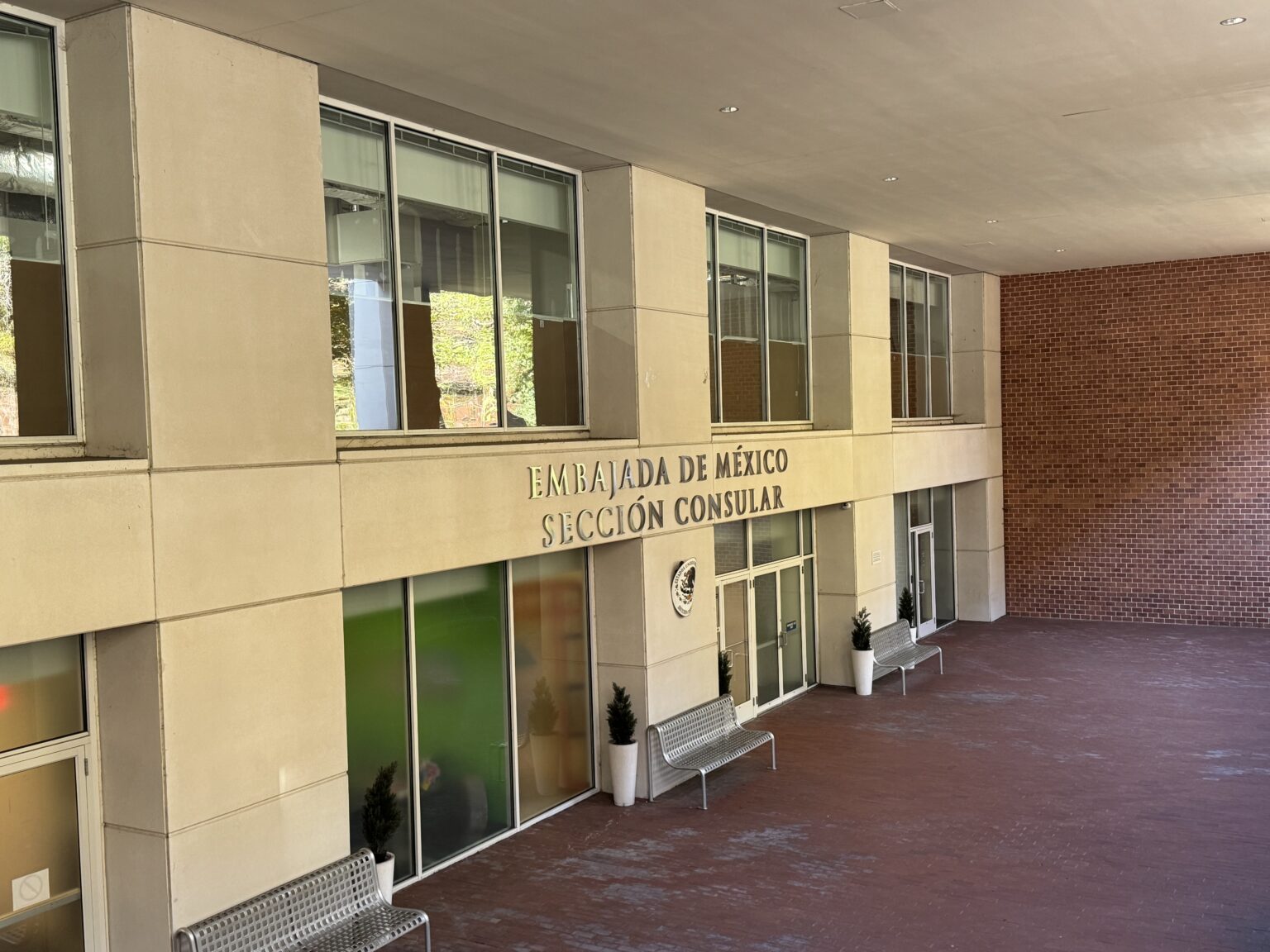
The interview itself is usually short, often under 15 minutes. The officer reviews your documents, asks why you want to live in Mexico, and verifies your financials. If approved, they place a visa sticker in your passport, usually the same day or within a few business days. That sticker is valid for 180 days and a single entry.
Step 4: Enter Mexico and Complete the Canje
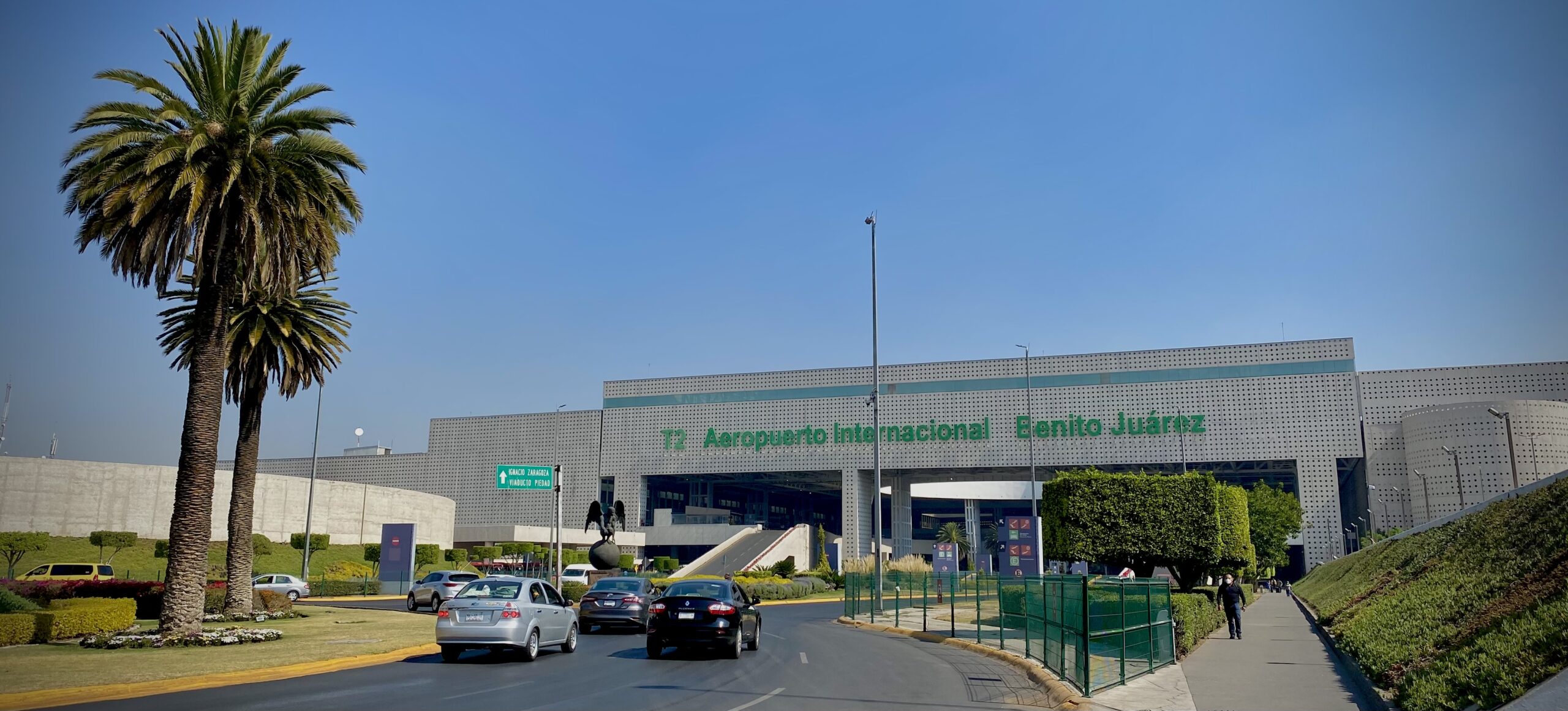
Once you enter Mexico with your visa sticker, a 30-day clock starts. Within those 30 days you must complete the canje, the exchange process at your local INM (Instituto Nacional de Migración) office that converts your visa sticker into an actual residency card. This is the step people underestimate. It involves an online pre-registration, forms, fees, photos, fingerprints, and often two or more visits to INM.
At entry, make sure you’re processed as a resident-in-progress, not admitted as a tourist. If you use an automated e-gate at the airport, you can accidentally enter as a tourist and create a genuine mess. Go to a staffed immigration booth and show your visa.
Airport: The exact canje process.
Step 5: Fees and Timeline
- Consulate visa fee: about $54 to $56 USD depending on the consulate
- Total realistic timeline: 2 to 3 months from first consulate appointment to card in hand, depending on appointment backlogs
The INM card fees for 2026, from 1 January 2026:
| Card | 2026 INM fee | About USD |
|---|---|---|
| One year | MXN 11,141 | $598 |
| Two years | MXN 16,693 | $897 |
| Three years | MXN 21,143 | $1,136 |
| Four years | MXN 25,058 | $1,346 |
| Permanent | MXN 13,579 | $729 |
Paying for four years up front costs MXN 25,058, about $1,346, against four one-year cards at about $598 each, about $2,392 in total, so the four-year card saves about $1,046 for anyone who is sure they will stay.
Fees adjust each January, so verify the current amounts on INM’s site or with your consultant before budgeting.
What happens after year one
Your first card lasts one year. Renew at INM before it expires, in person, with the same kind of file you brought to the consulate: your card, passport, proof of address, and the fee for the years you request.
You can renew for one, two, or three additional years at a time, up to four years in total as a temporary resident. After four consecutive years you convert to permanent residency at INM, and at that point you no longer have to prove income or savings. The permanent card costs MXN 13,579, about $729, in 2026.
Renew before the card expires. A lapsed card complicates renewal, so put the expiry date on your calendar the day the card arrives, and start the renewal file a month early so a missing document does not push you past the date. If you move to a new city, your INM office changes with your address, so confirm which office serves your new home before you book anything.
The Mistakes I See Constantly
- Applying at a consulate without checking its specific financial thresholds first
- Using bank statements with large unexplained deposits, consulates want consistent, explainable income
- Letting the 180-day visa window or the 30-day canje window lapse
- Entering Mexico through an e-gate and getting stamped as a tourist
- Booking a non-refundable move before the visa is actually approved
Before you act: Requirements, fees, eligibility rules, and local processes can change. Before making a financial, legal, medical, tax, insurance, immigration, or residency decision, confirm the current requirements with official sources and, when appropriate, a qualified professional.
Keep reading: The consulate appointment and interview, in depth.
Next step: Before you file, get a second set of eyes. Book a Planning Session.
Self-study: the Mexico Visa & Immigration Toolkit.
Is Temporary Residency the Right Route for You?
For most people under retirement age, yes. If you have very high, well-documented income or qualify through other routes, permanent residency directly from the consulate is sometimes possible, but temporary residency remains the standard, reliable path, and after four years you convert to permanent status without needing to prove finances again.
If you want a second set of eyes on your specific numbers, consulate options, and timing, book a Planning Session. I’ve lived in Guanajuato since 2018, hold permanent residency, and I track how individual consulates actually behave. Prefer to run it yourself? The Mexico Visa & Immigration Toolkit has every checklist and consulate script, and the Visa Checker tells you in two minutes whether your numbers qualify.
Documents from home in the file? Apostille Concierge runs the apostille or authentication chain for your birth and marriage certificates, sequenced against your filing date.
Quick Answers: The Questions I Get Most
How much income do I need for Mexico temporary residency in 2026?
You qualify with monthly income shown over the last 6 months, or with savings and investments averaged over 12 months, at thresholds each consulate sets from the Mexican minimum wage or the UMA unit. The current figures, temporary and permanent side by side, are in Temporary vs. Permanent Residency: 2026 Income Requirements. Always confirm with the specific consulate where you’ll apply.
Can I apply for temporary residency from inside Mexico?
Generally no. The standard process starts at a Mexican consulate outside Mexico, followed by canje (exchange) at an INM office within 30 days of entering. Limited exceptions exist, family unity cases and occasional regularization programs, but planning on applying from inside Mexico as a tourist is not a reliable strategy.
How long does the temporary residency process take?
The consulate appointment and visa approval typically take days to a few weeks depending on the consulate’s backlog. After entering Mexico, the canje process at INM usually takes 2 to 6 weeks. Budget 2 to 3 months end-to-end to be safe.
Can I work in Mexico on temporary residency?
Not automatically. Temporary residency without work permission doesn’t allow Mexican-source income. You can request work permission (permiso de trabajo) from INM, and remote work for foreign employers paid abroad is widely done, though you should understand the tax implications.
Does temporary residency count toward Mexican citizenship?
Yes. Years as a temporary resident count toward the residency requirement for naturalization, typically five years of legal residency (temporary plus permanent combined), or two years if married to a Mexican citizen.
Your CURP underpins most of these steps. My CURP guide for foreigners explains how to get it, fix errors, and what the biometric CURP means.
Additional details
Verified November 2026 against INEGI, INM, and the Mexican consulates.
How the peso numbers are built. Mexico sets the thresholds in UMA, and the 2026 UMA is MXN 117.31 a day from 1 February 2026. Temporary income is 680 UMA a month, which gives MXN 79,771, and temporary savings is 11,460 UMA, which gives MXN 1,344,373.
Permanent income is 1,140 UMA, which gives MXN 133,733, and permanent savings is 45,850 UMA, which gives MXN 5,378,664. Each dependent adds 220 UMA, or MXN 25,808 a month. Dollar figures in this guide use 18.62 pesos per dollar, the rate on 11 November 2026, so they move when the rate moves. Check the current rate and your consulate figure before you apply.
Where to go next. The residency and visas hub gathers the guides in this series. To test your own numbers, use the residency eligibility calculator. For the figures side by side with permanent residency, read Temporary vs. Permanent Residency: 2026 Income Requirements, and for what changed this year, read what changed in the 2026 residency numbers.
Official sources
Check figures and requirements against the official pages before you act; fees and thresholds change.
- Instituto Nacional de Migración (INM): immigration status, procedures and fees.
- Mexican consulates (SRE): visa requirements by consulate.
Last verified: November 2026 by Paul Green. Next review: January 2027, at the UMA reset.. Thresholds use the 2026 UMA (MXN 117.31 a day, INEGI, from 1 February 2026); dollar figures use 18.62 pesos per dollar, the rate on 11 November 2026.