The short answer
Updated November 2026. Mexican citizenship is the end of the residency road, a Mexican passport, the right to vote, no more INM renewals, and property ownership anywhere in the country with no bank trust. This guide maps the realistic route most expats follow from first visa to naturalization, what the law actually requires versus what people assume, and where the process gets slow.
Diagram built from the steps and figures stated in this guide.
Nine years is a long runway to plan around, a Planning Session early on can save you missteps that cost time later in the process.
What the law actually requires
Naturalization in Mexico runs through the SRE (Secretaría de Relaciones Exteriores), not INM. The standard requirement is five consecutive years of legal residency immediately before your application, and here’s the detail many people get wrong: those five years can include your time as a temporary resident. You do not legally need five years of permanent residency on top of your temporary years.
You do not legally need five years of permanent residency on top of your temporary years.
- Standard route: 5 years of legal residency (temporary and/or permanent)
- Married to a Mexican citizen, or parent of a Mexican-born child: 2 years
- Citizens of Latin American countries or Spain/Portugal: 2 years
- Physical presence matters: you generally can’t have been outside Mexico more than 180 days total in the two years before applying
So why do I call it the 9-year route?
Because that’s the journey most expats actually live, and I’d rather set honest expectations than legal minimums. The typical arc: four years as a temporary resident, conversion to permanent residency, a few more years of simply living, building the Spanish, the day counts, and the document file, then the application itself, which takes SRE anywhere from several months to well over a year to process.
Add it up with real-life travel, paperwork gathering, and appointment backlogs, and roughly nine years from first landing to passport in hand is the honest median I see. Some people do it in six. Very few do it in five.
The five years, counted day by day
Five years sounds simple until you count it. The law counts five consecutive years of legal residency immediately before the application, under article 20 of the Ley de Nacionalidad, and the count runs backward from the day you file.
Your temporary years count, as the section below says, and so do the years after you convert to permanent. What breaks the count is a gap: a residency card allowed to expire, or a period spent in Mexico on a visitor stamp, which is not residency at all.
The presence rule is the one people trip on. You generally cannot have been outside Mexico more than 180 days in total in the two years before applying, and the SRE checks INM’s entry and exit records against the dates you claim.
Count the days before you file, not after: a year of heavy travel in the two years before the application can push the filing date back by months. The two-year routes are the exception, not a shortcut around the count: spouses of Mexican citizens, parents of Mexican-born children, and citizens of Latin American countries, Spain, and Portugal qualify after two years, and the presence rule still applies to them.
| Year | What happens |
|---|---|
| 0 | Consulate visa, then the canje for your first temporary card |
| 1 to 4 | Temporary residency, four years, renewed as the card requires |
| 4 | Conversion to permanent residency |
| 5 | Earliest filing date for naturalization, if the day count holds |
| 5 to 9 | The application, the exams, the file, and the wait, while life goes on |
| About 9 | Passport in hand, on the honest median in this guide |
The start of the arc is in Mexico temporary residency step by step, the airport and INM steps are in the exact canje process, and the interview is in the Mexican consulate appointment and interview guide.
The requirements beyond time
- Residency card: valid and current at the time of application, don’t let it expire mid-process
- Spanish exam: conversational proficiency tested at SRE; it’s not academic, but you need functional Spanish
- History and culture exam: a multiple-choice test drawn from an official study guide covering Mexican history, geography, and civics (applicants 60+ are exempt from the exams)
- Clean records: federal and state background check letters (constancias de no antecedentes penales)
- Documents: apostilled and translated birth certificate, valid passport, residency card, photos, and the government fee
- Day counts: entry/exit records proving you meet the physical presence requirement. SRE checks INM’s records against your claims
The fee and the file: what the application costs
The federal fee for a carta de naturalización is MXN 9,500 in 2026, about $510 at 18.62 pesos to the dollar, the same for every route, and it is set in Anexo 4 of the Resolución Miscelánea Fiscal 2026.
You pay it at a bank before you file, using the SRE payment form, and the original receipt goes in the file: the SRE will not take an application without it. The appointment itself is free, and the SRE says it grants no appointments through gestores or outside websites, so anyone charging you for an appointment is selling you something the SRE gives away.
The fee buys the decision. Everything that goes into the file is yours to pay for: the apostille on your birth certificate, the translation by a perito traductor, the federal and state background check letters, photos, and travel to an SRE office that has appointments.
The amounts vary by state, by country of origin, and by translator, so treat any total from a blog as a shape, not a quote. One line in the file catches people out: article 19 of the Ley de Nacionalidad requires every applicant to renounce their previous nationality and swear allegiance to Mexican law.
For Americans the oath does not end US citizenship, and the dual nationality section below explains why, but the words are said in the ceremony and they are not a formality.
The application itself
You file at an SRE office (or delegation) with an appointment, and appointment availability is the first bottleneck, some offices book out months ahead. After filing, SRE reviews, may request clarifications, and eventually schedules your exams if they weren’t done at filing. When approved, you attend a naturalization ceremony, receive your carta de naturalización, and can then apply for your Mexican passport, CURP updates, and voter registration (INE card).
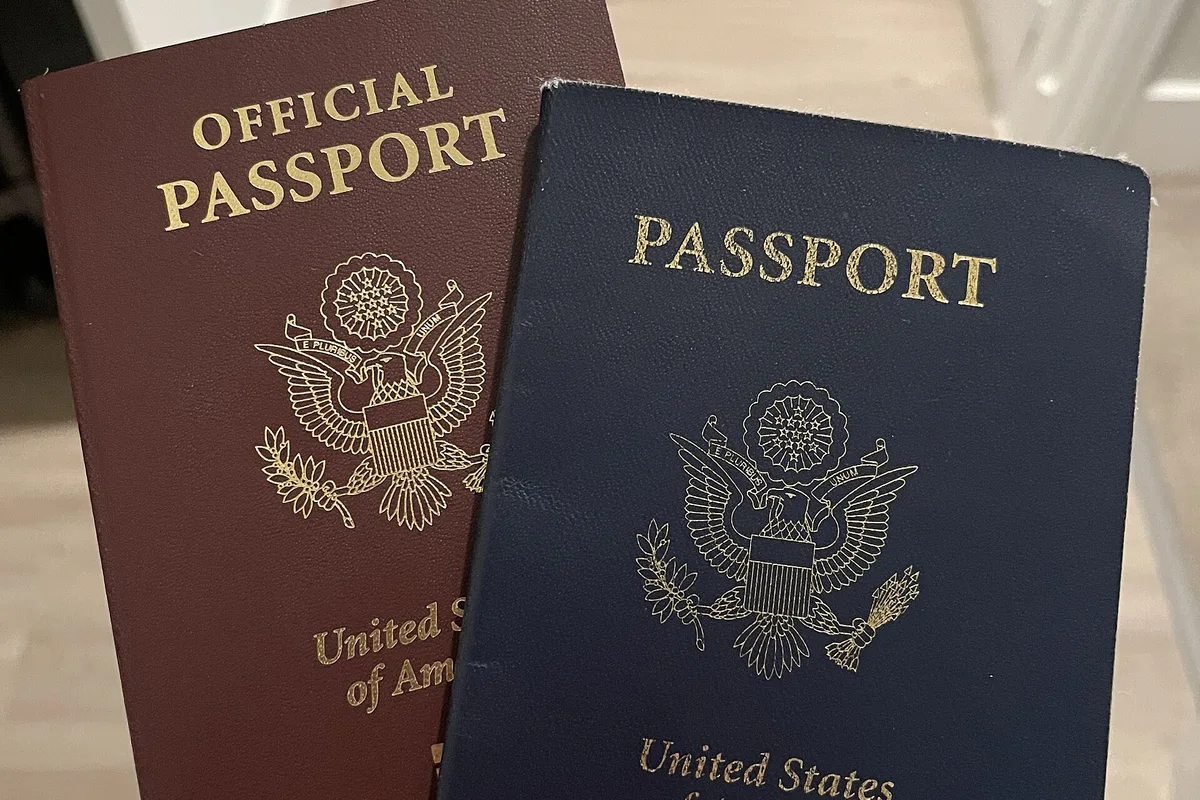
Dual nationality: what you keep and what changes

Mexico fully permits dual nationality, and the US and Canada both tolerate it. Americans do not lose US citizenship by naturalizing in Mexico, and US tax obligations continue exactly as before (citizenship-based taxation doesn’t care where else you belong).
Practical rules to know: Mexico expects you to enter and leave Mexico as a Mexican once naturalized, and dual nationals face a few restrictions like certain public offices. For everyday life, you simply gain a second full identity: passport, voting rights, unrestricted property ownership, and the quiet relief of never renewing a residency card again.
Is it worth pursuing?
Permanent residency already covers most practical needs, so citizenship is partly a values question. The people I see pursue it are the ones who know Mexico is home: they want to vote where they live, own beach property in their own name, pass Mexican nationality to their kids, and remove immigration status from their list of things that can ever go wrong.
If that’s you, the route is long but very walkable, and every year of it counts from the day you land with your first visa.
Plan the whole arc from day one
If citizenship is even a maybe, structure your residency with it in mind from day one, that long-game planning is exactly what the Planning Session is for. I’ve lived in Guanajuato since 2018, hold permanent residency, and I’ll help you set up the road so year nine actually arrives. The Visa & Immigration Toolkit keeps every document requirement in one place along the way.
Frequently asked questions
Can I get Mexican citizenship after five years of residency?
The standard rule is five consecutive years of legal residency immediately before applying, filed through the SRE, not INM. Shorter periods apply for spouses of Mexicans, parents of Mexican born children and some nationalities. Confirm current requirements with the SRE.
Do I lose my US citizenship if I naturalize in Mexico?
Mexico allows dual nationality, and Americans do not lose US citizenship by naturalizing in Mexico. US tax obligations continue as before. Confirm your situation with an immigration attorney, since rules for other nationalities differ.
What exams are required for Mexican naturalization?
Applicants take a Spanish exam at the SRE that tests functional, conversational ability, plus a multiple choice history and culture exam. Your residency card must be valid when you apply. Confirm the current format and study materials with the SRE.
How long does the Mexican citizenship application take?
Appointment availability is the first bottleneck, and some SRE offices book out months ahead. After filing, the SRE may request clarifications before scheduling your exams. Timing varies by office, so ask your local delegation for current wait times.
Is Mexican citizenship worth it if I already have permanent residency?
Permanent residency covers most practical needs. Citizenship mainly matters if you want to vote, hold a Mexican passport, or own coastal property in your own name without a bank trust. Treat it as a values decision and confirm details with a professional.
Keep reading: The Mexican consulate appointment and interview and Which Mexican Visa Type Actually Fits Your Situation.
Before you act: Requirements, fees, eligibility rules, and local processes can change. Before making a financial, legal, medical, tax, insurance, immigration, or residency decision, confirm the current requirements with official sources and, when appropriate, a qualified professional.
Related reading: temporary residency step by step, the 2026 UMA income requirements, and the canje process.
Official sources
Check figures and requirements against the official pages before you act; fees and thresholds change.
- Instituto Nacional de Migración (INM): immigration status, procedures and fees.
- Mexican consulates (SRE): visa requirements by consulate.
Additional details
Verified November 2026 against the Ley de Nacionalidad, the SRE, and Banxico.
Sources:
- Banco de México (Banxico): exchange rates.
Last verified: November 2026 by Paul Green. Next review: January 2027, at the UMA reset.
The nine-year median, the “some people do it in six, very few in five,” and the “several months to well over a year” for processing are this guide’s own experience, not a published statistic, and processing times vary by SRE office. The exam format and study materials change, so confirm the current format with your SRE delegation before you study for the wrong test. The exemption from the exams for applicants 60 and over is the guide’s statement as published.
Where to go next. The start of the route is in Mexico temporary residency step by step, the choice between routes is in temporary versus permanent residency, and the interview is in the Mexican consulate appointment and interview guide. Test the money routes in the cost calculator, and browse the guides index for the rest of the visa and residency set.