The short answer
Residency files rarely fail on the money. They fail on paper: a birth certificate without an apostille, a marriage certificate translated by a helpful bilingual friend, a document legalized by the wrong office. Mexican consulates check documents the way banks check signatures, and the fix after a refusal is weeks of reordering. Here is how the apostille and translation system works, which documents it touches, and the order to do it in.
What an apostille actually does
The apostille is a certificate under the Hague Convention of 1961 that authenticates the origin of a public document: the signature, the seal and the capacity of the official who signed it. It does not certify that the contents are true; it certifies that the document is genuinely what it claims to be, so a Mexican authority can accept a paper issued in Ohio or Ontario. Mexico, the United States and Canada are all parties to the convention, so documents move between them on apostilles rather than the older embassy legalization chain.
For US documents, the apostille comes from the Secretary of State of the issuing state for state issued documents such as birth, marriage and divorce certificates. Federal documents follow a federal route through the US Department of State. A notary stamp is not an apostille, and a document apostilled by the wrong state will be refused, which is why the first question is always where the document was issued, not where you live now.
Which documents usually need it
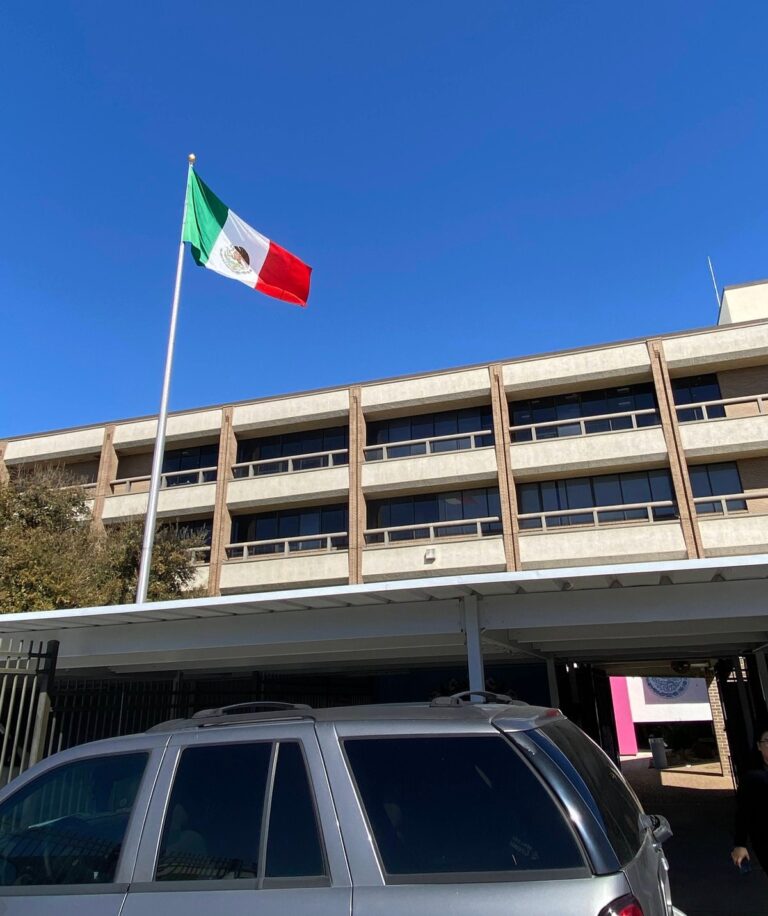
The consulate deciding your case sets the list, and lists vary a little by route, which is why our consulate appointment guide tells you to confirm requirements with your consulate before the interview. The recurring cast: birth certificates for family unity and for children’s files, marriage certificates for spousal applications, divorce decrees where a prior marriage ended, and documents behind a name change where your passport name and certificate name differ. Financial solvency for the standard economic route is normally proven with bank and income statements rather than civil documents, and those follow the consulate’s own format rules instead.
Family routes lean on civil documents hardest. Our page on family unity residency shows where each certificate enters that file. Order fresh certified copies from the issuing state or county early: vital records offices are the slowest link in the whole residency process, and an apostille can only be attached to a certified copy, never to a photocopy or a souvenir certificate.
Translations Mexico accepts
A document in English is only half a document in a Mexican file. Official use in Mexico requires a Spanish translation by a perito traductor, an expert translator authorized by the judiciary of a Mexican state, whose stamp and signature make the translation an official act. Translations done by friends, by online services without that authorization, or by the applicant are routinely rejected at INM and at consulates that require the authorized form.
Sequence matters. Apostille first, translate second, because the translation should cover the complete final document including the apostille certificate itself. Translators work from the finished paper. Keep the chain together afterward: original certified copy, apostille, translation, presented as one set, with your own plain copies for your files. Names must match across every page, letter for letter, including middle names and suffixes; a mismatch that looks trivial at a kitchen table reads as a different person at a government desk.
Putting the file together
Work backward from the appointment. Confirm the consulate’s document list in writing. Order certified copies the same day. Send them for apostille as they arrive. Book the perito traductor once the apostilled set is complete, and ask for the translation in the number of originals your route will consume, because INM keeps copies at more than one step. Leave margin: each stage is measured in days to weeks, and the whole chain is the part of a residency application most fully in your control.
Once the visa is issued, the paper discipline continues in Mexico: the canje process at INM runs on the same documents within 30 days of entry. Readers who want the whole sequence in one place will find it in the complete temporary residency guide.
DisclosureAffiliate link: if you buy or book through it, we may earn a commission at no extra cost to you. The full disclosure
Short stays in Guanajuato, on one map
The checking trip, mapped: Stay22 searches Expedia, Booking.com and more for current Guanajuato stays and shows them together, with live prices.
Frequently Asked Questions
Can a notary apostille my birth certificate?
No. A notary authenticates signatures for other purposes. State issued documents are apostilled by the Secretary of State of the state that issued them.
Can I translate my own documents into Spanish?
Not for official use. Mexico requires translations by an authorized court translator, a perito traductor, for documents in government files.
Should I apostille before or after translating?
Before. The translation should cover the final document including the apostille certificate, and the set is presented together.
Your Next Step
Document chains are where residency timelines quietly double. The My Mexico Move Plan, USD 299 once for life, sequences the whole file, consulate, canje and first 90 days, so each paper is ordered once, in the right order.
Before you act: This is a researched guide built from published sources, not legal, tax, medical or immigration advice. Figures and rules change, so confirm the current requirements with official sources and, when appropriate, a qualified professional.
Related reading: the consulate appointment and interview guide and family unity residency
Next step: Put your own numbers in the Mexico relocation cost calculator, then book a Planning Session if you want a second set of eyes.
Questions about your move?
Write to Paul at paul@mymexicomove.com.