
Paul Green
Founder
Paul moved to Guanajuato in 2018 and founded My Mexico Move in 2021. He writes the guides and builds the city profiles, tools and member platform.

City profile · Yucatán Peninsula
The capital of Yucatán, home to roughly a million people and consistently ranked among the safest cities in the Americas, with excellent hospitals and a settled expat community. The trade is the heat: afternoons past 100°F from April to June.
Verified November 2026
Mérida is the capital of Yucatán, home to roughly a million people, and consistently ranked among the safest cities in the Americas. It has a grand colonial centro, excellent hospitals, a modern north side with every North American convenience, an international airport, and a settled expat community that has been here long enough to build real institutions. On paper it checks nearly every box, and for many people it is the right answer. There is one enormous asterisk, and it is the weather.
Travel advisory: Yucatán is at Level 1 (Exercise Normal Precautions) in the US State Department Mexico advisory dated 11 August 2026, the lowest level on the scale. The full picture is in the Safety section below.
Mérida is the easiest city on this list to drive in and the hardest to walk across, because it is a big, flat, gridded city built for cars. Centro is walkable in the colonial sense, the Plaza Grande, the Paseo de Montejo and the markets are all on foot, but the city sprawls, the sun is brutal at midday, and the neighborhoods where most expats live are not walking distance from each other. Most long-term residents keep a car, and it is the normal choice here in a way it is not in Guanajuato or San Miguel.
The bus system has improved greatly in the last few years with the arrival of the Va y Ven system. The buses link almost everywhere in the city, they run on a cash-free swipe card bought at Oxxo and other shops, and there is an app for routes. Taxis are plentiful and rideshare apps operate across the city, so living carless is possible, especially in Centro, García Ginerés or Itzimná, but it takes planning and patience in the heat.
The international airport (MID) sits on the southwest edge of the city, a short drive from Centro, with direct flights to Houston and Miami in about two hours, and to Mexico City, Guadalajara and Cancún domestically. That two-hour hop to Houston is a real part of the proposition for people who keep US doctors, US family, or a US base. Driving out, Progreso and the Gulf beaches are about half an hour north, and the archaeological sites of Chichén Itzá and Uxmal are day trips.

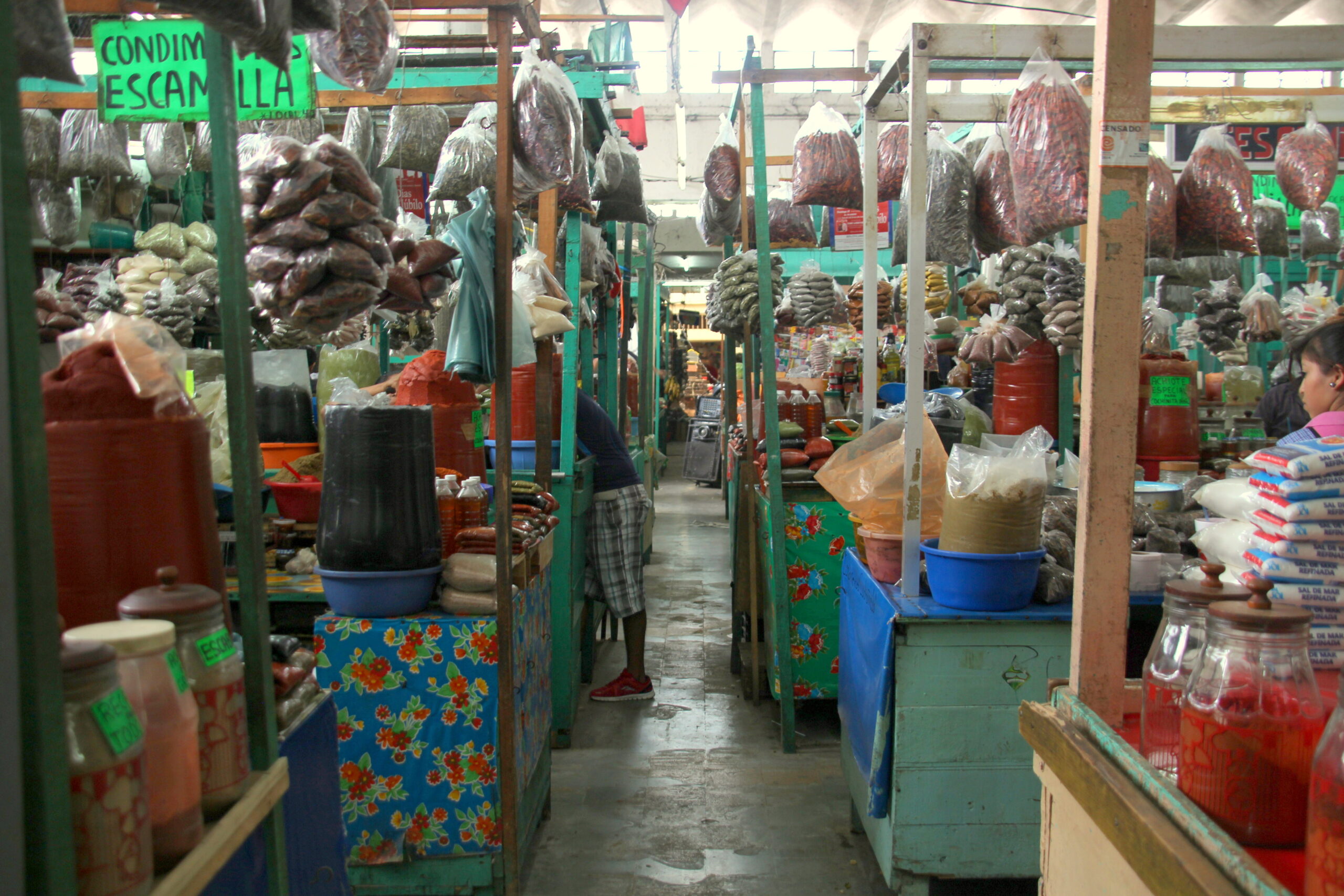
Mérida is a market city, and the Mercado Lucas de Gálvez is its beating heart: the city's main market, open daily from 7 am to 9:30 pm, with produce and local foods downstairs and an artisanal market and food court on the first floor. It is where residents buy, where the food stalls serve tamales, tacos, tortas and ceviche, and where a weekly shop costs a fraction of the supermarket equivalent. The neighborhood markets are the quieter version: Santa Ana, Santiago, San Sebastián and Chuburná each have their own market square, and the barrio markets are where long-term residents actually shop once they settle in.
For the supermarket run, the north side has everything: Soriana, Chedraui, Walmart and Costco all have Mérida stores, plus the local Super Akí chain. Imported goods are available and priced as imports, and the north-side malls carry the full North American comfort range. The honest pattern is a split shop, market for produce and meat, supermarket for everything else, and the savings from cooking Yucatecan at home are real.
The expat community here is settled rather than transient: libraries, clubs, volunteer organizations and a long-running social infrastructure, alongside a proud, deep-rooted Yucatecan culture that is distinct from the rest of Mexico. Daily life splits between the colonial centro's evenings, markets and cultural calendar, and the north side's modern convenience. Spanish opens the city up considerably; Yucatán rewards people who settle in for the long term rather than passing through.
What is different about Mérida is how institutional the foreign presence is. The community has been here long enough to run its own organizations, its own social calendar, and its own support networks for healthcare and housing, and newcomers plug into that within weeks. At the same time, the city is a million people and proudly Yucatecan, so the expat world is a small part of a big local city, which is a healthier balance than in the smaller expat towns.
A comfortable two-bedroom home or condo with air conditioning runs about $600 to $1,200 USD a month, with renovated centro colonials and premium north-side condos above that range, and local neighborhoods well below it. Rent character follows the same split as the neighborhoods: centro colonials run on charm and age, with the maintenance that old houses bring, while the north runs on newer builds, air conditioning that works, and a car in the driveway.
Before you sign a lease, stay a few weeks in the neighborhood you like most and test it as a resident, not a tourist.
Renting here long term? Rental Verification checks one Mérida listing, its landlord and its lease before you pay, with a written verdict in 48 hours.
Mérida sits within 50 kilometers of the Gulf coast, which puts it inside Mexico's restricted zone, so a foreign buyer here needs a fideicomiso bank trust to hold residential property. The trust costs about MXN 21,650 in SRE fees plus the bank's annual fee, and it is a standard, well-understood process, not a reason to avoid buying. Your notario público handles the closing and verifies title, and in Mérida the notario is as important as the agent.
Centro colonials are the dream and the risk: beautiful, old, and expensive to maintain, with thin walls, high ceilings and no insulation against the heat. North-side houses and condos are newer, cooler and easier, and Progreso beach houses carry their own maintenance reality in salt air. No verified current purchase-price range is published on this page, because the market ranges from a centro colonial renovation project to a north-side new build, and a single range would mislead. Rent first, live through a May, and buy only after you know which heat you can live with and which neighborhood you actually use.
Healthcare is one of Mérida's strongest cards. The city is the medical hub for the whole Yucatán Peninsula, with major private hospitals concentrated in the north of the city, deep specialist benches, and prices well below US levels. The names to know are Star Médica Mérida, the largest and most modern private hospital in the city, in the Altabrisa area, with the widest range of specialties and the most consistent English-language support; Hospital Faro del Mayab, run by Christus Muguerza in the north near Prolongación Montejo, known for surgical care and strong English-speaking physicians; Clínica de Mérida, a well-established mid-range private hospital in central Mérida; and Centro Médico de las Américas, also in the north. For retirees weighing healthcare heavily, few Mexican cities outside the biggest metros match it, and the airport puts US care within a short flight for those who keep that option open.
The public side is serious too: the Hospital General Dr. Agustín O'Horán is the state general hospital, the Hospital Regional de Alta Especialidad de la Península de Yucatán is the high-specialty regional hospital, and IMSS runs its own hospital capacity in the city, including the T-1 Ignacio García Téllez hospital. IMSS voluntary enrollment is available to legal residents and is the cheapest backstop, with waiting periods and pre-existing condition exclusions. Most foreign residents pair a north-side private hospital with either IMSS or a private policy, and many pay cash for routine visits.
| Facility | Type | What the profile says |
|---|---|---|
| Star Médica Mérida | Private hospital | Largest and most modern in the city, Altabrisa, widest specialties, most consistent English-language support |
| Hospital Faro del Mayab (Christus Muguerza) | Private hospital | North, near Prolongación Montejo, surgical care, strong English-speaking physicians |
| Clínica de Mérida | Private hospital, mid-range | Central Mérida, well established |
| Centro Médico de las Américas | Private hospital | North of the city |
| Hospital General Dr. Agustín O’Horán | Public, state general hospital | The state general hospital |
| Hospital Regional de Alta Especialidad de la Península de Yucatán | Public, high-specialty regional | The high-specialty regional hospital |
| T-1 Ignacio García Téllez | Public, IMSS | IMSS hospital capacity in the city |
Mérida is the strongest retirement proposition in this batch for people who can take the heat. The combination is hard to beat: the safest big city in Mexico, the peninsula's best hospitals, a settled community, an airport two hours from Houston, and costs that let a normal retirement income live generously. The retiree math works, and the healthcare shape, strong local private hospitals plus a short flight to the US, is exactly what most retirees need.
The fit fails on two points: the heat, which is not a footnote but the deciding factor, and isolation, because Mérida sits apart from the rest of Mexico, geographically and culturally. Retirees who love it tend to be the ones who tested it in May, chose the north side or García Ginerés for the practical daily life, and built their social world across both the expat community and the local city. Retirees who struggle are the ones who moved on the safety ranking alone and met the May heat unprepared.
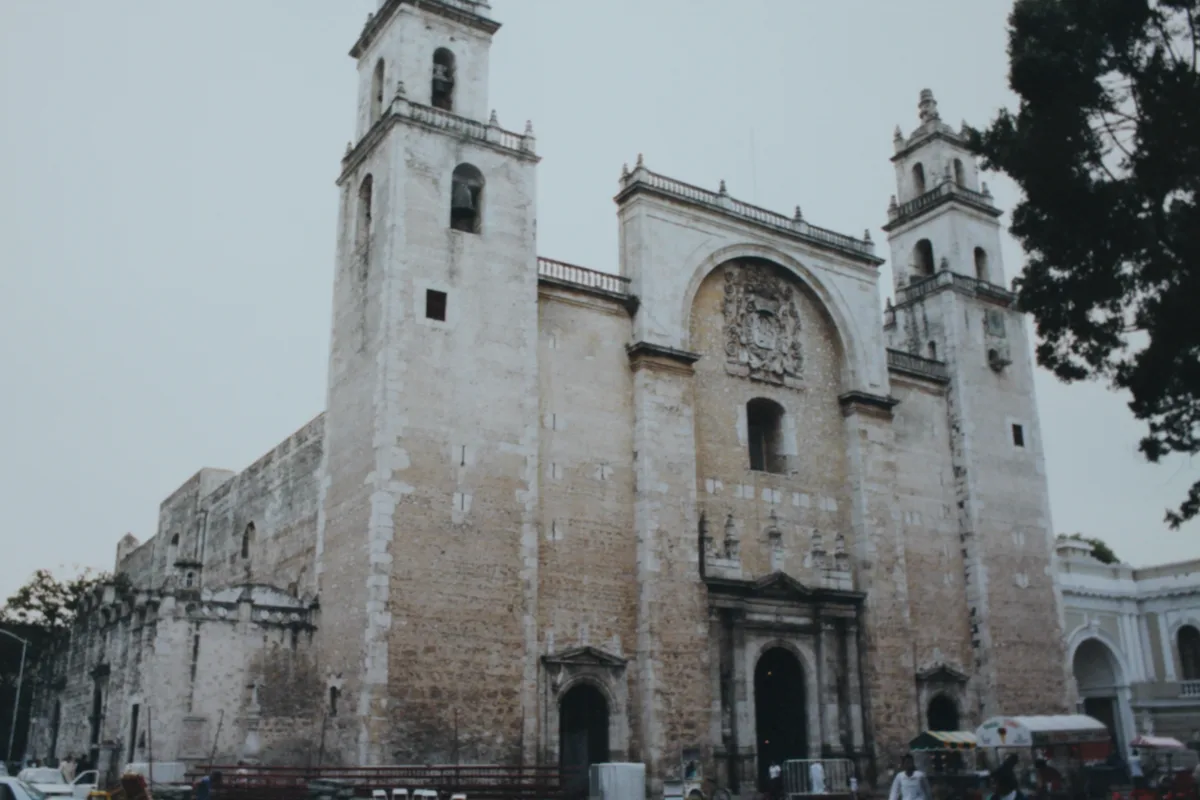
Mérida works well for remote workers. Fiber internet is widely available, coworking is real here, with venues including Clustar and Espacio 47 in the center and IOS Offices on Prolongación Montejo, and the café culture in Centro and García Ginerés is strong. The timezone is Central, the same as Houston and Chicago for most of the year, and the airport makes the occasional US trip easy.
Local work for foreigners is the usual story: you need residency with permission to work, and the local market is tourism, services, education and a growing tech scene, with pay far below US levels. Most foreigners who earn here work remotely for clients abroad. The honest read is that Mérida is a base for remote income, and a good one, with the caveat that May will test your air conditioning and your resolve in equal measure.
The practical warning is the commute: Mérida is a big city, and a school on the far side of town from your house will shape your daily life, so choose the neighborhood and the school together. Families should also budget for the air conditioning that a school day in May requires, and for the fact that the city's social world for children is local and Spanish-speaking, which is a gift if your children learn the language.
Mérida has the deepest international-school bench outside Mexico City, which is one of its strongest cards for families. The American School of Mérida, known as AMS, runs an American-style program with Advanced Placement courses for high school students. Madison International School offers a bilingual education with a global citizenship focus. Rogers Hall, Cumbres and the Escuela Modelo are the other names families ask about first, covering bilingual, Catholic and international models from early childhood through high school.
What is not verified for this profile: current tuition, admissions timelines, and which schools have places for a mid-year arrival, so contact the schools directly and treat this list as a starting point.
Yucatecan food is the best reason to live here that has nothing to do with cost. Cochinita pibil, sopa de lima, panuchos and salbutes, papadzules, and the Sunday ritual of poc chuc are all local, cheap and everywhere, and the market food stalls are the fastest education. The centro runs a serious restaurant scene along the Paseo de Montejo and around Santa Lucía, and the north side has the international range, sushi, Italian, American chains, at prices that reflect the audience.
Eating out is cheap enough to do often, and a couple who cooks from the market most days will find the food budget the easiest line in their monthly total. The one cost to watch is not food but the electric bill in the hot months, and the drinks bill on the Paseo, which is where the city's prices meet its beauty.

Mérida's evenings are civilized and musical. The Paseo de Montejo and the centro run bars, live music and restaurants that stay busy into the night, Santa Lucía park hosts its Thursday serenades, a Yucatecan tradition of live music in the plaza, and the city's festival calendar is one of the fullest in Mexico. The centro is the nightlife; the north side is quieter, family-oriented and earlier to bed.
It is not a resort-party town, and it does not pretend to be. The honest shape is dinners, music in plazas, and a beer on a rooftop, with the heat pushing most of the action into the evening hours. If you want a late-night club scene, you will be disappointed; if you want to walk a colonial plaza at 10 pm with a band playing, Mérida is hard to beat.
Yucatán is at Level 1 (Exercise Normal Precautions) in the US State Department Mexico advisory dated 11 August 2026, verified November 2026. Yucatán is one of two states at Level 1, the lowest level on the scale. Advisory levels change, so read the current advisory before you commit, and check it again before any trip.
The honest neighborhood read: Mérida is the safest large city on this list by a wide margin, and daily life in Centro, García Ginerés, Itzimná and the north side feels calm at all hours. That does not mean risk-free. The risks are the ordinary ones, pickpocketing in the markets, rental and real estate scams aimed at newcomers, and petty theft from cars, plus a hurricane-season reality on the Gulf coast from June to November that residents take seriously. Level 1 is the advisory's lowest level, not a promise, and it still pays to lock the car, use a taxi late at night, and verify any property deal through an independent notario.
A comfortable two-bedroom home or condo with air conditioning runs about $600 to $1,200 USD a month, with renovated centro colonials and premium north-side condos above that range. One-bedroom apartments run about $465 a month outside the center and $638 in it, on Numbeo's Mérida survey (updated 13 November 2026, 424 entries). A couple living well, eating out regularly, running the AC without anxiety, typically spends $2,000 to $2,800 a month all in. Frugal setups in local neighborhoods come in well under that; the variables that move the total most are the electric bill in the hot months and imported comforts. Against the Pacific resorts and San Miguel, Mérida still reads as value, provided the climate suits you.
| Item | Figure | Basis |
|---|---|---|
| Monthly total, a couple | $2,000–$2,800 | A couple living well, all in |
| Rent, two-bedroom home or condo with air conditioning | $600–$1,200 | Per month |
| Rent, one-bedroom outside the center | About $465 | Per month, Numbeo |
| Rent, one-bedroom in the center | About $638 | Per month, Numbeo |
No single-person monthly total is published in this profile.
Turn these numbers into your eight-stage plan.
Get the My Mexico Move Plan, $299
Get the Planning Session, $249 Get the All-Access Bundle, $79 Get the Master Guide, $29
The full $249 session fee and the full $29 guide price come off the $299 Plan when you join within 12 months.
Take this city with you: the Mérida Per-City Pack, $19, has the rents, hospitals, IMSS, Spanish, safety and a printable dated checklist for this city, built only from this profile.
From April through June, Mérida afternoons push past 100°F with humidity that makes the air feel like soup. May is the month that breaks people: it is the peak of the heat, just before the rains, and it is when the Mérida dream quietly dies for a meaningful share of new arrivals. Do not commit to this city without spending real time here in May. Air conditioning is not a luxury here, it is life support, and heavy use can push a household onto CFE's punishing high-consumption DAC tariff, turning the electric bill into one of your largest monthly costs. Everything else about Mérida is manageable. The heat is the decision.
Average high and low temperature by month, with monthly rainfall. Dark bars are average highs, pale bars are average lows.
Averages: individual hot-season afternoons run hotter than the monthly average high.
Rainfall by month, in inches.
| Month | Average high | Average low | Rainfall |
|---|---|---|---|
| Jan | 87°F (30.8°C) | 62°F (16.9°C) | 1.4 in (34.4 mm) |
| Feb | 90°F (32.1°C) | 64°F (17.5°C) | 1.1 in (26.7 mm) |
| Mar | 94°F (34.5°C) | 66°F (19.1°C) | 1.0 in (26.4 mm) |
| Apr | 97°F (36.3°C) | 70°F (21.0°C) | 1.0 in (25.0 mm) |
| May | 98°F (36.7°C) | 72°F (22.3°C) | 2.6 in (66.8 mm) |
| Jun | 95°F (35.1°C) | 73°F (22.8°C) | 6.0 in (152.0 mm) |
| Jul | 95°F (35.0°C) | 73°F (22.6°C) | 5.6 in (143.1 mm) |
| Aug | 95°F (35.1°C) | 73°F (22.6°C) | 6.0 in (152.3 mm) |
| Sep | 94°F (34.2°C) | 73°F (22.6°C) | 7.3 in (184.2 mm) |
| Oct | 91°F (32.7°C) | 71°F (21.4°C) | 3.9 in (98.7 mm) |
| Nov | 89°F (31.6°C) | 67°F (19.2°C) | 1.7 in (42.4 mm) |
| Dec | 87°F (30.7°C) | 64°F (17.5°C) | 1.8 in (44.5 mm) |
Source: Servicio Meteorológico Nacional, Mérida (Centro/Observatorio), 1991–2020 normals.
You will struggle here if heat and humidity genuinely flatten you, if you want the beach as your front yard (the Gulf at Progreso is pleasant, but this is not the Caribbean), or if you need Mexico's big-city depth of everything. Mérida also sits apart, geographically and culturally, from the rest of the country, which residents either love as an identity or feel as isolation. Weigh those against safety, healthcare and value, and test the whole package in May before you sign anything long.
Disclosure Affiliate link: if you buy or book through it, we may earn a commission at no extra cost to you. The full disclosure
Stay22 searches Expedia, Booking.com and more for current Mérida stays and shows them together, with live prices. Start with the neighborhoods this profile points you to.
Merida against the cities readers weigh it against, on the same dataset as this profile:
The advisory level in the Safety section is from the US State Department Mexico advisory, checked in November 2026. The rent and monthly cost ranges in this profile are the ranges printed in the sections above, reviewed in November 2026. Prices move, so confirm any figure you are about to act on before you commit.
Keep planning: price your month in our cost calculator, compare cities side by side on the city comparison page, read our safety and healthcare guides, or take the city match quiz.
Mérida’s headline tours and tickets, bookable through GetYourGuide:
Affiliate links: if you book through GetYourGuide here, we may earn a commission at no extra cost to you. See the Affiliate Disclosure.
The one page brief carries this profile’s snapshot costs and rent, its healthcare frame and, where the profile states one, its advisory note, printed word for word.
The profile snapshot puts a couple at $2,000 to $2,800 a month in Mérida, with 2BR rent at $600 to $1,200.
Yucatán is at Level 1 (Exercise Normal Precautions) in the US State Department Mexico advisory dated 11 August 2026, the lowest level on the scale.
Mérida is the peninsula medical hub, with excellent hospitals serving the Yucatán Peninsula.
Anyone who cannot handle serious heat. The profile snapshot lists the climate as very hot from April to June, and the profile calls the weather its one enormous asterisk.
No ratings yet. The average appears after 5 ratings, so one score cannot pose as a verdict. To rate this city profile, leave a comment below and pick your stars in the comment form. First comments are held for a quick moderation check before they appear.
Corrections and first-hand tips are welcome. Keep comments on topic and kind, and please do not share personal immigration case details here. Read the Comment Policy before posting.
Find Your City in Mexico walks the main destinations through cost, safety, climate, healthcare and community, in order.
money back guarantee
Who’s behind the site
We are Paul and Adriana, and we run My Mexico Move together: Paul from the guides and the platform side, Adriana from Guanajuato, where she leads our partnerships and the ground work behind every profile.

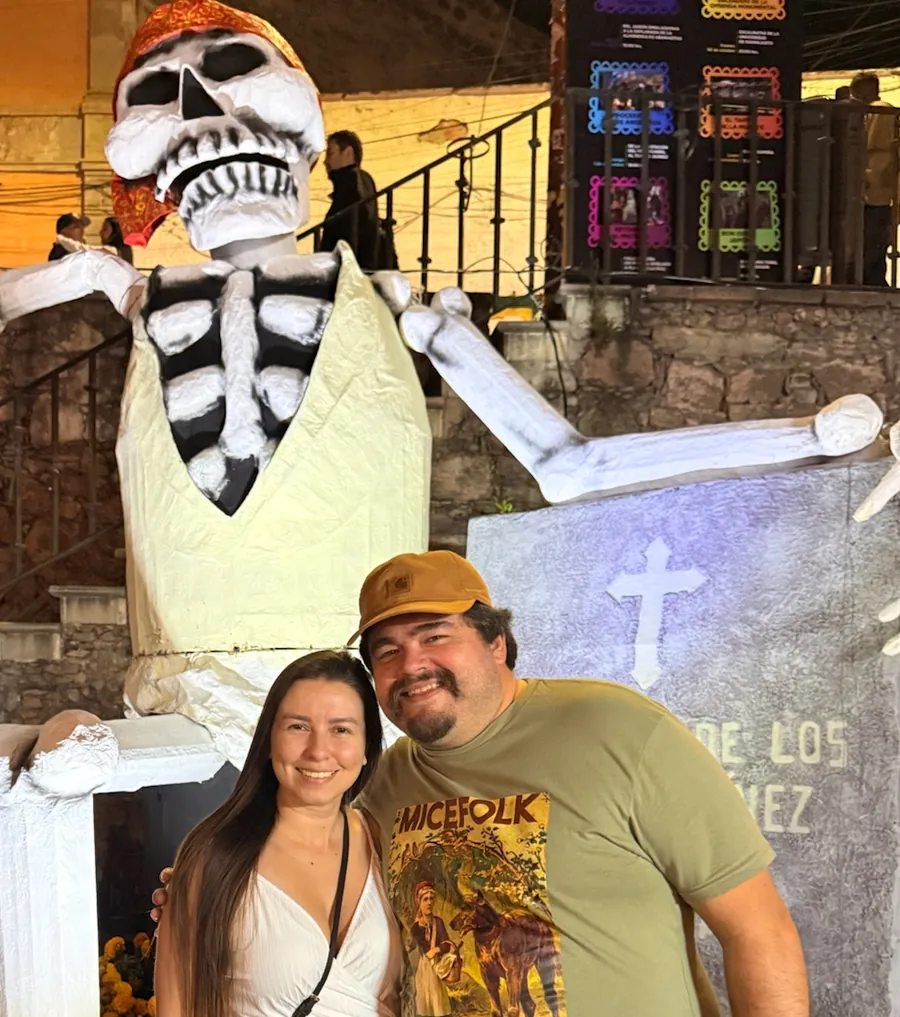
Founder
Paul moved to Guanajuato in 2018 and founded My Mexico Move in 2021. He writes the guides and builds the city profiles, tools and member platform.

Partner
Adriana Vaca is Paul’s partner and leads partnerships and operations at My Mexico Move. Based in Guanajuato, she builds the relationships with the Mexican businesses in our directory, reviews our Spanish-language content so it reads the way it should, and runs the Mexico ground work our guides and city profiles depend on. A broadcaster by trade, she presented on Exa FM Irapuato and has worked as a commercial voice talent since 2017. Her studio, Voice con Vida, produces the audio across our sites.
Say hello any time, or write to us through the contact page.