Disclosure Affiliate link: if you buy or book through it, we may earn a commission at no extra cost to you. The full disclosure
The short answer
Paul moved to Mexico alone in 2018, so this guide draws on his own experience and his solo clients. Moving alone is in some ways the easy mode with a lonely first act.
I moved to Mexico alone in 2018, no partner, no job transfer, no friend waiting at the airport. So this guide isn’t theoretical: it’s what I learned, what my solo clients confirm over and over, and the honest answer to the fear underneath the question. Moving alone isn’t the hard mode of relocation. In some ways, it’s the easy mode with a lonely first act.
I moved to Mexico alone in 2018, no partner, no job transfer, no friend waiting at the airport.
A Planning Session is particularly useful solo, community and safety tend to matter more when you don’t have a built-in support system on day one.

The advantages nobody mentions
- You optimize for exactly one person:your budget, your city, your neighborhood, your schedule, no compromise math, no negotiating whose deal-breakers win.
- You integrate faster:couples talk to each other; solo movers talk to Mexico. The necessity of building a life forces the Spanish, the invitations, the local friendships that couples can quietly postpone forever.
- Mexico is structurally social:plaza culture, market vendors who learn your name, neighbors who actually neighbor. Daily casual human contact, the thing that makes solitude feel like solitude instead of isolation, is ambient here in a way it stopped being up north.
- The visa is identical:one person’s finances, one application, same 2026 thresholds (~$4,400 USD/month or ~$74,000 savings). No family-unit complexity.
The honest hard part: months one through three
The first ninety days alone are the whole challenge compressed: no built-in dinner companion, every bureaucratic errand solo, and the evening hours where a new city’s unfamiliarity gets loud. This phase is survivable by design, not by toughness, the solo movers who struggle are the ones who treat social life as something that happens to them, rather than the second job it briefly is. Expect week six to be the trough. Expect month four to surprise you.
The social playbook that actually works
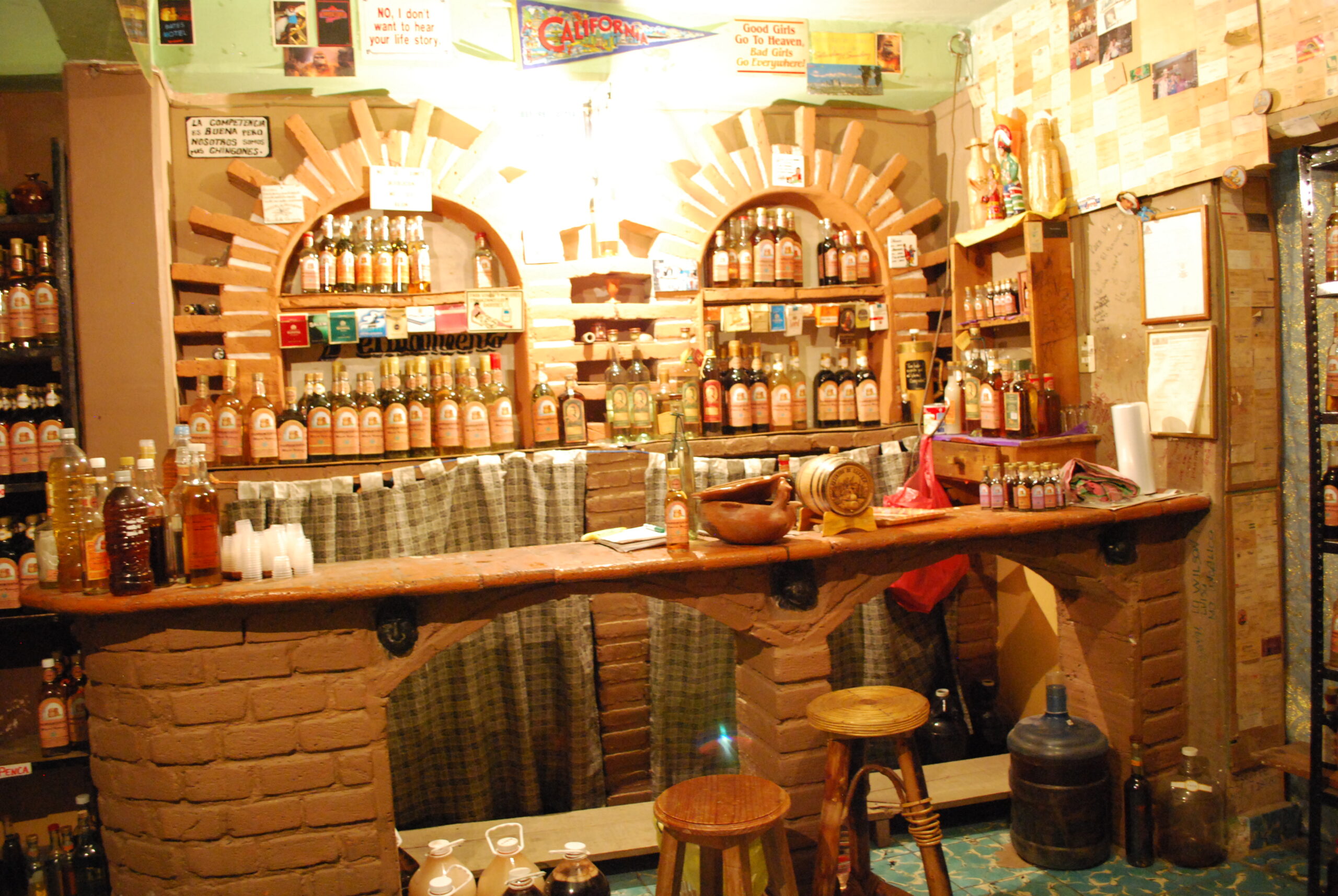
- Choose a city with social infrastructure:this matters triple for solo movers. San Miguel, Chapala, and Vallarta hand you a community; CDMX, Oaxaca, Guanajuato, and Mérida offer rich scenes you assemble yourself; car-dependent suburbs are solo-mover quicksand.
- Join three things in month one:one exercise (gym class, hiking group, dance), one learning (Spanish school, the classic friendship factory), one interest (volunteering, art, whatever’s yours). Three groups produce a calendar; one produces an acquaintance.
- Say yes indiscriminately for six months:every invitation, every intercambio, every awkward expat meetup. Selectivity is a luxury for year two.
- Use the expat groups as scaffolding, not the building:they’re instant orientation and first-week coffee dates; the deep life comes from the Spanish-speaking side as your language grows.
- Establish regulars:one café, one fonda, one market route, repeated weekly. In Mexico, familiarity converts to belonging startlingly fast, by month three, places greet you.
Solo safety, said plainly
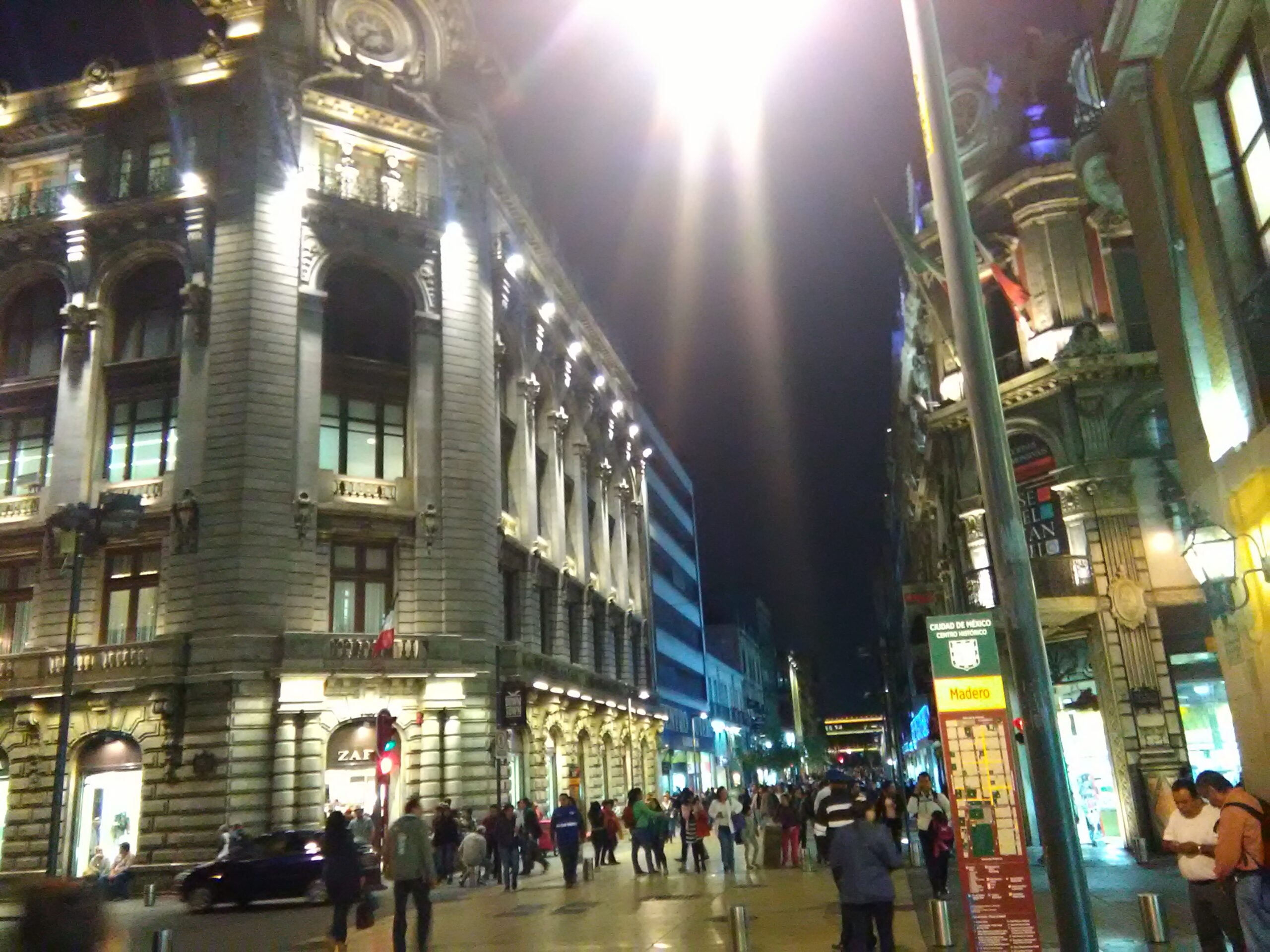
The question every solo mover’s family asks. The truthful answer: in the cities I recommend, solo expat life, including solo female expat life, which is its own large and thriving community here, runs on the same rules as any city anywhere: know your neighborhoods, use Uber at night, keep flash modest, build the local knowledge that residents have and tourists don’t.
Solo women I work with consistently report feeling safer in Mérida, Querétaro, or San Miguel than in comparable US cities. Choose the city partly on this axis and the fear shrinks to street smarts.
The solo money, worked out: what one person actually spends
Solo life is efficient here, and the numbers show why. This guide puts a single person’s comfortable budget at $1,400 to $2,200 a month, and the FAQ gives a Guanajuato single remote worker budget of about $1,460. Here is what those figures mean across a year, and against the visa thresholds one person has to meet.
| Figure | Monthly | Yearly |
|---|---|---|
| Comfortable solo budget, most recommended cities | $1,400 to $2,200 | $16,800 to $26,400 |
| Guanajuato single remote worker budget | About $1,460 | About $17,520 |
| Temporary residency income threshold, one person | MXN 79,771, about $4,284 | About $51,408 |
| Temporary residency savings threshold, one person | Not monthly | MXN 1,344,373, about $72,200 |
| Transition fund for the move itself | Not monthly | $5,000 to $10,000 all in |
Two things fall out of that table. First, the qualifying income is about two to three times what solo life costs: $4,284 a month against a $1,400 to $2,200 budget, which is why the visa math is rarely the binding constraint for a solo remote worker, and why the real question is the city and the social life, not the money.
Second, the transition fund matters more than the monthly budget in the first ninety days, because the timeline guide puts it at $5,000 to $10,000 all in, on top of the monthly budget, and it covers the temporary housing, deposits and the settling-in costs that land all at once.
The efficiency underneath it all is the same trio this guide names: one-bedroom rents, comida corrida lunches, and no car. Healthcare sits outside the monthly figures and needs its own line, because with no partner to advocate for you, the doctor, the insurance and the emergency contacts have to be in place before you need any of them.
Run your own numbers in the cost calculator and the cost of living guide, and check the thresholds your consulate asks for in the residency requirements table.
Practical solo logistics
Book your first stay in a walkable neighborhood near shops and cafés so evenings feel less isolating. You can compare central stays on Booking.com for a week or two before you commit to a lease.
- Budget:solo life is efficient here, $1,400 to $2,200/month lives well in most recommended cities; one-bedroom rents, comida corrida lunches, and no car do the work.
- Healthcare:build your team early precisely because there’s no partner to advocate for you, a primary doctor who knows you, insurance active, emergency contacts documented, and a local friend who knows your medical basics. This is the solo mover’s one genuine extra homework item.
- Paperwork:consider a Mexican will and a power of attorney arrangement early, unglamorous, cheap at a notario, and the responsible version of independence.
My bottom line, personally
Moving here alone was the best decision I’ve made, and watching solo clients arrive scared and become locals is my favorite part of this work. The pattern is nearly universal: hard for ninety days, then a life that’s more social, more connected, and more yours than the one left behind.
If you’re standing at that decision alone, that’s precisely what my Planning Sessions are for, an honest hour about your city, your budget, and your plan, from someone who took the same leap solo and stayed.
The loneliness curve: weeks one to twelve
The hard part of moving alone is not one long difficulty. It has a shape, and knowing the shape is half of surviving it. It runs on roughly this curve, from this guide’s own account of the first ninety days.
- Weeks 1 to 2: arrival energy. Everything is new, every street is a discovery, and the adrenaline carries you. Use it. This is the week to join the three things, one exercise, one learning, one interest, while saying yes still feels easy.
- Weeks 3 to 6: the trough. The novelty wears off, the evenings get loud in an unfamiliar city, and every bureaucratic errand is solo. This guide names week six as the trough, and it is the moment most solo movers misread as failure. It is not failure; it is the predictable middle of the curve. Do not book a flight home on a bad Tuesday. Keep the routine, keep the three groups, and let week six pass.
- Weeks 7 to 12: the turn. By month three, places greet you: the cafe, the fonda, the market route, repeated weekly, convert familiarity into belonging. The invitations you said yes to indiscriminately start turning into actual friendships, and the Spanish you have been practicing starts paying out in conversations instead of transactions.
- Month 4: the surprise. This guide says to expect month four to surprise you, and it does: the life that felt borrowed in week six starts feeling like yours. That is also the right moment for the honest reassessment the timeline guide recommends, right city, right neighborhood, while moving within Mexico is still cheap.
If the curve is the diagnosis, the social playbook is the treatment, and it works because it is scheduled rather than wished for. Three groups in month one produce a calendar; one group produces an acquaintance.
Saying yes indiscriminately for six months is not a personality trait, it is a policy, and selectivity is a luxury for year two. If the trough hits harder than expected, that is exactly what a Planning Session is for, an honest hour about your city, your budget and your plan, from someone who took the same leap solo.
The same honest treatment of fear, city by city, is in the safety guide.
Frequently asked questions
How much money does a single person need to live in Mexico?
In recommended cities, about $1,400 to $2,200 a month lives well, and a Guanajuato single remote worker budget is around $1,460. Rent, comida corrida lunches and skipping a car do most of the work. Healthcare and visa costs are extra.
How do I make friends when I move to Mexico alone?
Choose a city with social infrastructure, like San Miguel, Chapala or Vallarta, or one where you assemble your own scene. Join classes and volunteer groups and talk to Mexican neighbors. Solo movers often integrate faster because they are not only talking to a partner.
What is the hardest part of moving to Mexico alone?
Usually the first 90 days: no built in dinner companion, every errand handled alone, and lonely evenings in an unfamiliar city. For most people it passes, so set routines early and line up healthcare before you need it.
Should I have a healthcare plan before moving alone?
Yes. With no partner to help in an emergency, line up a doctor, a hospital choice and insurance or an emergency contact early. Cash paid private visits are affordable, but serious care needs planning. Confirm coverage with an insurer or qualified professional.
Should I sign a long lease right after arriving alone?
Better not. Start with a short stay, scout neighborhoods on foot, and pick a place near shops, transport and people. Location matters more when you have no built in support, and you can renew once you know the area.
Keep reading: Paul’s Top 15 Tips for Moving to Mexico and The Mistakes That Actually Derail a Mexico Move.
Questions about your move?
Write to Paul at paul@mymexicomove.com.
Additional details
Verified November 2026 against this guide’s own published figures, the timeline guide and the UMA 2026 figure below.
Sources:
- Banco de México (Banxico): exchange rates.
Where to go next. Run your numbers in the cost calculator and the cost of living guide, check the thresholds in the residency requirements table, work the sequence in the relocation timeline, and read the fear honestly in the safety guide.