
Paul Green
Founder
Paul moved to Guanajuato in 2018 and founded My Mexico Move in 2021. He writes the guides and builds the city profiles, tools and member platform.
City profile · Yucatan
A sleepy sandy-street fishing village west of Progreso, heavily bought up by foreigners chasing cheap beachfront living and a big winter snowbird scene.
Verified November 2026
Chelem is a sleepy sandy-street fishing village on the Gulf of Mexico in Progreso municipality, Yucatan, about 9 kilometres west of Progreso and about 43 kilometres north of Merida. It sits on the Emerald Coast, the 98 kilometre stretch of Yucatan's north shore, whose far eastern end is the remote kite village of El Cuyo, and it is the village where foreign residents actually cluster on this side of Progreso. The 2020s turned it into one of the most bought-up stretches of cheap beachfront in Mexico: small casitas and beach houses heavily bought by Canadians and Americans who wanted beach living without resort prices, and a winter snowbird community that is large, organised and visible for half the year, then mostly gone for the other half.
The village itself is small. Sources disagree on the exact count: Wikipedia puts Chelem at about 3,000 residents in 2024, while Yucatan Today puts it at 5,200. Either way it is a village of a few thousand people, and in winter the foreign population swells it noticeably. International Living, writing about a family that moved here, reported a few thousand Americans and Canadians in Chelem through the winter, and Facebook community groups for Chelem expats number in the thousands. The year-round core is much smaller, and that seasonal swing shapes everything on this page: rents, social life, and how quiet the streets feel in August.
The honest bargain is simple. You get a real fishing village with a beach you can walk to, fresh fish off the boats, a close-knit expat scene, and Merida, one of Mexico's best hospital cities, 45 minutes away. What you give up is infrastructure that mostly works but sometimes does not: power cuts are a documented fact of life on this coast, water pressure varies by street, and the beach in front of some houses is eroding. If you want a quiet beach base, a low budget, and a community that will know your name by the second week, Chelem is one of the most affordable honest landings on the Gulf. If you need reliable power and internet, a hospital in town, or a place that stays lively all year, look elsewhere.
Travel advisory: Yucatan is at Level 1 (Exercise Normal Precautions) in the US State Department Mexico advisory dated 11 August 2026, the lowest level in the advisory, with no specific travel restrictions for US government employees in Yucatan state. The full picture, including what that level does and does not mean for Chelem, is in the Safety section below.
Chelem is flat, small and easy to learn, and that is most of the transport story. The coast road runs east to Progreso and west to Chuburna Puerto, the beachfront streets run parallel to the Gulf, and the numbered calles run inland from the shore. Many streets are sand or packed earth rather than pavement, which is part of the village character and part of the maintenance problem: after rain they rut and puddle, and in the dry months they throw dust. The village is walkable and bikeable, and bicycles and golf carts are a common sight. A car is useful but not essential if you live near the beach and are happy to plan around buses.
Daily movement runs on colectivos and local buses. Colectivos connect Chelem with Progreso and the nearby villages, and from Progreso larger buses run into Merida through the day. The Autoprogreso bus from central Merida to Progreso costs MX$28 one way and takes 40 to 50 minutes, and a colectivo or local transport from Progreso to the coast villages runs about MX$20. By car, Merida is about 43 kilometres and 45 minutes to an hour without traffic. Merida airport is the air link. Airport transfers to the coast villages run roughly MX$480 to 1,200 depending on shared or private service, so confirm the price and what it covers before you book.
One current road note: the Yucalpeten II bridge on the old Progreso to Chelem road closed in late October 2026 for about eight weeks of rebuilding, with the reopening expected around mid-December 2026, and drivers detour through Progreso itself in the meantime. Check the current position before you plan a scouting trip, because this coast rebuilds its bridges on a schedule that slips.
Where you land in Chelem matters, because the beach, the erosion, the breeze and the noise all change from one stretch to the next, and the village has no formal neighbourhood names that listings agree on. Think in bands instead.
Beachfront, first and second row. The houses facing the Gulf, and the row just behind them, are where most foreign buyers cluster. Direct beach access, sea breeze, and the highest prices and the highest exposure: this is the band where erosion bites, where nortes hit hardest, and where the July 2024 confrontations between residents and foreigners over beach construction took place. Check the shore at the property itself, ask residents what the last norte did to it, and do not pay a beachfront premium for a beach that is no longer there.
The village centre. The streets around the main square, the church and the comisaria, where fishermen still head out at dawn and neighbours gather in the evenings. The most walkable choice, the best place to live without a car, and the most Mexican-feeling part of the village. Older houses and small casitas, with the market and the small shops a short walk away.
Inland streets and the road west to Chuburna. Quieter, cheaper, more car dependent, and where the longer-term rentals tend to sit. The Natural Thangs farmers market sits on the highway between Chelem and Chuburna, and the road west runs on into Chuburna Puerto, about 5 kilometres away, which is even quieter and less developed than Chelem. The trade is distance from the sand and from the village centre.
Yucalpeten. The port and marina area between Chelem and Progreso, about 2.5 kilometres from Chelem, with the small marina, the fishing port, and the Pig Beach colony of Vietnamese pigs that draws day visitors. A practical area rather than a residential neighbourhood, and the site of a large planned marina development, the Yucatan Marina Club, a 55 hectare nautical community presented in 2026 with a reported investment of 8 billion pesos. It is a plan, not a place yet, and it is worth watching because a development of that size would change the whole coast road.
No verified per-neighbourhood rent table is published on this page. The honest way to choose is a scouting stay: a week on the beachfront and a week inland will tell you more than any rent table could, and you should walk any prospective street after heavy rain and during a norte before committing.
Daily shopping in Chelem splits three ways: the village shops, the markets, and the Progreso or Merida run. The village has small grocery stores and convenience shops, fresh seafood vendors selling the morning catch, pharmacies, and the market in the town square for fresh vegetables and fruit. There is no large supermarket in Chelem: the closest is Walmart in Progreso, a short trip away, and the big shop, including Costco and Sam's Club, is in Merida.
The markets are also the social calendar. The Natural Thangs Farmers Market, on the highway between Chelem and Chuburna, runs Mondays from 9:00 to 12:00 in the winter season, 5 October 2026 to 26 April 2027 for its tenth anniversary season, with about 25 small businesses selling organic vegetables, smoked meats, cheeses, baked goods, artisan products and homemade foods. It doubles as a gathering place where expats and locals catch up over coffee and breakfast burritos. Seasonal artisan markets showcase local artists and handmade crafts and raise funds for animal rescues and community projects. For Yucatecan ingredients, residents make a special trip to the Lucas de Galvez Market in Merida.
One useful price anchor, filmed in Chelem in November 2026: 160 pesos, about $8, bought two bunches of bananas, three avocados, a sweet potato, tomatoes, a local squash and habanero peppers at Fruteria Vazquez. Market produce is where the food budget stays low. Imported goods and familiar North American brands cost considerably more and are patchy, so most residents cook with what the market sells and treat the import aisle as a treat, not a staple.
Chelem has a massive and highly organised winter snowbird and full-time expat community, heavily Canadian and American, and that is the fact that shapes everything else on this page. Yucatan Today calls Chelem very popular with snowbirds from the US and Canada. A retiree blog documents choosing Chelem as an affordable retirement base and living there for over a year. International Living profiled Chelem as an off-the-radar beach haven. Everything Playa del Carmen names the Progreso area beach villages as the second main expat zone in Yucatan state after Merida. The community is big enough to have its own gravity: regular markets, volunteer groups, beach gatherings, charity events and informal meetups through the winter season, and Facebook groups numbering in the thousands.
The social scene is close-knit but sometimes insular, and newcomers should hear that plainly. In winter it is easy to fall into an entirely English-speaking social world of markets, fundraisers and beach gatherings, and some long-term residents barely mix beyond it. In summer, when the snowbirds leave, that world thins out fast, and the village goes quiet. The people who stay year-round tend to be the ones with Mexican friends, Spanish, and a life that does not depend on the winter calendar. The community also does real work: Yucatan Living has covered expat-run activity here for years, including the Chelem Funky Market, and next door in Chicxulub Puerto the expat-run Food Bank has operated since November 2005, starting with a first despensa to 50 families and a waiting list of over 300 names.
Chelem still feels like a working fishing village rather than a purpose-built expat destination, and that tension is the story of the place. Fishermen head out at dawn, neighbours gather in the square in the evenings, and life revolves around the sea, the markets and community connections. But the buying pressure is real: foreigners have heavily bought up beachfront and near-beach property, prices have risen significantly in recent years, and in July 2024 Mexican authorities reported confrontations between local residents and foreigners over construction and property development along the beach, which authorities described as an environmental risk. Come as a neighbour, not as a buyer of a view, and the village will treat you accordingly.
English is commonly spoken within the expat community and in some businesses, but Spanish is the primary language, and the market, the bus, the bank and the landlord all run in Spanish. Chelem is the twin village to Chicxulub Puerto, on the other side of Progreso: one coast road, one expat community spread across both villages, and Progreso in the middle for services.
Rents below are realistic 2026 ranges for decent long-term rentals in Chelem, built from live listings checked November 2026. Expect wide variation by furnishing, distance from the beach, and season: beachfront and short-term places run much higher, and winter snowbird rates are not long-term rates. Dollar conversions use 18.62 pesos to the dollar, the Banxico closing rate of 11 November 2026.
Small house, long-term. About $800 to $1,180 a month. Nestoria listed 66 houses for rent in Chelem in November 2026, with long-term examples at MXN 15,000, 16,000, 16,500, 20,000, 21,000 and 22,000 a month, including a one-bedroom house with a pool at MXN 16,500 a month, seven minutes on foot from the beach, with a six-month minimum stay. Rentola's single Chelem listing in November 2026 was a house at MXN 22,000 a month, and one house was listed for one-year periods only at MXN 22,000. Treat the range as an estimate built from a live listing sample, not a verified market range.
Two bedrooms and larger houses. About $1,400 to $2,600 a month for long-term. Nestoria long-term examples include houses at MXN 25,000, 26,000, 35,000 and 39,000, and a four-bedroom furnished house on the second row from the beach at MXN 48,000 a month. A two-bedroom house on Rentberry was listed at MXN 28,000 a month, and a four-bedroom house with a pool and a dip pool was advertised on Facebook in October 2026 at $2,000 Canadian a month. One listing quoted USD $1,390 to 1,600 a month for long-term rent with all utilities included. Beachfront villas and vacation rentals run far higher: a modern beachfront villa sleeping 12 starts at $1,505 a week.
Utilities. Rentola advises budgeting an extra MXN 500 to 1,500 a month on top of rent for utilities, and notes that electricity bills spike in summer with air conditioning, reaching MXN 1,000 to 1,500 in poorly insulated properties. Electricity is billed by the CFE every two months. In a hot, humid coastal village the air conditioning bill is the number that moves, so a top-floor apartment with all-day air conditioning will cost far more to cool than a shaded ground-floor place with a breeze.
One warning: most long-term rentals move through local Facebook groups, word of mouth and local agents, and some properties are never formally listed online. The best rentals still move through the community. Budget a scouting stay and search on the ground, and do not sign a lease from abroad. Check the power and water on the specific street, ask what the rent includes, and check the beach in front of a beachfront property before you sign. As a stale-data warning: International Living reported a four-bedroom house a block from the ocean at $600 a month, but that was 2018, and it is history, not guidance.
Chelem is on the coast, inside Mexico's restricted zone, so a foreign buyer needs a fideicomiso bank trust to hold residential property here, with the federal SRE permit fee at MXN 21,650. That is one more layer than in an inland city, and it is not optional. A notario publico, not a title company, is the legal figure who closes a sale in Mexico, and beachfront property needs extra care.
No verified current purchase-price range is published on this page, because no reliable market-wide source exists for Chelem. What the evidence does show is the shape of the market: small casitas near the beach, traditional Mexican homes, renovated expat-owned properties, and larger beachfront villas with pools, with beachfront commanding a large premium over inland houses. The village has been heavily bought up by foreigners, prices have risen significantly in recent years, and new beachfront condo development is arriving along the coast. Rent first, for at least a year and through a summer, and buy only after you know which street, which beach and which power supply you can live with.
Three checks matter more than any price. First, the beach in front of a property can be eroding, so inspect the shore at the property itself. Second, building on the shore carries environmental risk: in July 2020 a Chelem resident formally complained that a landowner was building breakwaters at the beach without legal authorisation, and in July 2024 authorities reported confrontations between residents and foreigners over beach construction described as an environmental risk. Third, the marsh and lagoon behind the coast fall under environmental law, so a lot beside the mangrove needs its legal and environmental status checked before you buy. Get an independent notario and an independent lawyer, check the property is not ejido land, and budget for the fact that a house in a hot, humid, storm-exposed coastal village needs ongoing maintenance against damp, salt air and storms.
Day-to-day healthcare in Chelem is basic, and that sentence needs its second half: serious care leaves the village. Chelem has a handful of local clinics, pharmacies and English-speaking doctors able to handle basic healthcare needs. For more advanced medical care, most residents travel to Progreso or Merida. If you have a major ongoing condition that needs frequent specialist care, that travel belongs in your decision, not in a footnote.
Progreso, about 15 minutes away, is the first step up: the Centro Medico Americano, a private hospital with a 24-hour emergency room, the Cruz Roja Progreso for emergency care, and the Centro de Salud. We have not verified English-language service or insurer billing at any of them, so confirm those in person. Merida, about 45 minutes away, is the hospital base, and it is a strong one: the city is a regional medical hub, and its major private hospitals have English-speaking doctors. The names residents use are Star Medica in north Merida, the largest and most modern private hospital in the city, Hospital Faro del Mayab, Clinica de Merida, and the Centro Medico de las Americas, known as CMA, in central Merida. No verified Chelem-only clinic list, English-speaking doctor list or private consultation prices are published on this page, so do not plan your care around either.
Two gaps matter. First, no IMSS facility is verified in Chelem itself, so public care means Progreso and Merida, and Yucatan's move to the IMSS-Bienestar model in May 2026 left foreign-resident access unclear, so confirm local access before relying on it. Second, in an emergency, dial 911. IMSS voluntary enrollment is available to legal residents, and it is the cheapest backstop in the country, but it has waiting periods and pre-existing condition exclusions, so read the current rules before you rely on it. Private insurance bought locally is the usual complement for people who want faster access. Most residents here run a hybrid: local clinics and pharmacies for routine needs, Progreso for emergencies, Merida for everything serious, and IMSS or private insurance as the financial backstop.
| Facility | Type | What the profile says |
|---|---|---|
| Local clinics and pharmacies, Chelem | Private, local | Basic care and English-speaking doctors reported; no verified list |
| Centro Medico Americano, Progreso | Private | Private hospital, 24-hour emergency room, about 15 minutes away |
| Cruz Roja Progreso | Emergency | Emergency care in Progreso |
| Centro de Salud, Progreso | Public | Public health centre in Progreso |
| Star Medica, Merida | Private | Largest and most modern private hospital in Merida, about 45 minutes away |
| Hospital Faro del Mayab, Merida | Private | Modern private hospital in north Merida |
| Clinica de Merida | Private | Long-established private hospital, popular with expats |
| Centro Medico de las Americas (CMA), Merida | Private | Central Merida private hospital, 24-hour emergency care |
Chelem suits a retiree who wants the beach and low costs above almost everything else and is honest about the trade-offs. The maths works: the estimated single-person budget on this page is $1,200 to $1,900 a month, and the verified 2026 average Social Security benefit is $2,071 a month (Social Security Administration, 2026 COLA Fact Sheet), so a single retiree on the average benefit covers a modest Chelem life, and a couple on two benefits lives comfortably. The beach is a short walk away, the winter social calendar is full, and Merida is 45 minutes away for hospitals, shopping and flights.
The trade-offs for retirees are the ones named across this profile: power cuts and aging infrastructure that will test your patience, routine healthcare in the village but serious care a trip away, a hot and humid climate with a real hurricane season, and a social scene that thins out sharply when the snowbirds leave. It is a poor fit for a retiree who needs frequent specialist care, totally reliable power and internet, or a large peer community that stays all year. It is a strong fit for a retiree who is adaptable, independent, comfortable in a small village, and happy to trade polish for sand, sea and a community that knows their name. Come for a month in the summer, not only in the mild winter months, live through a norte, and check whether 45 minutes to a hospital feels close enough for your health situation.
Remote workers can do fine here, with two caveats: internet service can occasionally be unreliable, so test the actual speed in the exact property before you sign a lease, and power cuts happen, so a backup mobile hotspot and a battery pack are cheap insurance. No coworking venue is verified by name for this profile, so do not plan your work life around one. Remote workers here work from home or from cafes, and the village suits people whose work is already remote and portable.
Local work for foreigners is a different question: you need residency with permission to work, and the local job market is fishing, port work and tourism, with pay far below US levels. Teaching English is the usual foreigner option, and it pays local rates. Some foreign residents run small businesses in the wider coast area, including the expat-run restaurants and bars in Chelem and Chuburna, but that is self-employment with permits, not a job market. Nobody moves to Chelem for a local salary.
Chelem is a family-friendly beach village, not a family-relocation hub for foreigners, and the honest picture for families is mixed. For children, daily life is safe in the usual small-town sense, with the beach, the square and family evenings, and the Pig Beach colony at Yucalpeten, the flamingos of the Ria Celestun Biosphere Reserve, and the Maya sites of Xcambo and Dzibilchaltun all within day-trip range. The social world tilts local and Spanish-speaking, not international, and no verified list of family facilities, clubs or activities for foreign children is published here. If schooling is a deciding factor, verify specific schools on the ground before committing, and weigh Merida, about 45 minutes away, which has the international schools.
We have not verified the names, fees or admissions of schools in Chelem, so families should check that in person before committing: the village has local schools, but no international school is verified here. The nearest international schooling is in Merida, about 45 minutes away. The two names expat families use most are the American School of Merida, which offers an American-style curriculum with Advanced Placement courses from preschool to grade 12, and Madison International School in north Merida, which offers the International Baccalaureate. A 2026 expat guide estimates typical annual tuition at Merida's international schools at MX$120,000 to 250,000 per child, roughly $6,500 to $13,500, and warns that waitlists can be long, so apply months ahead and check each school's current fees before you apply. The nearest university, the Universidad Autonoma de Yucatan, is also in Merida. For a family move, the school decision and the housing decision are the same decision: price the Merida school run, in time and in fees, before you sign a coastal lease.
Chelem eats Gulf seafood and Yucatecan food, and it eats both cheaply if you eat like a resident. Fresh fish and shrimp come off the boats in the morning, ceviche is the default lunch, and the fondas and market stalls serve the catch of the day. The Yucatecan table is cochinita pibil, panuchos, salbutes and sopa de lima, and the village also has expat-run restaurants serving smoked meats, European-style breakfasts and artisan baking. The market keeps cooking at home affordable: a November 2026 produce haul at Fruteria Vazquez cost 160 pesos, about $8, for bananas, avocados, sweet potato, tomatoes, squash and habanero peppers.
Groceries for a household that cooks at home run far lower than in the US, with the usual leaks: imported wine, peanut butter, and anything that has to be shipped in. Cook from the market most days, eat out often because it is cheap enough to, and save the white-tablecloth nights for Merida. The big shop is in Progreso or Merida, where the supermarkets and the Lucas de Galvez Market cover everything the village shops do not.
Chelem's nightlife is quiet, and outside the winter season it is very quiet. Evenings centre on the beach, the square, and the expat-run bars and restaurants in Chelem and Chuburna, which stay open through the winter season and are where the social life gathers. Most places wind down early, and the village gets quiet after the evening crowd heads home. Progreso's malecon adds bars and live music on summer weekends, and Merida is the late-night option, about 45 minutes away. If you want a drink with a view and an early night, the coast suits you. If you want a late bar scene within walking distance, it does not, and no listing will change that.
This is the section to read before you rent beachfront. The beach here is eroding, and the erosion is documented, not rumoured. Research on this coast has found retreats of up to 6 metres a year in high-risk zones including Chelem, Chuburna and Chicxulub, and an average loss of 19 metres along the whole Yucatan coastline between 1980 and 2019. After Hurricane Milton churned through the Gulf in October 2024 without making landfall in Yucatan, Progreso lost up to 20 metres of beach in a matter of weeks, and the hardest hit stretches named in October 2026 include Chicxulub Puerto and Chelem. The causes are a mix of the Progreso pier interrupting sand flow from east to west, storms, and decades of building on the shore. The state has tried sand refills: in March 2014 sand was brought from Playon Poniente and placed in Chelem, with breakwaters built to protect the coastal area, but refills so far have been small, and none of that is a fix for a beachfront house. Check the shore at the property, ask residents what the last norte did to it, and do not pay a beachfront premium for a beach that is no longer there.
Storms come in two forms. Nortes, the winter north winds, run from roughly November to March, with an average of 20 to 25 reaching Yucatan each winter season. They bring wind, rough seas, cooler temperatures and heavy rain, fishermen stay ashore, beaches become windy and choppy, and occasional flooding or power outages occur during stronger storms. Hurricanes are less frequent but stronger: Hurricane Isidore made landfall near Puerto Telchac on 22 September 2002 as a Category 3, and the hurricane season runs from June to November. No source we read places lifeguards on this beach, so the water is yours to judge, and the currents and waves deserve respect even on a calm-looking day.
Climate on this coast is hot and humid, with a mild winter that is the whole reason the snowbirds come. The nearest published climate table, for Progreso 9 kilometres away, gives an average annual temperature of 26.5 degrees C and about 631 mm of rain a year, with daytime highs from about 28 degrees C in December to about 35 degrees C in May, the wettest month September at about 125 mm, and the driest March at about 14 mm. The most comfortable weather is typically between November and February, when temperatures are cooler and humidity is lower. Summers, particularly May to September, feel intensely hot and humid, and mosquitoes can be a major issue during the rainy season.
Yucatan is at Level 1 (Exercise Normal Precautions) in the US State Department Mexico advisory dated 11 August 2026, verified November 2026. The advisory says to exercise normal precautions in Yucatan, that there is a risk of violence in the state from terrorist groups, cartels, gangs and criminal organizations, and that there are no specific travel restrictions on travel for US government employees in Yucatan state. Yucatan is one of only two Mexican states at Level 1, and the advisory also says US government employees may not travel between cities after dark, and US citizens are strongly advised to follow the same restrictions. Read the current advisory before you commit, and check it again before any trip.
The honest neighbourhood read: Yucatan is generally regarded as one of the safer regions in Mexico, and many expats report feeling comfortable living in Chelem. Violent crime is relatively uncommon, but petty theft and property break-ins do occur, particularly in homes left empty during the off-season. Secure doors and windows, avoid leaving valuables visible, get to know your neighbours, and consider security systems or a caretaker if you are away long-term. The strongest sense of security often comes from the community itself: residents tend to look out for one another, and local knowledge spreads quickly. No city page can call a Level 1 state risk-free, and this one does not. No verified Chelem-only crime rate is published on this page, so no town crime figure is stated here.
Power is the other safety question, and in Chelem it is a seasonal fact, not a footnote. The CFE grid on this coast is aging and overloaded: in June 2025 CFE scheduled blackouts for 16 coastal communities including Chelem, Progreso, Chicxulub Puerto and Chuburna Puerto, running 6:00 to 14:00 while a new substation was connected, and on 26 September 2026 a fault in a transmission line left 2.2 million people across Yucatan, Campeche and Quintana Roo without power. Local residents reported repeated outages on Calle 138 in Chelem in October and November 2026. Water pressure varies by street, and no town-wide water figure is verified for this profile, so test the water pressure and ask about storage tanks in any property before you sign. Keep a charged phone, a torch and drinking water in the house, and treat a backup power plan as part of the rent decision, not an afterthought.
A modest but comfortable single life in Chelem runs about $1,200 to $1,900 USD a month; a comfortable couple, about $1,700 to $2,500. Both are estimates, built from the rows below, not verified ranges, because Chelem has almost no published cost data of its own beyond the rental listings. The shape of it: rent as above; utilities are cheap in a mild month but air conditioning adds up fast in the hot season; groceries split between the market and the supermarkets in Progreso and Merida; dining out ranges from market lunches to the expat-run restaurants. Transport can be nearly free if you walk and take the colectivo, and most village residents do. The leaks are the usual ones: imported goods, private health insurance premiums, air conditioning, and travel back to the States.
| Item | Figure | Basis |
|---|---|---|
| Monthly total, one person | $1,200–$1,900 | One person, modest but comfortable, estimate |
| Monthly total, a couple | $1,700–$2,500 | A couple, comfortable, estimate |
| Rent, small house, long-term | $800–$1,180 | Per month, Nestoria and Rentola listings November 2026, MXN 15,000 to 22,000 |
| Rent, larger or beachfront house | $1,400–$2,600 | Per month, Nestoria and Rentberry listings November 2026, MXN 26,000 to 48,000 |
| Utilities | $30–$80 | Per month, estimate; Rentola advises MXN 500 to 1,500 extra a month |
| Internet | About $25 | Per month, estimate; not verified for Chelem specifically |
| Groceries | $200–$300 | Per month, one person, estimate; market haul example 160 pesos, November 2026 |
| Eating out | $50–$100 | Per month, estimate |
| Local transport | $30–$60 | Per month, estimate; colectivo and bus; a car adds fuel, insurance and upkeep |
| Health, routine private visits and pharmacy | $30–$70 | Per month, estimate; IMSS enrolment is separate and varies |
| Miscellaneous | $40–$80 | Per month, estimate |
You will thrive if you want a quiet beach village at low prices, you are adaptable and independent, your health is stable, and you like your foreign presence concentrated in a close-knit winter community rather than diluted across a big city. Chelem's expat scene is large in winter and small in summer, and you will make Mexican friends because daily life runs in Spanish. Compare Chicxulub Puerto, the twin village on the other side of Progreso, if you want the same coast with a smaller foreign scene and the crater story, or Progreso, 9 kilometres east, if you want the same coast with a port town, a malecon, supermarkets and a hospital in town.
You will struggle if you need frequent specialist care, totally reliable power and internet, a mild climate, or a social scene that stays full all year. The summer heat is intense from May to September, the rain and the mosquitoes arrive with it, and the power cuts are a fact of life on this coast. The market, the bus, the bank and the landlord all run in Spanish, and there is no expat bubble that lasts through August. The beach in front of some houses is eroding, so check the shore before you pay for it.
Chelem is the cheapest beachfront version of the expat dream on this coast, and the honesty is the point. It does not pretend to be a resort, a colonial jewel or a polished town. It is a working fishing village with sandy streets, a beach you can walk to, fresh fish off the boats, and a winter community big enough to feel like a small town and small enough to know your name. The price of that bargain is Spanish, patience, air conditioning, a backup plan for the power, and a willingness to travel to Merida for serious medical care and to check the beach and the power on any street before you sign. Come for a month in the summer, not only in the mild winter months, live through a norte, and check whether 45 minutes to a hospital feels close enough for your health situation. If the village gets its hooks in you the way it does for the people who stay, you will understand everything in this profile from the inside.
Disclosure Affiliate link: if you buy or book through it, we may earn a commission at no extra cost to you. The full disclosure
Population and geography are from Wikipedia (Chelem, beach town in Progreso municipality, about 43 km from Merida, about 3,000 residents in 2024; March 2014 sand replenishment from Playon Poniente and breakwaters; July 2020 breakwater complaint; July 2024 confrontations between residents and foreigners over beach construction) and Yucatan Today (Chelem, pop. 5,200, snowbird arrivals through the year, Walmart in Progreso, Ecoturismo Ria de Chelem fishing trips), checked November 2026. Distances are from Pincali (9 km west of Progreso, 2.5 km from Yucalpeten Marina) and a Merida beaches guide (Chelem 45 km and 45 minutes from Merida). The Emerald Coast name and its 98 km stretch are from a Yucalpeten guide. The advisory level is from the US State Department Mexico advisory dated 11 August 2026, checked 13 November 2026 at travel.state.gov: Yucatan is at Level 1, in the Level 1 section of the advisory, with the date line reading Date issued: August 11, 2026, and no specific travel restrictions for US government employees in Yucatan state. Expat life is from Yucatan Today (Chelem very popular with snowbirds from the US and Canada), Xyuandbeyond (a year living in Chelem: cost of living, rentals, healthcare, safety, markets, transport, weather, nortes, hurricane season June to November), International Living (family life in Chelem, four-bedroom house at $600 a month and a $1,800 monthly budget, both 2018 figures and cited as such, and a few thousand Americans and Canadians through the winter), and the Claude deep research entry on Chelem and Chicxulub Puerto (Yucatan Living coverage of the Chicxulub Food Bank and the Chelem Funky Market; Everything Playa del Carmen on the Progreso area as the second main expat zone in Yucatan after Merida). The Food Bank dates are from Yucatan Living via that research: running since November 2005, first despensa to 50 families, waiting list over 300 names. Markets are from Xyuandbeyond (Natural Thangs between Chelem and Chuburna) and the market's own 2026 to 2027 season flyer (Mondays 9:00 to 12:00, 5 October 2026 to 26 April 2027, tenth anniversary season, about 25 small businesses), plus a November 2026 video of a 160 peso produce haul at Fruteria Vazquez. Rents are from Nestoria long-term listings checked November 2026 (66 houses, MXN 15,000 to 52,000; one-bedroom house with pool MXN 16,500 a month, six-month minimum; houses at MXN 20,000, 21,000, 22,000, 25,000, 26,000, 35,000 and 39,000; four-bedroom second-row house MXN 48,000; USD $1,390 to 1,600 a month long-term with utilities included), Rentola (one Chelem listing, house at MXN 22,000 a month; utilities extra MXN 500 to 1,500, electricity up to MXN 1,000 to 1,500 in summer), Rentberry (two-bedroom house MXN 28,000 a month) and Facebook listings from October 2026 (four-bedroom house $2,000 Canadian a month; Casa Tyee long-term seven months or more MXN 26,000 a month). The dollar conversion uses 18.62 pesos to the dollar, the Banxico closing rate of 11 November 2026. Transport is from Xyuandbeyond (airport transfers roughly MX$480 to 1,200 across shared and private services) and the Chicxulub Puerto profile on this site (Autoprogreso Merida to Progreso MX$28 one way, 40 to 50 minutes; colectivo about MX$20). The Yucalpeten II bridge closure is from October 2026 reporting (closed about eight weeks from 20 October 2026, reopening around mid-December 2026, detour through Progreso). Climate figures are the nearest published table, for Progreso 9 km away, from climate-data.org, 1991 to 2021: average annual temperature 26.5 degrees C, about 631 mm of rain a year, daytime highs about 28 degrees C in December to about 35 degrees C in May, wettest September about 125 mm, driest March about 14 mm. Erosion and storms are from research on this coast summarised on our Chicxulub Puerto profile (retreats up to 6 metres a year in high-risk zones including Chelem; average loss 19 metres along the Yucatan coastline 1980 to 2019; Progreso lost up to 20 metres of beach after Hurricane Milton in October 2024; Hurricane Isidore landfall near Puerto Telchac 22 September 2002 as a Category 3; nortes 20 to 25 per winter season) and from Xyuandbeyond (nortes November to March, hurricane season June to November). Power is from Yucatan Magazine (June 2025 scheduled CFE blackouts for 16 coastal communities including Chelem, 6:00 to 14:00, new substation connection) and September and October 2026 reporting (26 September 2026 peninsula blackout, 2.2 million people; repeated outages on Calle 138 in Chelem, October and November 2026). The planned Yucatan Marina Club is from 2026 reporting (55 hectares, 8 billion pesos, Yucalpeten). Healthcare is from Xyuandbeyond (local clinics, pharmacies and English-speaking doctors for basic needs; Merida for advanced care) and Merida hospital guides (Star Medica, Hospital Faro del Mayab, Clinica de Merida, Centro Medico de las Americas; IMSS-Bienestar transition May 2026 with foreign-resident access unclear). Schools are from the Chicxulub Puerto profile on this site (American School of Merida, Madison International School, tuition MX$120,000 to 250,000 a year). The Social Security average of $2,071 a month is from the Social Security Administration 2026 COLA Fact Sheet. The fideicomiso SRE permit fee of MXN 21,650 is the current federal fee. Figures we could not verify are marked as unverified in the sections above, so you can see exactly what still needs checking on the ground.
Keep planning: price your month in our cost calculator, compare cities side by side on the city comparison page, read our safety and healthcare guides, or take the city match quiz.
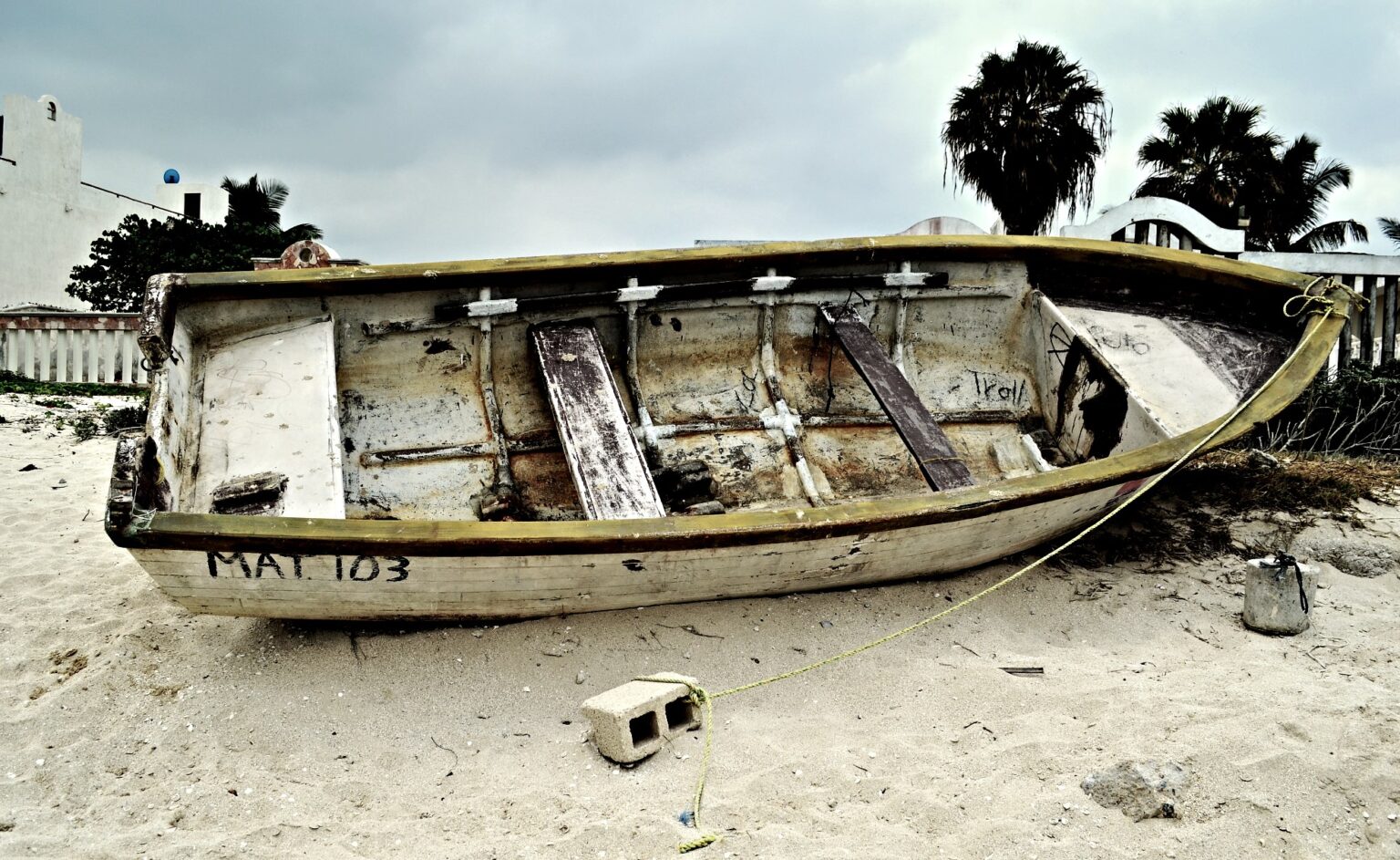
Hero photo: Fishing boat beached on the sand at Chelem, Yucatan by Marysol, CC BY-SA 2.0, via Wikimedia Commons.
Verified November 2026.
The one page brief carries this profile’s snapshot costs and rent, its healthcare frame and, where the profile states one, its advisory note, printed word for word.
No ratings yet. The average appears after 5 ratings, so one score cannot pose as a verdict. To rate this city profile, leave a comment below and pick your stars in the comment form. First comments are held for a quick moderation check before they appear.
Corrections and first-hand tips are welcome. Keep comments on topic and kind, and please do not share personal immigration case details here. Read the Comment Policy before posting.
Who’s behind the site
We are Paul and Adriana, and we run My Mexico Move together: Paul from the guides and the platform side, Adriana from Guanajuato, where she leads our partnerships and the ground work behind every profile.
Founder
Paul moved to Guanajuato in 2018 and founded My Mexico Move in 2021. He writes the guides and builds the city profiles, tools and member platform.

Partner
Adriana Vaca is Paul’s partner and leads partnerships and operations at My Mexico Move. Based in Guanajuato, she builds the relationships with the Mexican businesses in our directory, reviews our Spanish-language content so it reads the way it should, and runs the Mexico ground work our guides and city profiles depend on. A broadcaster by trade, she presented on Exa FM Irapuato and has worked as a commercial voice talent since 2017. Her studio, Voice con Vida, produces the audio across our sites.
Say hello any time, or write to us through the contact page.